What if five simple yoga poses could ease that bloated, tight-feeling belly in minutes?
You’re not imagining it—gentle compression and slow belly breaths can nudge trapped gas along and switch your body into rest-and-digest.
These moves work fast after a heavy meal, on a long flight, or when afternoon puffiness shows up.
In this post you’ll get quick, step-by-step poses, breath counts to follow, easy modifications for tender bellies, and simple tracking tips so you know what helps.
No long classes. Just short, practical relief.
Quick-Acting Poses That Provide Immediate Bloating Relief
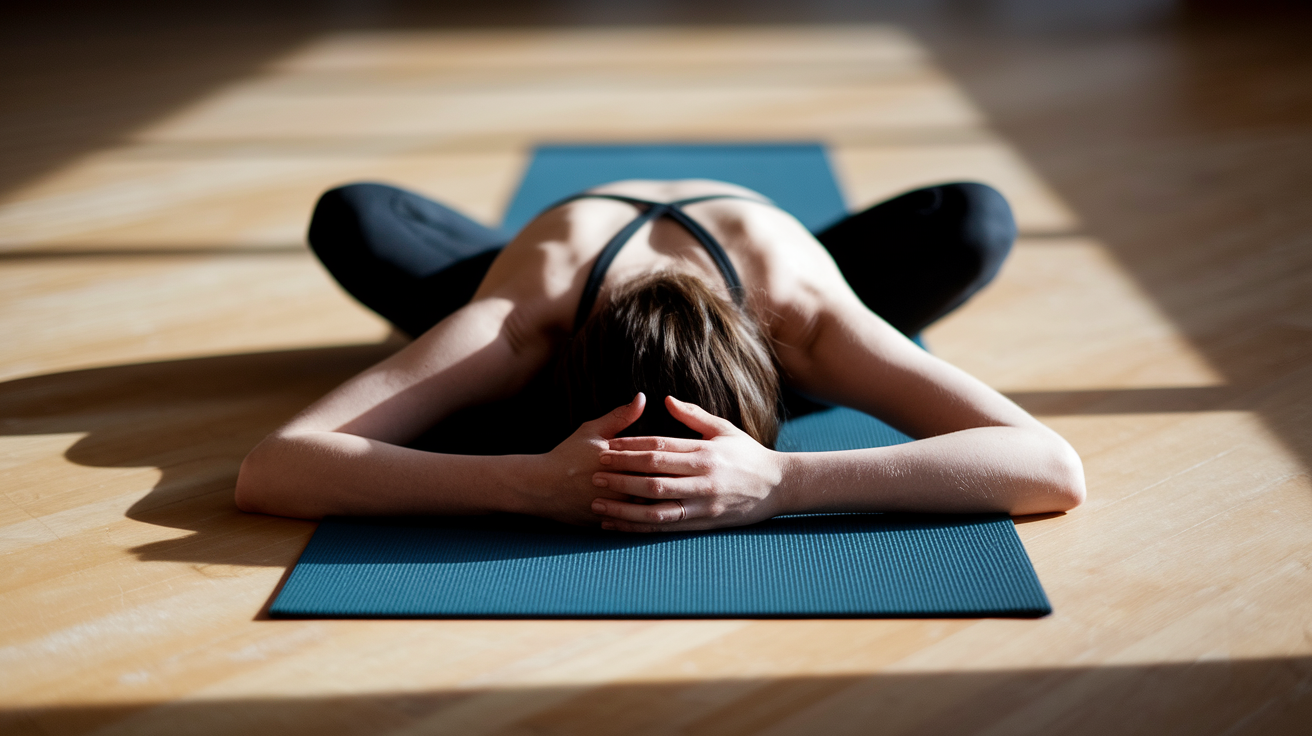
Compression poses work fast because they physically massage your intestines and colon, nudging trapped gas along. At the same time, deep breathing flips on your parasympathetic nervous system (your body’s “rest and digest” mode), which gets your gut moving and melts abdominal tension. Gentle pressure plus slow breaths can shift discomfort in minutes.
Try these right after a heavy meal, when you wake up puffy, or after a long flight when digestion stalls. They’re also helpful mid-afternoon when bloating sneaks in or before bed if gas won’t let you settle. You don’t need a full session. Just a few minutes on the floor.
Take five slow, deep breaths in each pose. Let your belly expand fully on the inhale and soften completely on the exhale.
Wind-Relieving Pose — the fastest option for moving trapped gas out of your lower belly and easing pressure.
Knee-to-Chest — gentle abdominal compression that works well for one-sided or localized bloating.
Happy Baby — releases your lower abdomen and hips while you gently rock side to side to massage the colon.
Abdominal Twist — lying on your back, this follows the path of your intestines to help gas move through.
Child’s Pose — soft forward fold that applies steady, soothing pressure to your belly and calms your nervous system.
Supine Leg Rocking — pull both knees into your chest and rock gently to stimulate digestion and ease cramps.
How Bloating Relief Yoga Poses Work Inside the Body
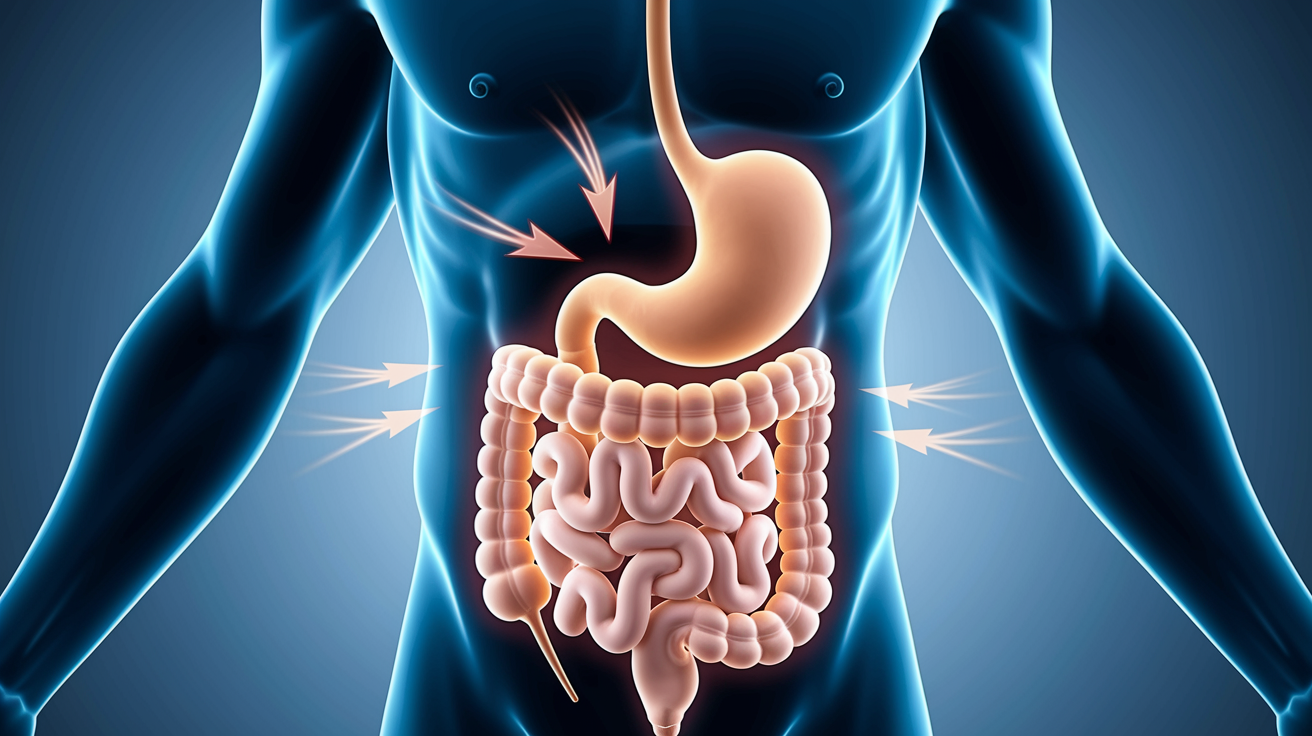
When you compress, twist, or fold your torso, you’re physically massaging the organs of digestion. Stomach, small intestine, colon. That gentle pressure helps move gas bubbles along and encourages peristalsis (the wave-like muscle contractions that push food and waste through your system). Twists are especially good when you follow the “clockwise rule,” starting with your right side first to mimic the natural flow through the ascending colon, across the transverse colon, and down the descending colon. Core engagement in backbends and standing poses improves circulation to the abdomen, which can reduce sluggishness and water retention.
Deep diaphragmatic breathing during these poses shifts your nervous system out of fight-or-flight and into rest-and-digest mode. That switch matters because stress and shallow breathing slow down gut motility and make bloating worse. A 2017 study of 412 people found that switching to a high-fiber diet increased bloating by 41 percent, largely because gut bacteria ferment fiber and produce gas. But over time the microbiome adapts. Separate research in people with IBS showed that yoga reduced stomach pain, discomfort, and bloating, likely through this combination of mechanical massage and nervous system calming.
| Pose Type | Digestive Effect |
|---|---|
| Compression | Moves trapped gas through the intestines |
| Twists | Follows the natural pathway of the bowel |
| Forward folds | Applies gentle abdominal pressure to ease bloating |
| Backbends | Improves circulation and encourages gut motility |
Step-by-Step Tutorials for the Most Effective Bloating Relief Yoga Poses
Wind-Relieving Pose
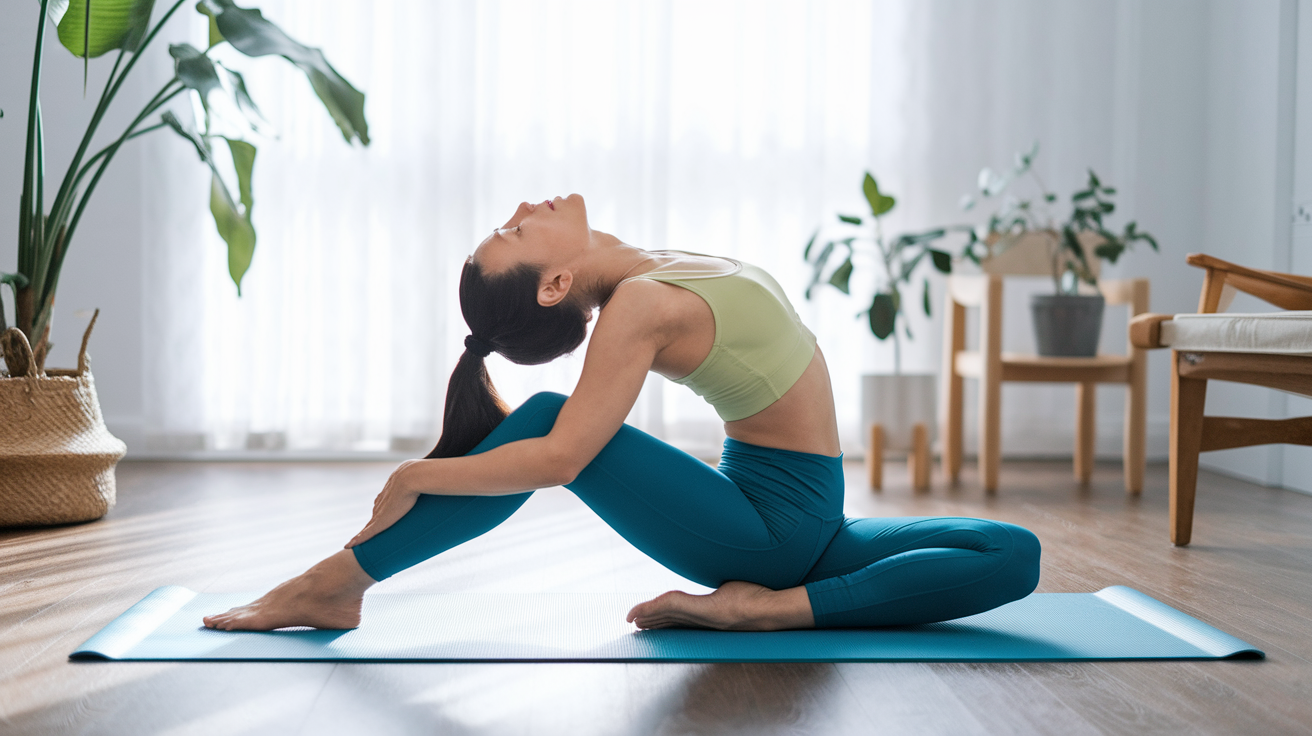
Lie flat on your back with your legs extended and arms at your sides. Bend both knees and hug them into your chest, holding your shins or kneecaps with your hands. Keep your lower back on the floor and breathe slowly into your belly for five deep breaths. Release your legs, rest for a moment, then repeat two more times. This pose is the single best immediate option for moving trapped gas.
- Lie supine, legs long, shoulders relaxed.
- Bend knees and draw them toward your chest, holding shins or knees.
- Breathe deeply for five counts, keeping your tailbone down.
- Release and repeat twice. You can also try rocking gently side to side.
Happy Baby
Start on your back with your knees bent and feet lifted toward the ceiling. Reach up and hold the outer edges of your feet, your shins, or loop a strap around the arches if your hamstrings are tight. Gently pull your knees toward your armpits, keeping your head and shoulders on the ground, and flex your feet upward. Hold for at least five breaths, or up to five minutes if it feels good. You can rock side to side to massage the lower belly and hips.
- Lie flat, bend knees, lift feet up.
- Grab outer feet, shins, or use a strap.
- Draw knees wide toward armpits, flex feet toward ceiling.
- Hold five breaths to five minutes. Optional gentle rocking.
Supine Abdominal Twist
Lie on your back with your legs extended and arms out to the sides in a T-shape. Bend your right knee and draw it into your chest, then guide it across your body to the left side, keeping both shoulders flat on the floor. Turn your head to look over your right hand. Hold for five to ten breaths, then bring your knee back to center and switch sides. This pose wrings out the abdomen and follows the natural path of digestion when you twist to the right first.
- Lie supine, arms in a T, legs long.
- Hug right knee in, then lower it across to the left.
- Keep shoulders grounded, gaze over right hand.
- Hold five to ten breaths. Repeat on the opposite side.
Cat–Cow Flow
Start on your hands and knees with your wrists under your shoulders and knees under your hips. Inhale and lift your head and tailbone, arching your back into Cow Pose. Exhale and round your spine, tucking your chin and drawing your navel toward your spine for Cat Pose. Move slowly between the two shapes for five to ten breath rounds, keeping your core engaged. This gentle flow mobilizes the spine and massages the digestive organs without compression.
- Begin in tabletop, wrists and knees aligned.
- Inhale to Cow. Lift head and tailbone, arch back.
- Exhale to Cat. Round spine, tuck chin, draw navel in.
- Flow through five to ten rounds, breathing steadily.
Seated Forward Fold
Sit on the floor with your legs extended straight in front of you. Inhale and reach your arms overhead, lengthening your spine. Exhale and hinge at the hips to fold forward over your thighs, letting your hands rest on your shins, ankles, or feet. Or loop a strap around the soles of your feet if your hamstrings are tight. Keep your spine long rather than rounding your back. Hold for several breaths, then inhale to come up and repeat twice more. Sitting on a folded blanket or bolster can make the pose easier and protect your lower back.
- Sit with legs extended, spine tall.
- Inhale arms up, exhale fold forward from hips.
- Use a strap around feet or sit on a bolster for support.
- Hold several breaths, repeat two more times.
Garland Pose
Stand with your feet slightly wider than hip-width and turn your toes out diagonally. Lower into a deep squat, bringing your hips down between your legs and your hands together at your chest in a prayer position. Press your elbows gently into your inner knees to open the hips. If your heels lift or your hips won’t drop, place a yoga block or a folded blanket under your sit bones for support. Hold for five breaths, then straighten your legs and repeat twice more. This pose combines compression with hip opening to encourage movement through the lower digestive tract.
- Stand feet wide, toes turned out.
- Squat deeply, hips between legs, palms at heart center.
- Press elbows into knees. Use a block under hips if needed.
- Hold five breaths, stand, and repeat twice.
A Beginner-Friendly Bloating Relief Yoga Sequence You Can Do Anywhere
Start with a gentle mobilization to wake up the spine and circulation, then move into compression poses that physically push trapped gas along, follow with a twist to guide gas through the natural digestive pathway, and finish in a resting pose that lets your nervous system settle into rest and digest mode. This five pose sequence takes about ten to fifteen minutes and works on the floor at home, in a hotel room, or even in a quiet corner at the office.
- Cat–Cow Flow, five to ten breath rounds
- Wind-Relieving Pose, five breaths, repeat three times
- Happy Baby, hold for five breaths or up to five minutes
- Supine Abdominal Twist, five to ten breaths per side
- Child’s Pose, hold for five to ten breaths
Breathing Techniques That Boost the Effectiveness of Bloating Relief Yoga Poses
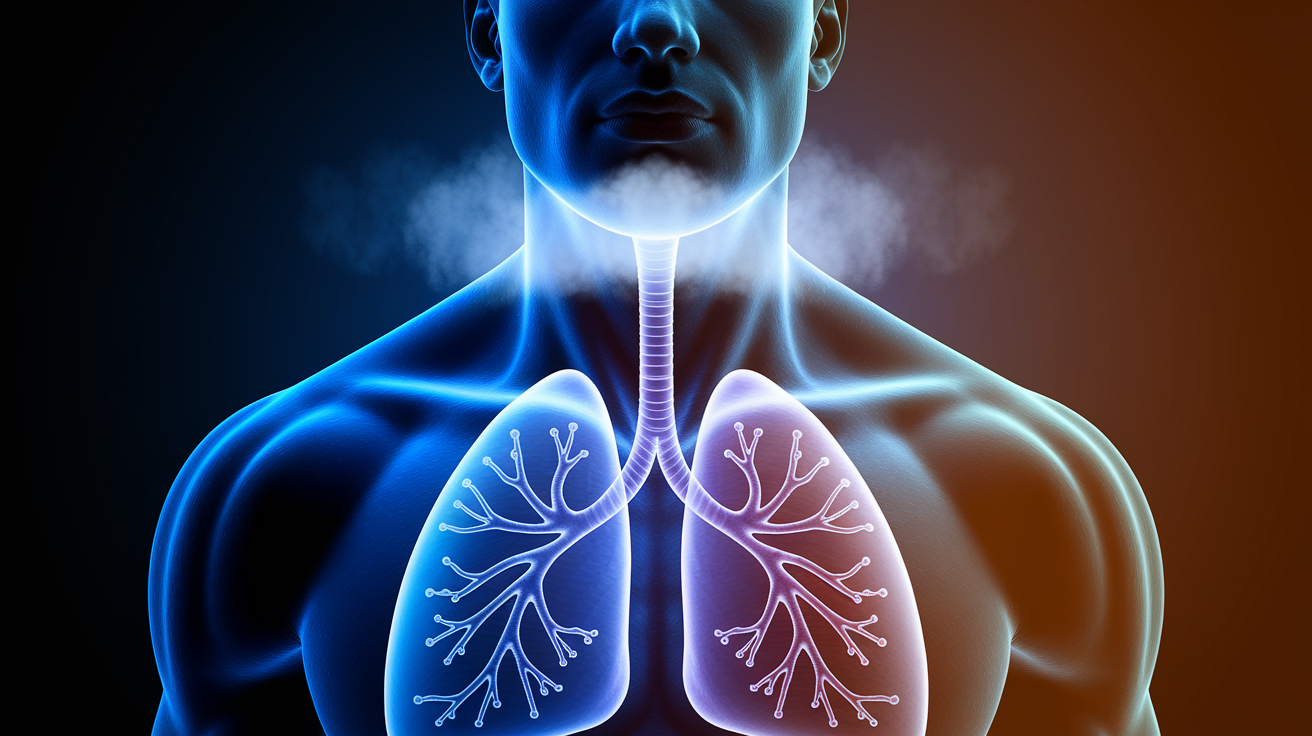
Slow, deep exhalations are the key to moving trapped gas because they gently compress the abdomen from the inside and signal the nervous system to relax. When you breathe into your belly instead of your chest, your diaphragm moves up and down like a soft massage for your intestines, helping gas bubbles shift and encouraging peristalsis. In twists and forward folds, exhale fully to deepen the compression without forcing the shape. Think of your breath doing the work, not your muscles.
Start with a guideline of five slow breaths per pose, inhaling for a count of four and exhaling for a count of five or six. Avoid holding your breath or doing forceful breath retention when you’re bloated or uncomfortable, since that can increase abdominal pressure and make gas pain worse. Keep the pace gentle and the rhythm steady, and let each exhale feel like a small release of tension.
Helpful Props and Modifications for Sensitive or Bloated Abdomens
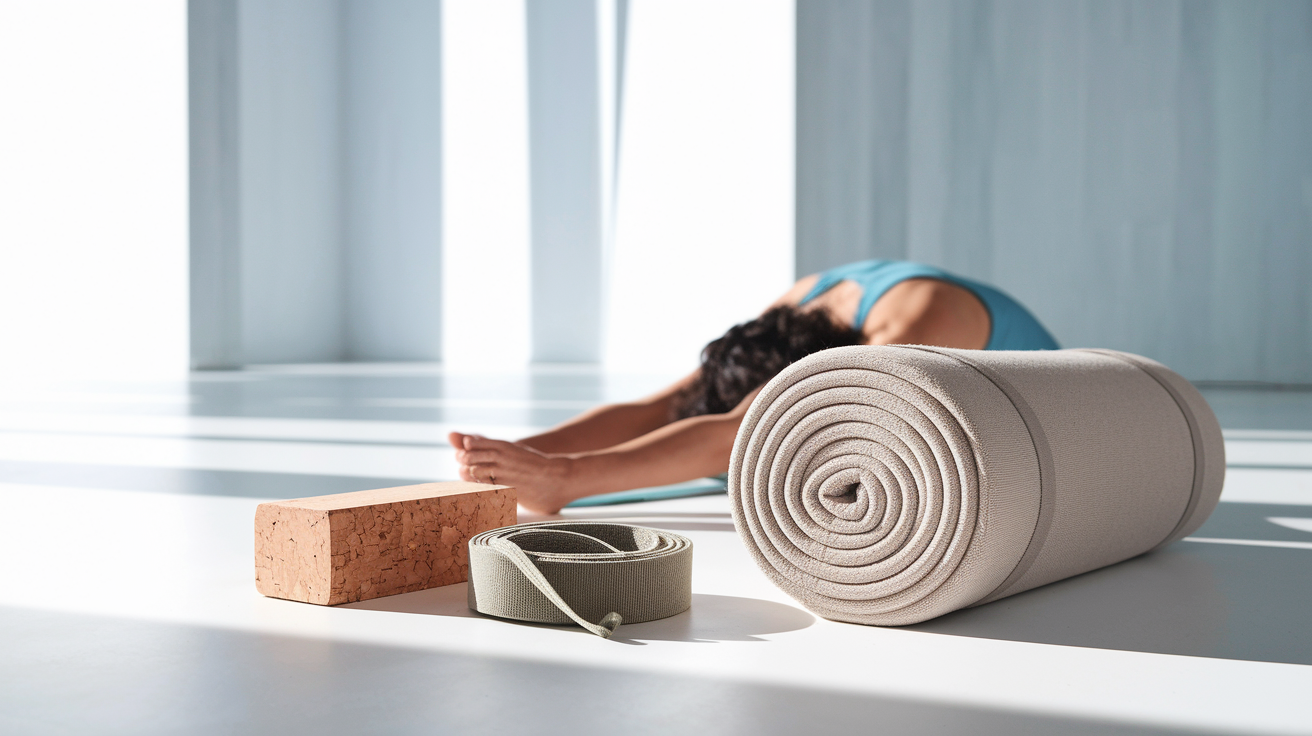
Props make poses more accessible and help you hold them longer without strain, which matters especially when your belly already feels tender or tight. A yoga block placed under your sit bones in Garland Pose lets you relax into the squat without tipping forward or lifting your heels. A strap looped around the soles of your feet in Seated Forward Fold allows you to keep your spine long even if tight hamstrings limit how far you can fold. A folded blanket or bolster under your torso in Child’s Pose lifts your chest and reduces abdominal pressure if full compression feels uncomfortable.
Block — under hips in Garland Pose to support a deep squat or under the forehead in Child’s Pose for comfort.
Strap — around feet in Seated Forward Fold or Happy Baby to extend your reach and protect your lower back.
Bolster or folded blanket — under the torso in Child’s Pose or under the sit bones in seated twists to lift the hips and lengthen the spine.
Pillow — under the head in supine poses or under the knees in Wind-Relieving Pose to reduce low back strain.
When Bloating Relief Yoga Poses Are Not Enough: Safety and Red Flags
Stop practicing and seek medical evaluation if you have severe abdominal pain, fever, vomiting, unexplained weight loss, or blood in your stool. Persistent bloating that doesn’t improve with gentle movement, diet adjustments, or over-the-counter remedies should be checked by a healthcare provider. It can signal conditions like IBS, SIBO, food intolerances, or other digestive disorders that need diagnosis and treatment. Never force a pose or push through sharp pain. Yoga should feel like gentle pressure, not stabbing or cramping.
If a pose causes sudden, intense discomfort or makes your bloating worse, stop immediately and rest in a neutral position like lying flat on your back with your knees bent. Listen to your body, move slowly, and remember that these poses are tools for mild to moderate gas and bloating, not substitutes for professional care when something more serious is going on.
Final Words
In the action, you learned fast compression poses that ease trapped gas, why twists and breathing help move things along, and clear tutorials plus a short sequence you can do anywhere.
You also got breath cues, helpful props, and safety signs to stop and seek care if things feel sharp or keep getting worse.
Try one short practice: five slow breaths in wind-relieving pose, and track what helps. These bloating relief yoga poses are simple, low-risk tools you can use after meals or when you wake up bloated. Small moves, real comfort ahead.
FAQ
Q: What yoga pose is best for bloating and how can I get unbloated in 5 minutes with yoga?
A: The best pose for bloating and a quick 5‑minute fix is Wind‑Relieving Pose (pawanmuktasana). It compresses the belly to move trapped gas—do 3–5 slow breaths and add a short twist.
Q: Is yoga good for high cholesterol?
A: Yoga can help high cholesterol by improving circulation, lowering stress, and supporting healthy weight; it’s a useful complement to diet and medication—check with your clinician before changing treatment.
Q: Which yoga is good for the thyroid?
A: Yoga that may help the thyroid includes gentle neck‑opening poses, supported backbends (like fish pose), and calming breath work; evidence is limited—avoid forcing the neck and consult your clinician.
Comments are closed