
Think anxiety comes out of nowhere? Usually it doesn’t.
It feels sudden because your brain’s threat alarm gets overly sensitive.
Tiny things, like a bad night’s sleep, too much coffee, a memory, or a drop in blood sugar, can flip the switch before you notice.
You’re not imagining it.
This post explains the hidden triggers, what to try right now, how to track patterns, and when to get medical help.
Understanding this makes episodes less frightening and more manageable.
Core Reasons Sudden Anxiety Appears Without Warning
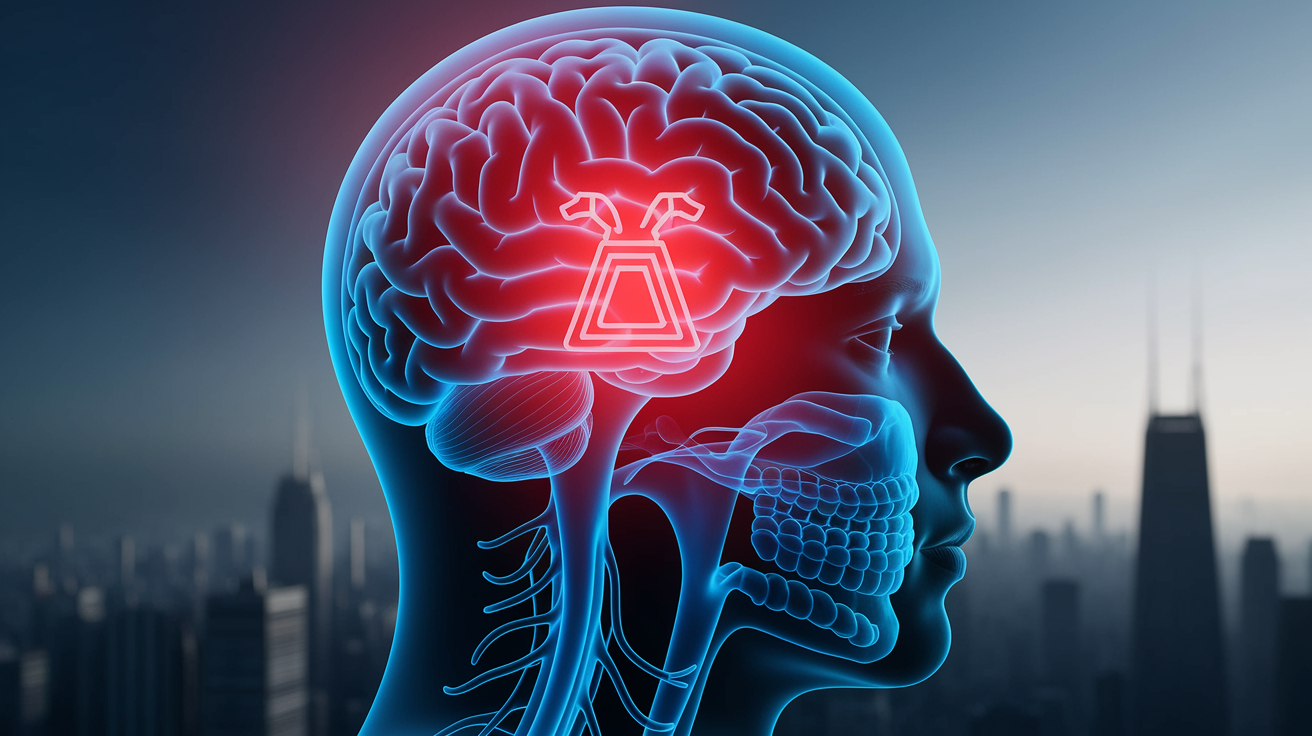
Sudden anxiety feels like it comes out of nowhere because your brain’s threat alarm is set way too sensitive. The amygdala treats everyday signals like emergencies. Chronic stress, unresolved worry, or just repeated activation can recalibrate the whole system over time. A slight heart rate bump, a random memory, even a tiny shift in breathing can flip the switch and launch a full alarm response that feels absurdly out of sync with what’s actually happening.
Stress signals can pile up without you noticing. Cortisol builds in your bloodstream when you’re managing deadlines, relationship friction, money stress, or bad sleep. Your nervous system quietly revs for hours or days before you feel anything wrong. Then some tiny thing tips it over. Or nothing at all. And the accumulated activation floods into awareness as a wave of symptoms: pounding heart, tight chest, lightheadedness, thoughts racing in from what feels like nowhere.
Most of the time, the trigger isn’t missing. It’s just invisible. Your brain scans for threats using subconscious pathways constantly. A smell, a tone, a location, the time of day. Any of these can fire up threat circuitry before you consciously register it. Fight or flight switches on before you know what set it off. The result is an anxiety episode that seems random but is actually the endpoint of a chain that started below the surface.
Physiological Mechanisms Behind Sudden Anxiety Episodes
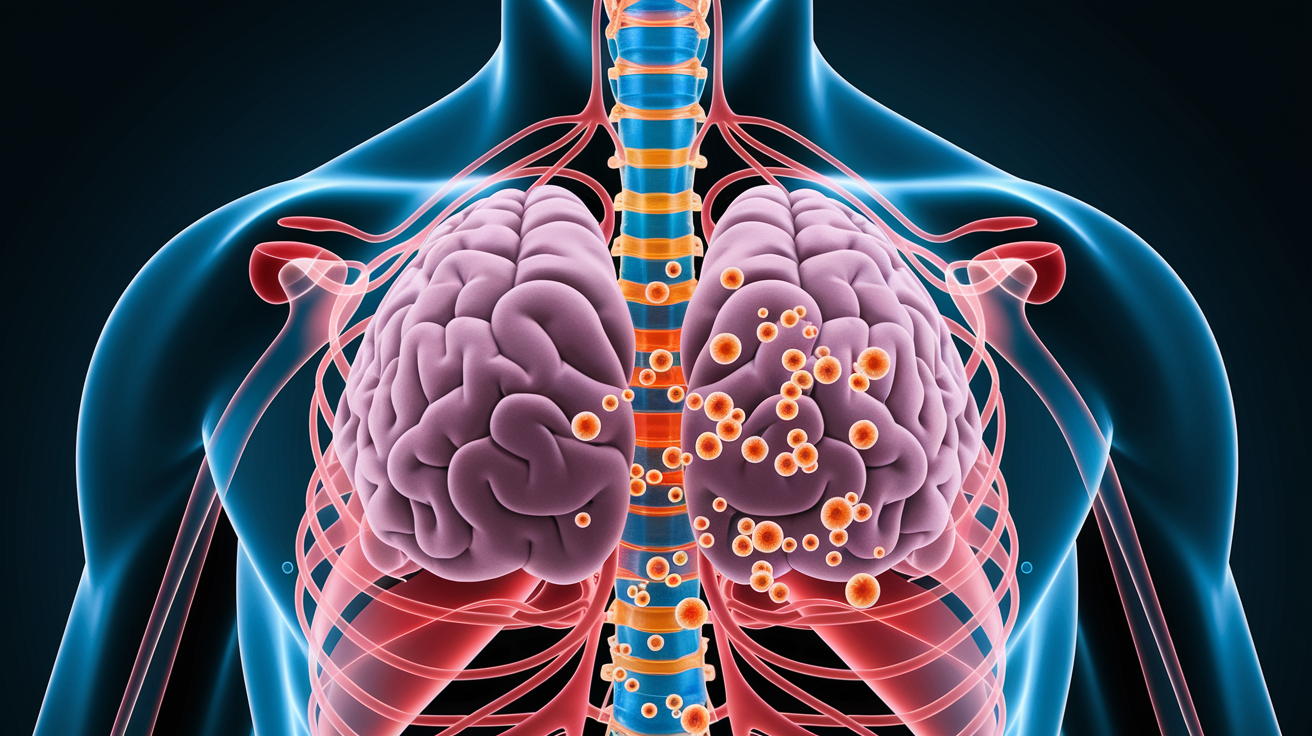
When your brain senses a threat (real or not), it fires up the sympathetic nervous system and dumps adrenaline and cortisol into your bloodstream. Adrenaline floods your system in seconds. Heart rate spikes, blood redirects to big muscle groups, alertness sharpens. Cortisol follows and keeps the stress response running for minutes to hours. This cascade is built for short bursts of physical action. But when it fires repeatedly or stays elevated from chronic stress, your baseline arousal climbs. A nervous system that’s already primed can misread minor internal shifts (blood sugar change, posture adjustment) as danger signals and launch another wave before your conscious mind catches up.
Neurotransmitter imbalances matter too. Serotonin and dopamine regulate mood stability, reward processing, and how you assess threats. When levels dip or swing unpredictably (from sleep disruption, hormonal changes, fatigue, prolonged stress), brain circuits lose their usual modulation. You end up with a nervous system that swings into high alert more easily and takes longer to settle. This internal instability can make sudden anxiety episodes more frequent and harder to predict.
During an anxiety spike, three rapid changes typically unfold:
- Heart rate jumps 20 to 40 beats per minute within seconds as adrenaline hits cardiac muscle.
- Breathing goes shallow and rapid, sometimes doubling or tripling respiratory rate and dropping carbon dioxide levels, which can cause dizziness and tingling.
- Blood flow shifts away from digestion toward large muscles, creating nausea, stomach tension, or a sinking gut sensation.
How Sudden Anxiety Feels: Symptom Patterns and Body Sensations

When anxiety hits suddenly, your body reacts like you’re in immediate physical danger. Your heart pounds or skips beats, palms slick with sweat, chest tightens like someone’s pressing down on your ribs. Breathing gets quick and shallow, sometimes triggering lightheadedness or a sense you can’t get enough air. Muscles tense across shoulders, neck, and jaw. Thoughts accelerate into loops of worst case scenarios or urgent half formed worries that won’t slow down.
These sensations reflect autonomic nervous system activation. The involuntary control center for heart rate, breathing, digestion, temperature regulation. Because the autonomic system operates automatically, you don’t have direct conscious control over the initial wave of symptoms. The body’s just following its programmed alarm sequence, and the intensity can feel overwhelming even when no external danger is present.
Common symptoms during a sudden anxiety episode include:
- Pounding heart or palpitations (feeling your heart skip, flutter, or race)
- Shortness of breath or sensation of not being able to catch your breath
- Chest tightness or pressure that can mimic cardiac distress
- Dizziness, lightheadedness, or sense the room is spinning
- Unexplained sweating, cold and clammy, especially on palms and forehead
- Trembling or muscle tension, particularly in hands, legs, shoulders
Sudden Anxiety vs Panic Attacks: Knowing the Difference
The terms “sudden anxiety” and “panic attack” get used interchangeably, but they describe overlapping yet distinct experiences. Both involve rapid onset of physical and emotional symptoms. But the intensity, duration, and subjective sense of threat differ in ways that matter for understanding what’s happening and what to do next.
What Defines a Panic Attack
A panic attack is a discrete episode of intense fear or discomfort that peaks within minutes and includes a cluster of severe physical symptoms. The hallmark is the abrupt surge: heart pounding, difficulty breathing, sweating, trembling, chest pain, nausea, dizziness, and a powerful sense of losing control or impending doom. Many people describe it as feeling like a heart attack or as if they’re about to die. The fear itself amplifies the physical response, creating a feedback loop that makes the episode feel unbearable. Panic attacks typically last 5 to 20 minutes, though the aftereffects (fatigue, lingering unease) can persist for hours.
What Defines a Sudden Anxiety Burst
A sudden anxiety burst shares many of the same physical symptoms but may arrive with less dramatic intensity and a broader range of triggers. The onset can still feel abrupt, but the fear component is often less about imminent catastrophe and more about a general sense of dread, restlessness, or internal pressure. Racing thoughts, muscle tension, and worry spirals are more prominent than the overwhelming terror typical of panic. These bursts may last a few minutes or stretch into longer periods of heightened agitation. They’re more likely to be driven by accumulated stress, subconscious cues, or internal nervous system shifts rather than a single triggering event.
Key differences include:
- Panic attacks: intense, rapid peak, overwhelming fear, sense of losing control
- Sudden anxiety: variable intensity, often worry focused, may build more gradually even when it feels abrupt
- Panic attacks: typically shorter (5 to 20 minutes), with a clear rise and fall
- Sudden anxiety: duration can vary, sometimes lingering as a heightened state for hours
Common Triggers and Underlying Causes of Sudden Anxiety

Sudden anxiety rarely appears in a true vacuum. Most episodes are the downstream result of one or more contributors (some obvious, many overlooked) that lower your nervous system’s threshold for activation. Major life stressors like job loss, a death in the family, or a relationship rupture are common catalysts. But equally powerful are the everyday, chronic pressures that accumulate over weeks or months: financial strain, workplace conflict, caregiving demands, ongoing health concerns. When stress builds without sufficient recovery time, your baseline arousal climbs, and smaller triggers begin to provoke larger responses.
Unresolved trauma and post traumatic stress patterns are frequent but often unrecognized contributors. Trauma can leave the nervous system primed to react to reminders (conscious or subconscious) of past threat. A smell, a sound, a specific location, even a tone of voice can activate the body’s alarm system before you consciously register the connection. Similarly, chronic pain, lingering illness, or medication side effects can create persistent internal discomfort that keeps the threat detection system on alert, making sudden anxiety episodes more likely.
Lifestyle factors also play a major role. Sleep deprivation disrupts emotional regulation and lowers resilience to stress. High caffeine intake (especially on an empty stomach or in people who metabolize it slowly) can trigger jitteriness, elevated heart rate, and adrenaline like sensations that mimic or amplify anxiety. Hormonal fluctuations during the menstrual cycle, perimenopause, or thyroid imbalance can destabilize mood and nervous system reactivity. Even subtle shifts in blood sugar, hydration status, or breathing patterns can tip a sensitized system into an anxiety spike.
| Trigger Type | Example | Why It Matters |
|---|---|---|
| Acute life stressor | Job loss, relationship breakup, sudden illness | Overwhelms coping capacity and activates prolonged stress response |
| Chronic low level stress | Ongoing financial worry, caregiving demands, workplace tension | Accumulates over time, raising baseline arousal and lowering threshold for spikes |
| Sleep disruption | Insomnia, shift work, fragmented sleep from stress or pain | Impairs emotional regulation and increases nervous system reactivity |
| Stimulant or substance use | High caffeine intake, nicotine, certain medications, alcohol withdrawal | Directly activates or mimics adrenaline response, triggering physical anxiety symptoms |
| Subconscious trauma cue | Smell, place, tone of voice, time of day linked to past threat | Activates threat circuitry below conscious awareness, producing “out of nowhere” anxiety |
Immediate Ways to Get Sudden Anxiety Under Control
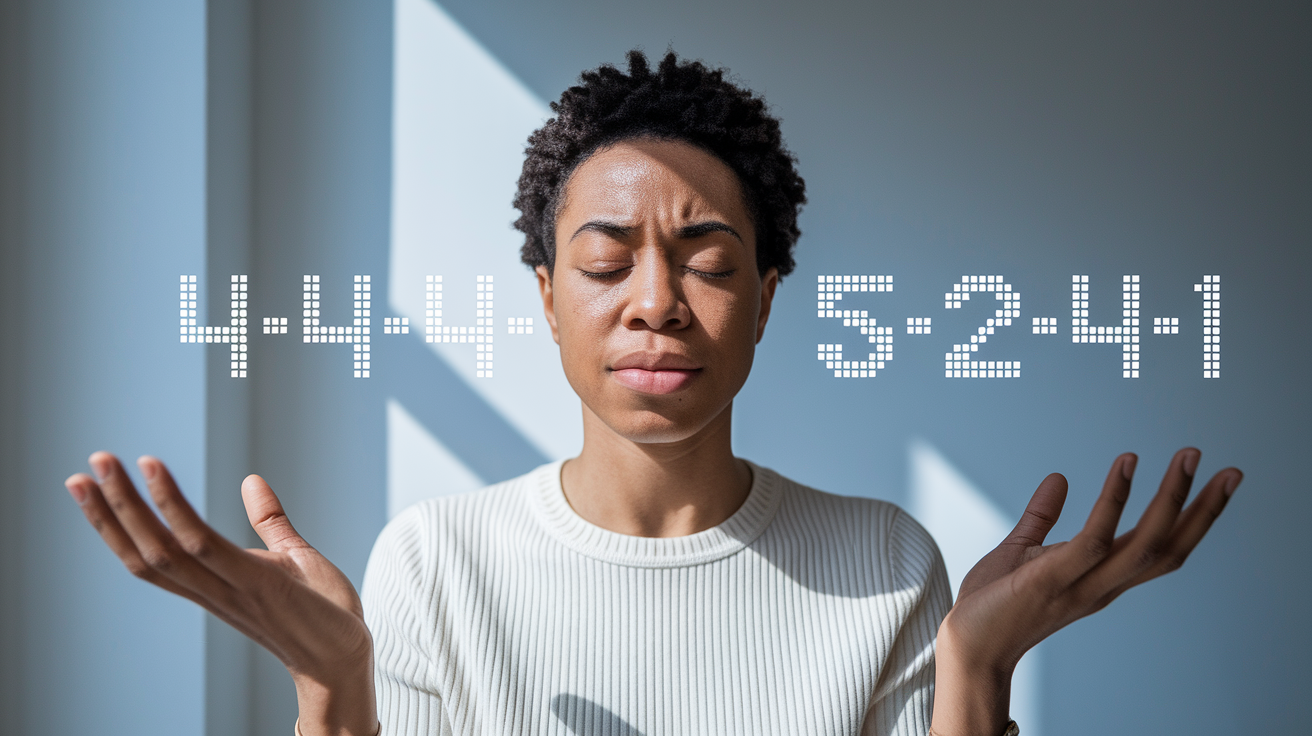
When anxiety hits suddenly, the fastest way to interrupt escalation is to engage the parasympathetic nervous system. The branch responsible for calming the body back down. These techniques work by shifting your attention, slowing your breathing, and signaling to your brain that you’re safe. None require special equipment, and most can be done in under two minutes.
Start with deep breathing to slow your heart rate and restore normal carbon dioxide levels. Inhale slowly through your nose for four seconds, filling your belly, then exhale through your mouth for four seconds. Repeat this cycle 5 to 10 times or until you notice your heart rate beginning to drop. This simple pattern can reduce symptoms within 30 to 60 seconds.
When your thoughts are racing or you feel disconnected from your surroundings, use the 5-4-3-2-1 grounding technique to anchor your attention in the present. Name five things you can see, four things you can touch, three things you can hear, two things you can smell, and one thing you can taste. This sensory inventory takes about 60 to 90 seconds and interrupts the worry spiral by redirecting your focus outward.
Six effective immediate strategies include:
- Box breathing: Inhale for 4 seconds, hold for 4 seconds, exhale for 4 seconds, hold for 4 seconds, and repeat. Typically calms the body within 1 to 2 minutes.
- 5-4-3-2-1 grounding: Name sensory details in your environment. Takes 60 to 90 seconds and redirects attention away from internal alarm signals.
- Progressive muscle relaxation: Tense and release muscle groups from toes to head. A quick version focusing on shoulders, jaw, and hands can work within 2 to 3 minutes.
- Cold water on the face or wrists: Activates the dive reflex, slowing heart rate. 20 to 30 seconds of cold water can produce noticeable calming.
- Brief movement: Walk slowly, stretch, or do gentle jumping jacks for 1 to 2 minutes to metabolize adrenaline and shift focus.
- Listening to calming music: Steady rhythms and lower tempos can reduce cortisol. Noticeable effect often begins within 3 to 5 minutes.
Lifestyle Factors That Can Make Sudden Anxiety More Frequent

Even when anxiety feels random, certain everyday habits and patterns can lower your nervous system’s resilience and make spikes more common. Sleep disruption is one of the most powerful contributors. Chronic short sleep, fragmented rest, or irregular sleep schedules impair the brain’s ability to regulate emotion and stress, leaving you more reactive to minor triggers. Similarly, high caffeine intake (especially multiple cups in quick succession or caffeine consumed late in the day) can mimic the physical sensations of anxiety and keep your baseline arousal elevated for hours.
Low physical activity also plays a role. Regular movement helps metabolize stress hormones and supports parasympathetic recovery, while a sedentary routine allows cortisol and adrenaline to linger in the system. Poor nutrition (skipping meals, eating mostly processed foods, letting blood sugar swing wildly) can destabilize mood and energy, creating internal volatility that makes anxiety more likely. Monitoring these patterns over a week or two often reveals hidden contributors that feel invisible in the moment.
Four modifiable factors to track and adjust include:
- Sleep consistency: Aim for 7 to 9 hours at roughly the same time each night. Irregular sleep is a common hidden driver of frequent anxiety.
- Caffeine timing and dose: Consider cutting intake after noon and capping total consumption at 200 to 300 mg per day (roughly 2 cups of coffee).
- Daily movement: Even 10 to 15 minutes of walking or stretching can help regulate the nervous system and reduce spike frequency.
- Meal timing and balance: Eating protein and fiber at regular intervals keeps blood sugar stable and reduces internal stress signals.
Long Term Strategies for Reducing Sudden Anxiety Episodes
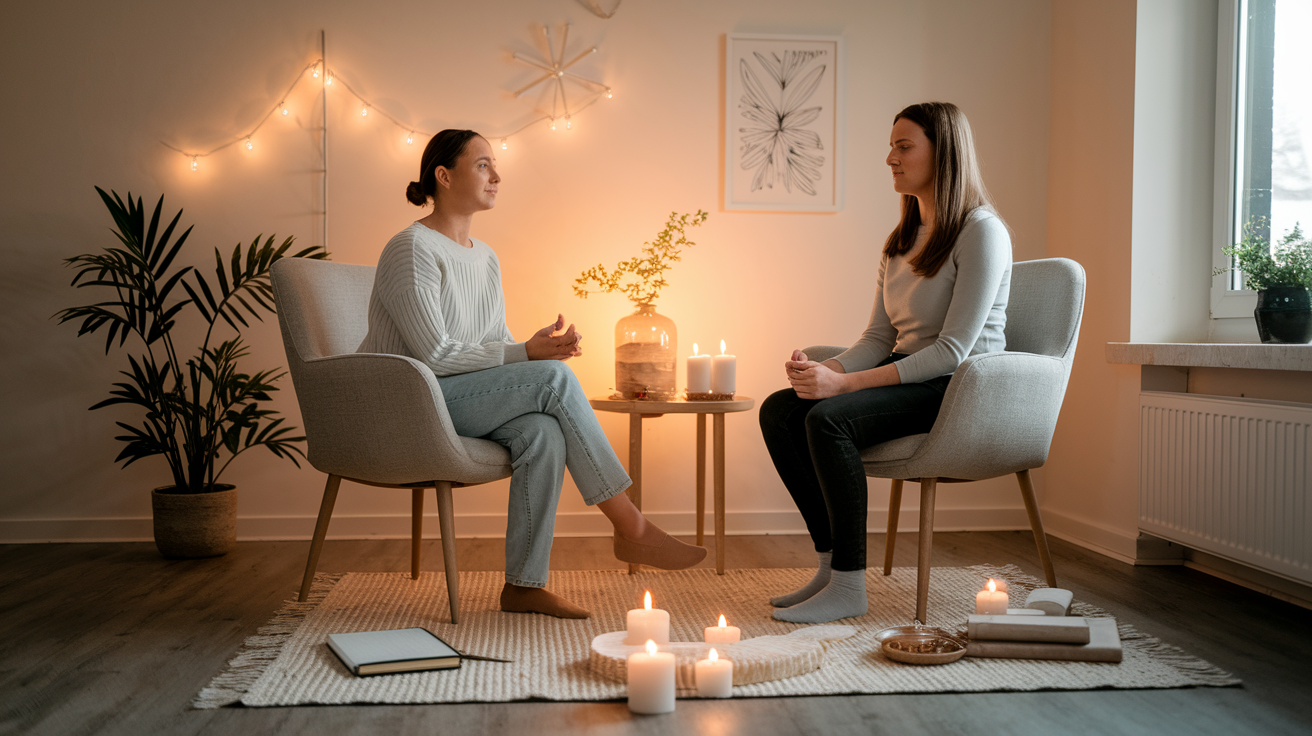
Short term coping techniques can interrupt an anxiety spike, but long term strategies address the underlying patterns that make episodes frequent or severe. Building a foundation of sustainable practices (therapy, skill training, lifestyle consistency) can lower your baseline arousal, improve stress resilience, and reduce the frequency of sudden spikes over weeks to months.
Therapy and Skills Training
Cognitive behavioral therapy (CBT) is the most widely studied intervention for anxiety and focuses on identifying and reshaping the thought patterns that amplify fear and maintain high alert states. CBT teaches practical skills for challenging catastrophic thinking, tolerating uncertainty, and responding differently to physical sensations. Mindfulness based approaches train you to observe thoughts and body sensations without reacting to them, which can reduce the intensity and duration of anxiety episodes. Exposure therapy, often used for specific phobias or trauma related anxiety, involves gradually facing feared situations in a controlled way to retrain the brain’s threat response. Many people benefit from a combination of these methods, often delivered in weekly sessions over 8 to 16 weeks.
Lifestyle Foundations
Sleep consistency is one of the most powerful long term tools for regulating anxiety. Keeping a regular sleep and wake time (even on weekends) helps stabilize mood, improve emotional regulation, and lower nervous system reactivity. Regular physical activity, especially aerobic exercise like walking, jogging, or cycling for 20 to 30 minutes most days, supports parasympathetic recovery and reduces chronic stress hormone levels. Nutrition basics matter too: eating balanced meals with protein, healthy fats, and fiber at consistent intervals keeps blood sugar stable and reduces internal volatility. Reducing or eliminating caffeine and alcohol (both of which can destabilize mood and sleep) often produces noticeable improvements within one to two weeks.
When Sudden Anxiety Signals Something Serious
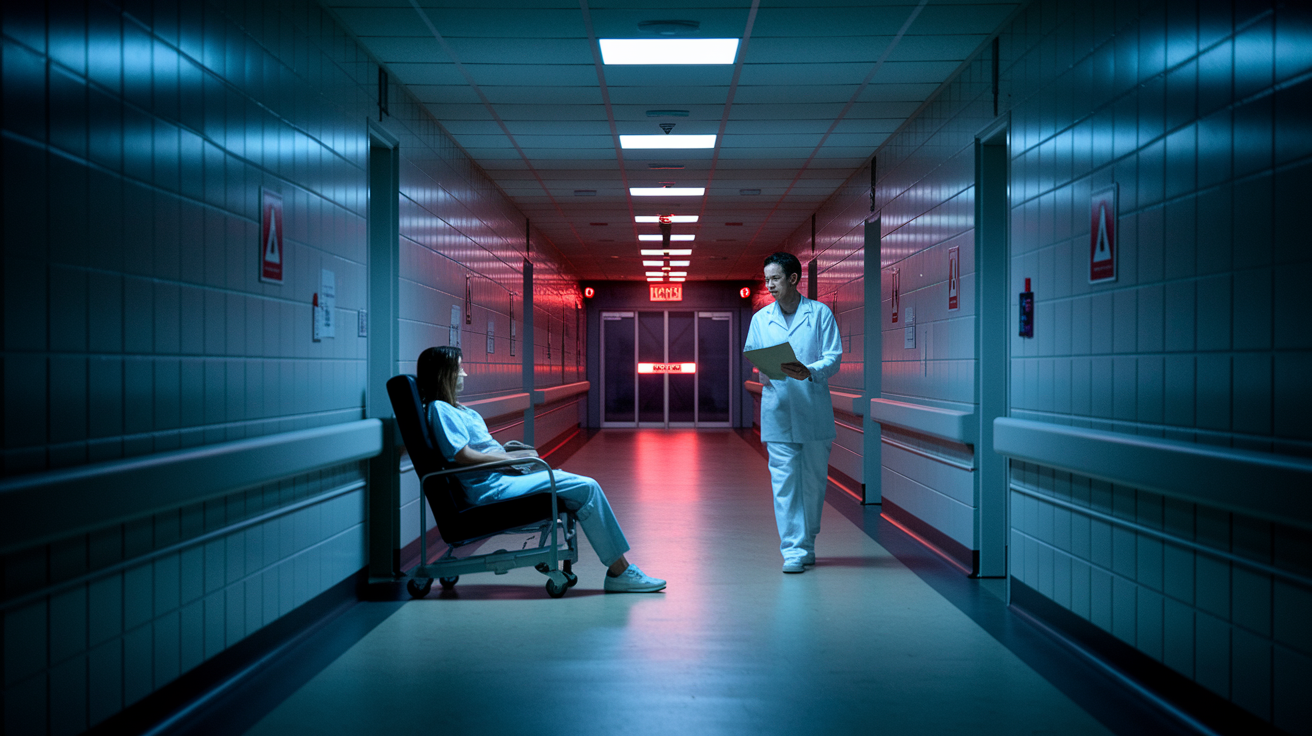
Most sudden anxiety episodes are uncomfortable but not medically dangerous. However, certain patterns and warning signs suggest the need for professional evaluation. If episodes are becoming more frequent, lasting longer, or growing more intense over weeks to months, that progression warrants a closer look. Similarly, if self help strategies (breathing exercises, grounding techniques, lifestyle adjustments) consistently fail to reduce the intensity or duration of symptoms, it’s time to consult a clinician who can assess for underlying medical or mental health conditions.
Sudden anxiety that interferes with daily functioning (making it difficult to work, maintain relationships, or complete routine tasks) should prompt a professional conversation. A healthcare provider can evaluate for cardiac, respiratory, thyroid, or neurological causes that can mimic or trigger anxiety symptoms, as well as assess for anxiety disorders, panic disorder, post traumatic stress disorder, or mood disorders that require targeted treatment. Many conditions are highly treatable with therapy, medication, or both, and early intervention often prevents escalation.
Four red flags that suggest urgent or immediate care include:
- Episodes accompanied by chest pain, severe shortness of breath, or fainting, especially if you have risk factors for heart or lung disease
- Sudden anxiety paired with thoughts of self harm, suicide, or harming others. Seek emergency care or call a crisis line immediately.
- Symptoms that don’t improve at all despite consistent use of calming techniques over several days
- Anxiety that worsens rapidly and begins to dominate most of your waking hours, making it impossible to function normally
Final Words
When sudden anxiety hits, it can feel like your body flips a switch—heart racing, dizzy, short of breath, or jittery.
This post showed how an oversensitive threat system, fast internal stress signals, and subconscious cues create those abrupt symptoms. It covered the body’s response, common triggers, how sudden anxiety differs from panic, quick calming steps, lifestyle fixes, and when to seek help.
If you’re asking “why does anxiety come on suddenly,” tracking patterns and trying a few low-risk steps can cut down spikes and help you feel more in control.
FAQ
Q: How to stop anxiety flare up?
A: Stopping an anxiety flare-up starts with quick grounding and breathing: slow 4 second inhales and exhales, a 5-4-3-2-1 grounding, sip water, loosen tight clothes, and walk gently—seek help if it worsens.
Q: Why did I suddenly get anxiety out of nowhere?
A: Sudden anxiety out of nowhere usually comes from an oversensitive threat detector and fast internal stress signals—adrenaline, hormone shifts, low blood sugar, caffeine, or fatigue can trigger symptoms without an obvious outside cause.
Q: What are the symptoms of an anxiety attack afterwards?
A: Symptoms after an anxiety attack include lingering heart racing, shakiness, sweating, muscle tension, tiredness, trouble concentrating, replaying the episode, and sleep trouble; these often ease with rest and calming steps.
Q: Why does anxiety go away and come back?
A: Anxiety goes away and comes back because the nervous system downshifts, then reactivates with new stressors, hormones, stimulants, or sleep loss; tracking timing and triggers helps identify patterns and next steps.
Comments are closed