Did your heart suddenly race after that coffee?
It’s more common than you think.
Caffeine can push your nervous system into overdrive, and that jittery rush can feel like panic.
This post gives eight simple, low-risk steps you can try right now — hydration, breathing, a quick walk, and other clear moves that often bring relief in 30 to 60 minutes.
You’ll also get what to track and when to seek medical help, so you can feel calmer and more prepared next time.
Immediate Steps to Calm Sudden Anxiety After Caffeine
Caffeine blocks adenosine receptors in your brain and floods your system with stress hormones. Your nervous system reads this as overstimulation. When that tips into anxiety, you need quick, practical steps to bring your body back down.
Most caffeine anxiety is temporary and responds well to simple actions you can take right now.
Here are eight immediate steps:
-
Drink water. Start with one or two full glasses in the first 10 minutes. Water dilutes caffeine in your bloodstream and helps your kidneys flush it out faster. If drinking quickly feels uncomfortable, take small sips every few minutes.
-
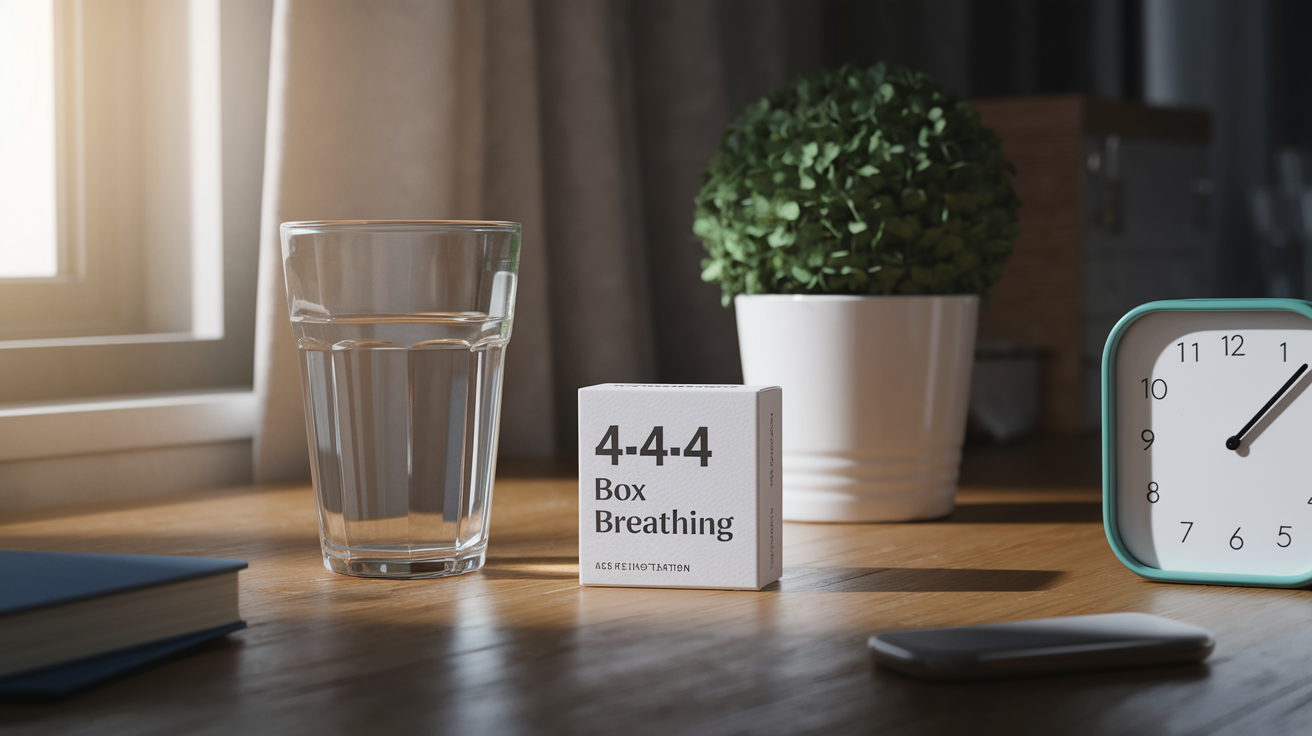
Practice box breathing. Inhale through your nose for 4 counts, hold for 4, exhale through your mouth for 4, pause for 4. Repeat this 5 to 10 times. It activates your parasympathetic nervous system and slows your heart rate.
-
Eat a small protein or fiber snack. A handful of nuts, whole grain toast with nut butter, or a piece of cheese stabilizes blood sugar and slows caffeine absorption. Skip sugary snacks. They’ll make the jitters worse.
-
Take a gentle 10 to 20 minute walk. Light movement burns off excess adrenaline and helps your body process caffeine faster. Stretching, slow yoga poses, or pacing around your living room works if you can’t go outside.
-
Stop all caffeine intake immediately. No more coffee, tea, energy drinks, chocolate, or pain relievers with caffeine (like Excedrin or Midol) until symptoms fully clear.
-
Sip caffeine-free herbal tea. Chamomile, peppermint, or rooibos offers a calming ritual without adding stimulation.
-
Use a grounding technique. Press your feet flat on the floor. Notice five things you can see, four you can touch, three you can hear, two you can smell, one you can taste. This pulls your mind out of the panic loop and anchors you in the present.
-
Rest in a quiet, dark space. If you can’t sleep, lying down in a low-stimulation environment gives your nervous system permission to downshift.
Most people feel noticeable relief within 30 to 60 minutes. Typical caffeine anxiety symptoms last 3 to 5 hours as your body processes the stimulant. Some individuals feel residual effects for up to 12 hours depending on metabolism, age, and liver function.
Why Caffeine Triggers Anxiety and Jitters
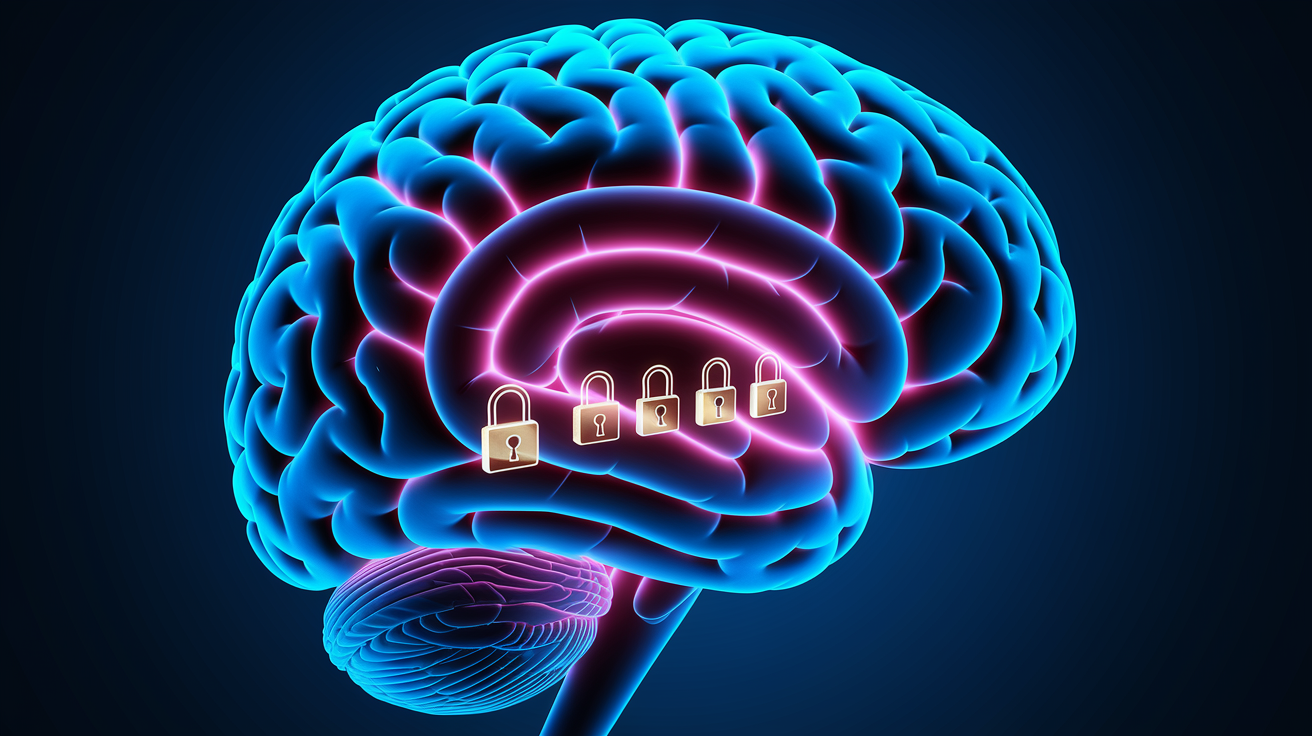
Caffeine blocks adenosine receptors in your brain, particularly the A1 and A2A subtypes. Adenosine is a neurotransmitter that promotes relaxation and sleepiness. When caffeine blocks those receptors, your brain interprets the situation as “time to stay alert” and triggers dopamine and norepinephrine release. These neurotransmitters ramp up your heart rate, increase energy metabolism, and reduce cerebral blood flow. The result? A central nervous system on high alert, often tipping into overstimulation.
Caffeine also stimulates your adrenal glands to release cortisol and adrenaline. Same hormones that fuel your fight-or-flight response. For some people, this mimics what a panic attack feels like: racing heart, sweating, trembling hands, rapid breathing. Your brain can misread these physical signals as danger, creating a feedback loop where the jittery feeling amplifies anxious thoughts, which amplify the physical symptoms.
How Individual Sensitivity Changes Response
Sensitivity to caffeine varies widely. Age plays a role. Caffeine metabolism slows as you get older. Liver function affects how quickly you break down caffeine. Certain medications slow caffeine clearance and intensify side effects. Some antidepressants like fluvoxamine, some antibiotics like ciprofloxacin.
Genetics matter too. Variations in adenosine receptor genes determine how sensitive your brain is to caffeine’s blocking effects. People with generalized anxiety disorder or panic disorder are more likely to experience anxiety from caffeine, even at moderate doses.
For reference, an 8 ounce cup of brewed coffee contains about 95 milligrams of caffeine. A 1 ounce shot of espresso has roughly 64 milligrams. High caffeine intake (400 milligrams or more per day) significantly increases anxiety risk for sensitive individuals.
Recognizing Caffeine-Triggered Anxiety Symptoms

Caffeine anxiety can feel nearly identical to a panic attack. That makes it hard to recognize the trigger if you’re not tracking your intake closely.
Common symptoms:
- Shaky or trembling hands. Fine motor tremors that make it hard to hold a pen or cup steady.
- Nervousness or racing thoughts. A wired, on-edge feeling with mental chatter that won’t slow down.
- Heart palpitations or racing heart. The sensation that your heart is pounding, skipping beats, or fluttering in your chest.
- Sweating. Clammy palms, sudden warmth, or sweating without exertion.
- Upset stomach. Nausea, queasiness, cramping, or diarrhea.
- Insomnia or restlessness. Can’t sit still, feeling like you need to move or do something.
- Irritability or short temper. Snapping at people, feeling impatient or easily frustrated.
- Dizziness or lightheadedness. A floaty or unsteady sensation.
- Muscle tension. Tight jaw, clenched fists, tense shoulders, or feeling physically wound up.
These physical sensations can trigger a panic cycle, especially if you have a history of anxiety. Your brain interprets the racing heart and shallow breathing as evidence of danger, which ramps up the stress response even further. Many people describe it as feeling like something is seriously wrong, even though the root cause is temporary overstimulation.
If you’re unsure whether caffeine is the culprit, consider timing. Caffeine anxiety typically peaks 30 to 60 minutes after consumption and can linger for several hours. If symptoms started shortly after your morning coffee or an energy drink, caffeine is a likely trigger.
How Long Caffeine Anxiety Lasts and What Affects Duration

Caffeine’s half life is about 5 hours. It takes roughly 5 hours for your body to clear half the caffeine you consumed. For most people, noticeable jitteriness and anxiety symptoms last 3 to 5 hours after intake. Some individuals, particularly those with slower metabolism, may feel residual effects for up to 12 hours.
| Factor | Description |
|---|---|
| Half-Life | Approximately 5 hours in healthy adults. If you consumed 200 milligrams of caffeine at 8:00 a.m., about 100 milligrams remain in your system at 1:00 p.m. |
| Expected Symptoms | Peak anxiety and jittery sensations typically occur 30 to 60 minutes after consumption and last 3 to 5 hours. Physical restlessness, racing thoughts, and heart palpitations are most intense during this window. |
| Factors That Slow Clearance | Advanced age, liver disease, pregnancy, oral contraceptives, certain medications (antidepressants, antibiotics), and genetic variations in liver enzymes all slow caffeine metabolism and extend symptom duration. |
If your symptoms persist well beyond the 5 hour mark or feel unusually severe, consider whether other factors are at play. Dehydration, low blood sugar, lack of sleep, or an underlying anxiety disorder can all amplify and prolong caffeine’s effects. Interactions with medications or supplements can also extend the timeline.
Food, Hydration, and Herbal Options to Ease Caffeine Anxiety
What you eat and drink after a caffeine spike directly influences how quickly your body clears the stimulant and how stable you feel during the process. Hydration speeds up caffeine metabolism by supporting kidney function, which filters and excretes caffeine through urine. Dehydration slows this process and worsens symptoms like headache, dizziness, and irritability.
Here are foods, drinks, and nutrients that help stabilize your system:
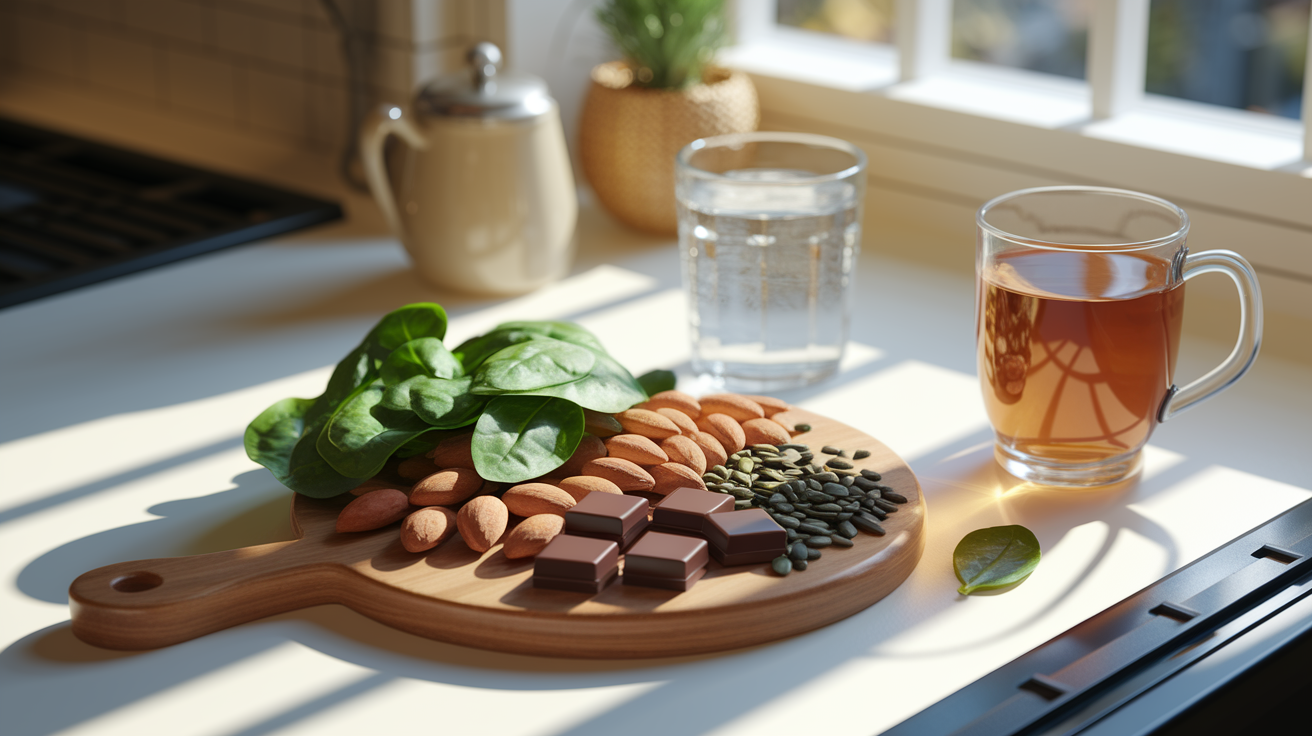
- Magnesium-rich foods. Leafy greens (spinach, kale), almonds, cashews, pumpkin seeds, and dark chocolate (in moderation) help calm the nervous system. Magnesium supports the parasympathetic nervous system and reduces muscle tension.
- Complex carbohydrates. Whole grains, oatmeal, sweet potatoes, and brown rice provide steady glucose release, which prevents blood sugar crashes that worsen anxiety.
- Protein-rich snacks. Greek yogurt, hard-boiled eggs, turkey slices, or a protein shake slow caffeine absorption if you’re still digesting, and help stabilize mood by supporting neurotransmitter production.
- Electrolyte-enhanced water. Adding a pinch of sea salt, a squeeze of lemon, or a low-sugar electrolyte powder to your water helps restore balance if you’re sweating or urinating frequently due to caffeine’s diuretic effect.
- Omega-3 sources. Fatty fish (salmon, sardines), flaxseeds, chia seeds, and walnuts support calm nervous system function over time and may reduce baseline anxiety.
- Chamomile, peppermint, or rooibos herbal tea. These caffeine-free teas contain natural compounds (like apigenin in chamomile) that have mild calming effects on the central nervous system.
Hydration works because caffeine is water-soluble and eliminated primarily through the kidneys. Drinking water increases urine production, which helps flush caffeine from your system faster. Aim for at least 16 to 24 ounces of water in the first hour after symptoms start, then continue sipping small amounts throughout the day. The general guideline is eight 8 ounce glasses per day (about 2 liters) to support overall clearance.
Magnesium and B vitamins (found in leafy greens, nuts, seeds, and whole grains) also modulate your body’s stress response by supporting neurotransmitter production and regulating cortisol levels. These nutrients won’t provide instant relief, but they create a more resilient baseline if caffeine anxiety is a recurring issue.
Extended Movement and Nervous-System Regulation Strategies

If immediate breathing exercises and a short walk have calmed the worst of the symptoms but you still feel wired or on edge, extended movement and somatic techniques can help your nervous system fully downshift. These strategies release stored tension, reset posture patterns that reinforce stress, and give your body a clear signal that the perceived threat has passed.
Posture resets are particularly effective because anxiety often causes you to hunch forward, tighten your shoulders, and shallow your breathing. Correcting your posture sends feedback to your brain that you’re safe. Somatic calming techniques, like progressive muscle relaxation and body scan meditation, help you identify and release tension you might not consciously notice.
Here are five extended techniques to regulate your nervous system after the initial caffeine spike:
-
Posture reset and chest opener. Stand with your back against a wall, feet hip-width apart. Roll your shoulders back and down, press your shoulder blades gently into the wall, and take five slow, deep breaths. This opens your chest and counteracts the forward curl that anxiety creates.
-
Slow rhythmic stretching or gentle yoga flow. Spend 10 to 15 minutes moving through simple stretches like cat-cow, child’s pose, forward fold, and seated spinal twist. Focus on slow, deliberate movement paired with deep exhales. This activates your parasympathetic nervous system and releases muscle tension.
-
Extended 4-7-8 breathing session. Sit comfortably, close your eyes, and practice 4-7-8 breathing: inhale through your nose for 4 counts, hold for 7 counts, exhale through your mouth for 8 counts. Repeat for 5 to 10 minutes. The extended exhale signals your body to lower cortisol and heart rate.
-
Body scan meditation. Lie down or sit in a quiet space. Starting at your toes, mentally scan each part of your body, noticing areas of tightness, warmth, tingling, or discomfort. Breathe into each area for a few seconds before moving upward. This practice increases body awareness and helps you consciously release tension.
-
Progressive muscle relaxation. Tense each muscle group (fists, arms, shoulders, face, legs) for 5 seconds, then release completely and notice the contrast. Work through your entire body, starting at your feet and moving to your head. This technique is especially helpful if you feel physically wound up or jittery.
These techniques require 10 to 20 minutes of focused attention. They’re ideal for the period after your initial calming steps. Not quick fixes, but they help reset your nervous system more completely than breathing alone.
When Sudden Caffeine Anxiety Requires Medical Care

Most caffeine anxiety resolves on its own within a few hours and doesn’t require medical intervention. But certain symptoms warrant immediate medical attention because they can signal a more serious reaction, an underlying heart condition, or a dangerous interaction with medications or supplements.
Seek emergency medical help if you experience:
- Severe chest pain or pressure, especially if it radiates to your arm, jaw, or back
- Fainting or loss of consciousness, even briefly
- Severe shortness of breath, struggling to breathe or feeling like you can’t get enough air
- Uncontrolled heart palpitations, irregular, extremely rapid, or erratic heartbeat that doesn’t slow with breathing or rest
- Seizure or convulsions, any loss of muscle control or shaking episode
- Severe confusion or disorientation, difficulty thinking clearly, slurred speech, or feeling detached from reality
Contact your primary care provider or a mental health professional if caffeine anxiety symptoms last well beyond the expected 3 to 5 hour window, happen frequently even with small amounts of caffeine, or significantly interfere with your daily life. Persistent symptoms may indicate an underlying anxiety disorder, panic disorder, or a sensitivity that requires medical evaluation.
If you take medications for depression, anxiety, heart conditions, or blood pressure and you notice sudden or worsening symptoms after caffeine, discuss it with your prescribing clinician. Some medications slow caffeine metabolism or interact in ways that amplify side effects.
Preventing Future Episodes of Caffeine Anxiety
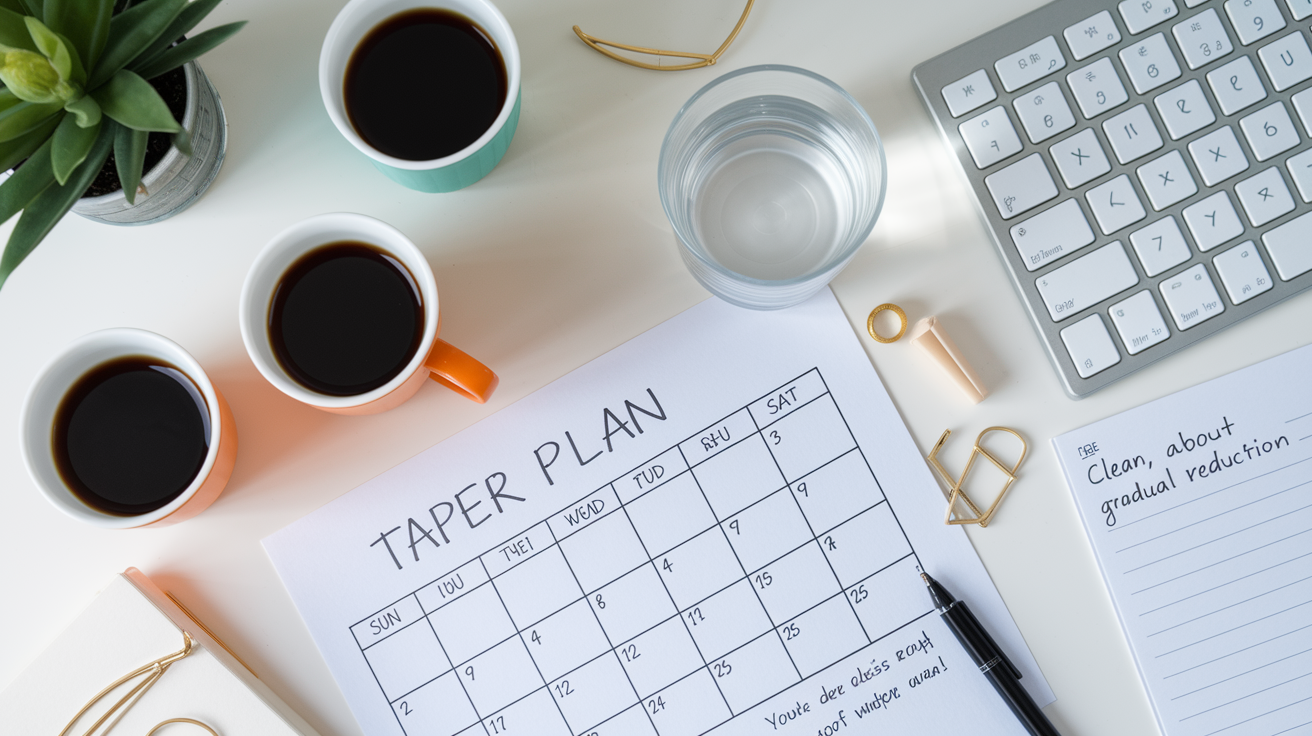
Prevention starts with understanding your personal caffeine threshold and identifying all the sources in your diet. The FDA considers up to 400 milligrams of caffeine per day safe for most healthy adults, but individual tolerance varies widely. If you’re experiencing frequent anxiety after caffeine, your safe limit may be much lower.
Tracking your intake for one to two weeks helps you spot patterns. Write down every source of caffeine (coffee, tea, energy drinks, soda, chocolate, pre-workout supplements, pain relievers), the time you consumed it, the amount, and any symptoms that followed. Look for trends. Does anxiety spike after your second cup? Does it happen more often on an empty stomach or during high-stress weeks?
How to Taper Caffeine With Minimal Withdrawal
If you decide to reduce or eliminate caffeine, tapering gradually minimizes withdrawal symptoms like headaches, fatigue, and irritability. Quitting cold turkey can trigger withdrawal symptoms within 12 to 24 hours that last 2 to 9 days.
Here’s a simple tapering plan: If you currently drink four cups of coffee per day, reduce to three cups for one week, then two cups the following week, then one cup, and finally eliminate it entirely if that’s your goal. Remove the later-in-the-day cups first to protect sleep quality.
You can also replace some of your regular coffee with decaf, which contains significantly less caffeine (about 2 to 5 milligrams per 8 ounce cup) while maintaining the taste and ritual. Mix half regular and half decaf for a few weeks, then shift to full decaf.
Hidden sources of caffeine:
- Energy drinks, 80 to 300 milligrams per serving
- Black and green tea, 40 to 70 milligrams per 8 ounce cup
- Dark chocolate, 12 to 25 milligrams per ounce
- Some soft drinks, 30 to 50 milligrams per 12 ounce can
- Pre-workout supplements, 150 to 300 milligrams per serving
- Over-the-counter pain relievers, 65 to 130 milligrams per dose (Excedrin, Midol, Anacin)
Reading labels carefully and switching to caffeine-free versions of your favorite drinks (herbal teas, caffeine-free sodas, decaf coffee) makes a noticeable difference. Gradually increasing your intake of water, herbal teas, and other caffeine-free beverages also reduces the habit pull toward caffeinated options.
Long-Term Support Options for Recurring Caffeine-Induced Anxiety
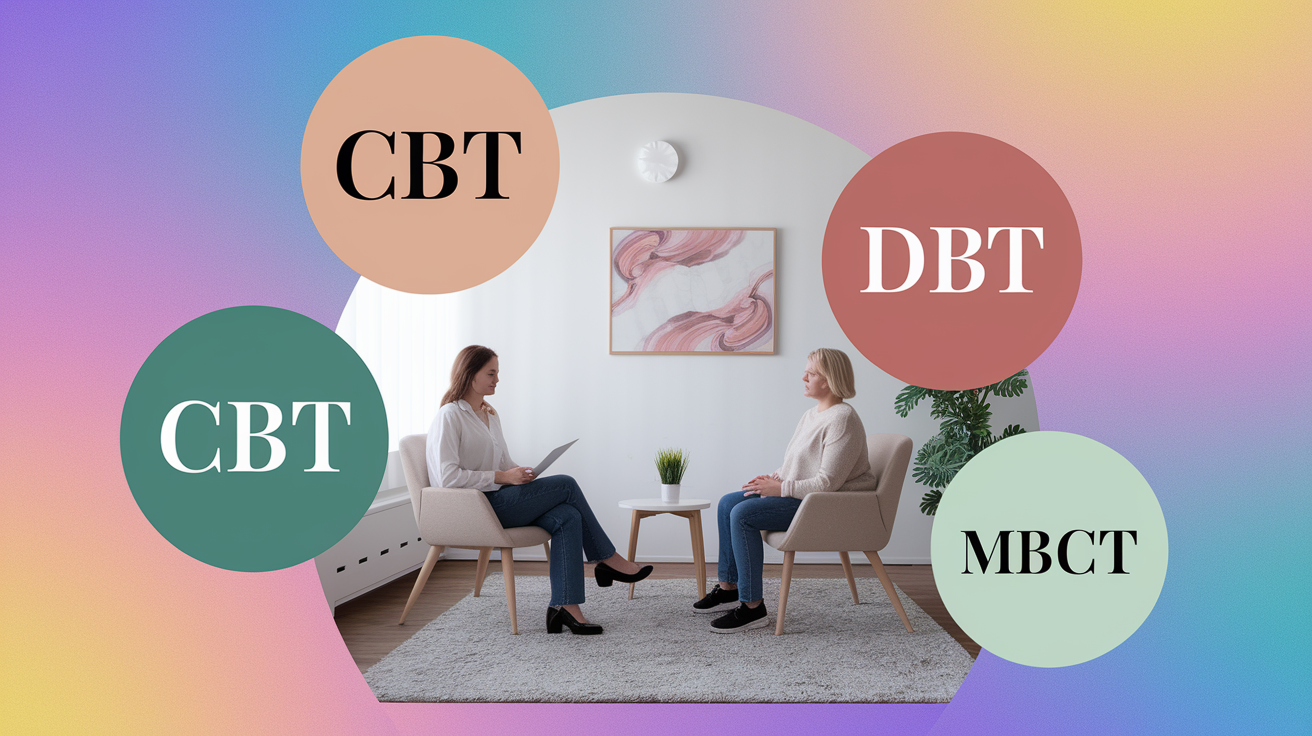
If caffeine anxiety happens frequently, feels disproportionately intense, or occurs even with very small amounts of caffeine, it may point to an underlying anxiety disorder that caffeine is simply triggering rather than causing. In these cases, addressing the baseline anxiety through therapy and lifestyle changes often reduces or eliminates the caffeine sensitivity.
Therapy Options for Anxiety Management
Cognitive Behavioral Therapy (CBT) focuses on identifying and retraining unhelpful thought patterns and behaviors that maintain anxiety. A CBT therapist might help you recognize catastrophic thinking triggered by physical sensations (like interpreting a racing heart as a heart attack) and teach you structured problem-solving and exposure techniques to reduce the fear response.
Acceptance and Commitment Therapy (ACT) emphasizes acceptance of uncomfortable sensations and thoughts rather than fighting them, combined with mindfulness strategies and values-based action. ACT helps you develop psychological flexibility so that physical symptoms like jitteriness don’t derail your day or trigger panic.
Dialectical Behavior Therapy (DBT), originally developed by Marsha Linehan in the 1970s for borderline personality disorder, teaches emotion-regulation skills, distress tolerance, and interpersonal effectiveness. DBT is particularly useful if caffeine anxiety triggers emotional intensity or impulsive reactions.
Mindfulness-Based Stress Reduction (MBSR) and Mindfulness-Based Cognitive Therapy (MBCT) offer structured 8 week programs that combine meditation, body awareness, and gentle movement to reduce overall anxiety levels. These programs teach you to observe physical sensations without reacting to them, which can significantly lower the intensity of caffeine-triggered symptoms.
Support groups, whether in-person or online, provide community connection and shared strategies for managing anxiety. Therapeutic alliance between you and your therapist is one of the strongest predictors of treatment success, so finding a clinician you feel comfortable with matters more than the specific modality.
Lifestyle changes that support long-term anxiety reduction include prioritizing 7 to 9 hours of sleep per night, regular physical activity (even 20 to 30 minutes of walking most days), stress-management practices like journaling or creative outlets, and reducing reliance on caffeine as a substitute for rest. These changes create a more resilient baseline, making occasional caffeine consumption less likely to tip you into anxiety.
Final Words
Start with the action: sip water, slow your breath (try 4‑7‑8), eat a small protein/fiber snack, and move gently for 10–20 minutes. These first steps often cut the intensity fast.
Remember why this happens—caffeine revs your nervous system—and symptoms usually ease within about 3–5 hours. Use hydration, grounding, and longer regulation practices later, and watch for red flags that need care.
If you’re still wondering about sudden anxiety after caffeine what to do, track timing and triggers. Small changes usually lead to fewer scary episodes.
FAQ
Q: How to get rid of caffeine-induced anxiety?
A: To get rid of caffeine-induced anxiety, try slow breathing (4‑7‑8 or 4‑4‑4), drink water, eat a small protein/fiber snack, walk 10–20 minutes, sip herbal tea, use grounding, and rest in quiet.
Q: Why does caffeine make me anxious all of a sudden?
A: Caffeine makes you anxious suddenly because it blocks calming receptors and raises stimulants like adrenaline and norepinephrine, causing overstimulation—especially if you’re sensitive, sleep‑deprived, on meds, or had a large dose.
Q: How long does caffeine-induced anxiety last?
A: Caffeine‑induced anxiety typically lasts 3–5 hours, since caffeine’s half‑life is about five hours; symptoms can persist up to 12 hours, longer if you’re sensitive, on certain meds, or have slow metabolism.
Comments are closed