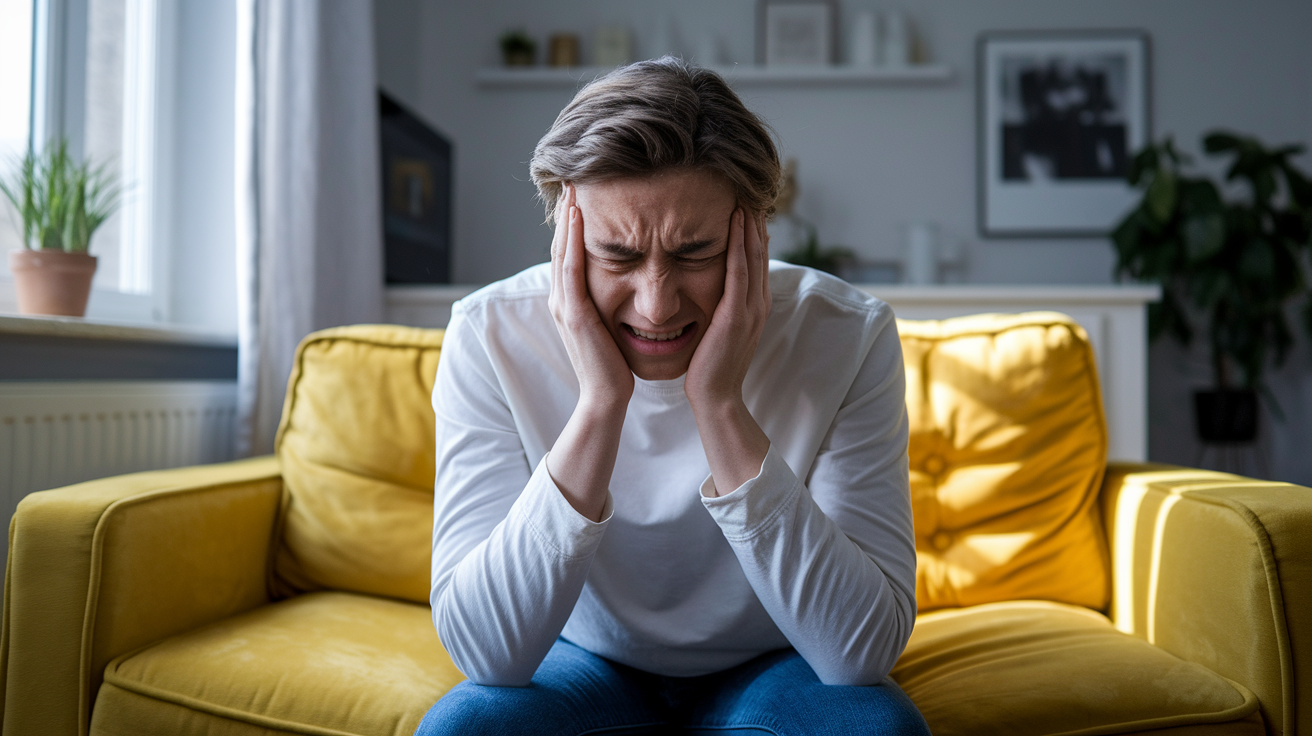
Could your coffee or an undiagnosed thyroid problem be why a panic attack hits out of nowhere?
Sudden anxiety attacks feel like a body-wide alarm, heart racing, short of breath, dizzy, or frozen with fear.
You’re not imagining it.
This post explains why they pop up without warning, covering common triggers (stress, caffeine, medications, withdrawal), brain and genetic contributors, and medical mimics like low blood sugar or thyroid issues.
Read on to learn simple first steps, what to track, and when to get medical care.
Key Reasons Behind Sudden Anxiety Attacks (Fast Explanation for What Causes Them)
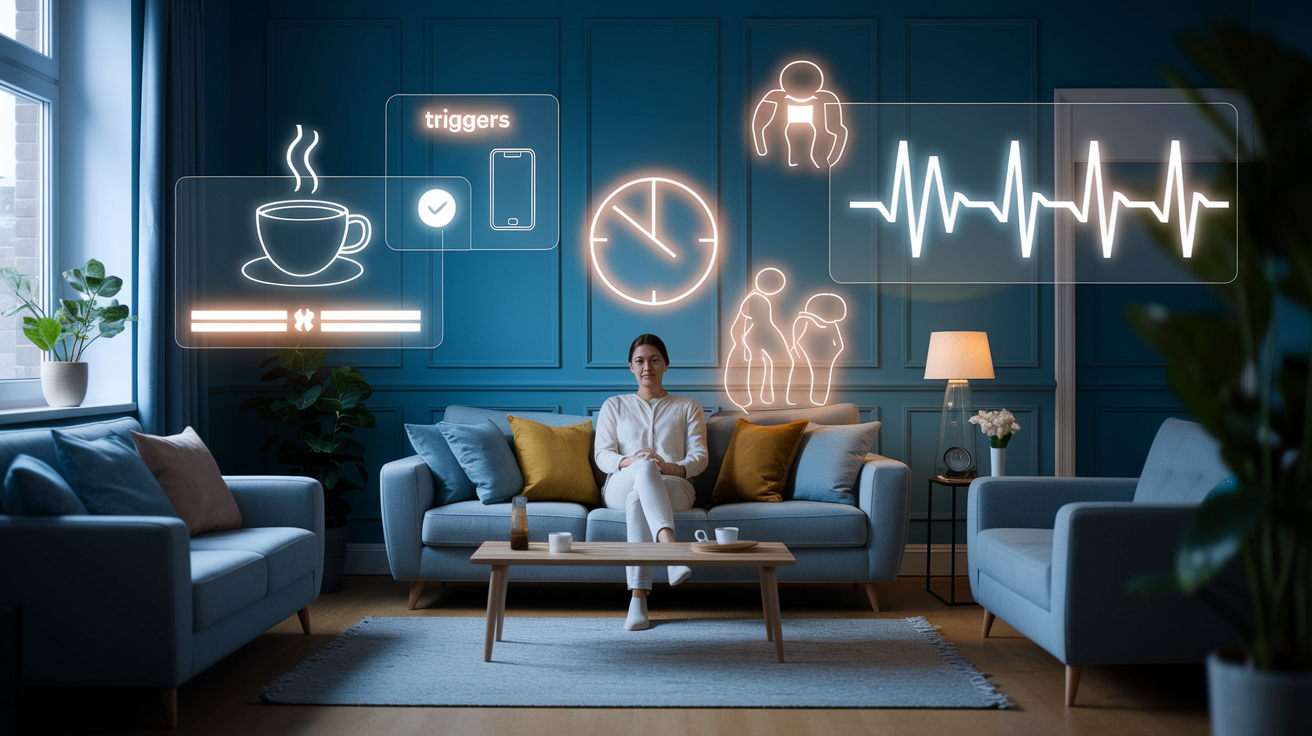
A sudden anxiety attack is an abrupt surge of intense fear or discomfort that usually peaks in about 10 minutes and lasts somewhere around 20 to 30 minutes, though sometimes symptoms hang on longer. These episodes show up without warning, often while you’re doing something totally mundane like watching TV, driving, or even sleeping. They feel so unpredictable because your sympathetic nervous system flips into overdrive, flooding your body with adrenaline and kicking off a cascade of physical sensations. Racing heart, sweating, trembling, shortness of breath, chest tightness, dizziness, and a powerful sense that something is terribly wrong.
Many sudden anxiety attacks start with internal and external cues that you might not consciously register. A slight uptick in heart rate after climbing stairs. A twinge in your chest after drinking coffee on an empty stomach. A fleeting thought that reminds you of past trauma. Your body interprets these small signals as danger, and the fight-or-flight response revs up before your conscious mind has time to catch up. In other cases, subconscious stress builds over days or weeks without you noticing, then spills over all at once when your nervous system finally lets down. The attack can also be fueled by hyperventilation, which drops carbon dioxide levels in your blood and causes dizziness, tingling in your hands or face, and more chest tightness. A self-reinforcing loop of panic.
What commonly triggers these attacks:
Psychological stress from acute events like job loss, relationship conflict, or major life changes
Trauma reminders that activate the brain’s alarm system without conscious awareness
Stimulant overload, especially caffeine doses above 200 to 400 mg (roughly 2 to 4 regular cups of coffee)
Medical issues such as hyperthyroidism, low blood sugar, or heart arrhythmias that mimic anxiety symptoms
Substance withdrawal, particularly from alcohol or benzodiazepines, which can cause severe rebound anxiety
Fear of fear cycles, where hypervigilance to your own heartbeat or breathing primes you to escalate normal sensations into full panic
Brain-Level and Genetic Contributors to Sudden Anxiety Attacks
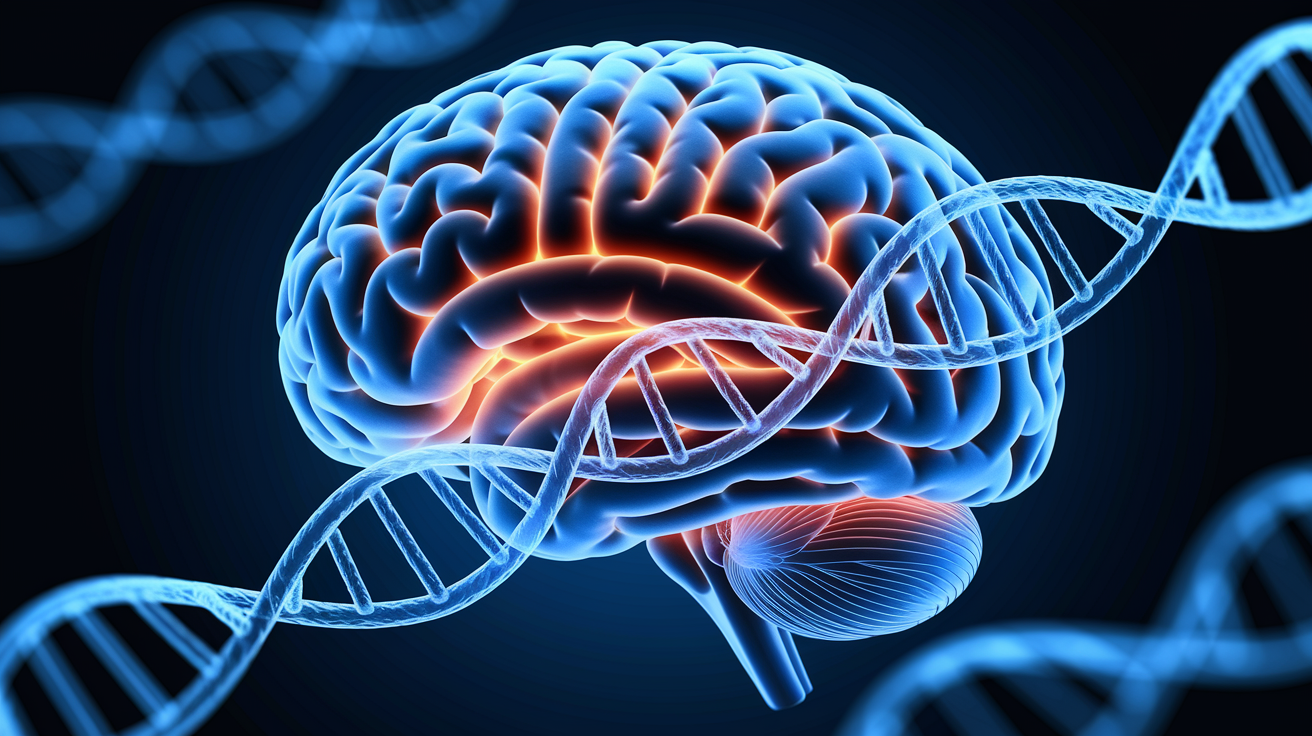
The amygdala, a small almond-shaped structure deep in your brain, is your built-in alarm system. In people prone to sudden anxiety attacks, the amygdala can be hyperresponsive. It treats minor physical sensations or vague emotional cues as if they were life-or-death threats. This overactive alarm can fire off a fight-or-flight response before your conscious mind even knows what’s happening. That’s why an attack can feel like it comes out of nowhere. Your body is reacting faster than you can think.
Neurotransmitter imbalances also play a central role. Low levels of GABA (gamma-aminobutyric acid), which acts as the brain’s natural brake pedal, can leave you more vulnerable to runaway anxiety. Serotonin dysregulation affects mood stability and stress tolerance. Imbalances in norepinephrine can keep your nervous system in a state of high alert. When these chemical messengers are out of sync, your brain’s threat-detection system becomes hypersensitive, and ordinary stressors can cross the threshold into sudden panic.
Genetics load the dice as well. If you have a first-degree relative with panic disorder or a history of sudden anxiety attacks, your own risk is about four times higher than someone without that family history. You don’t inherit the attacks directly. You inherit a nervous system that’s more reactive to stress, a tendency toward certain neurotransmitter patterns, and possibly a lower threshold for perceiving internal sensations as threatening. These inherited traits interact with your environment and life experiences to shape whether and how often sudden anxiety attacks occur.
Medical Conditions That Can Masquerade as Sudden Anxiety Episodes
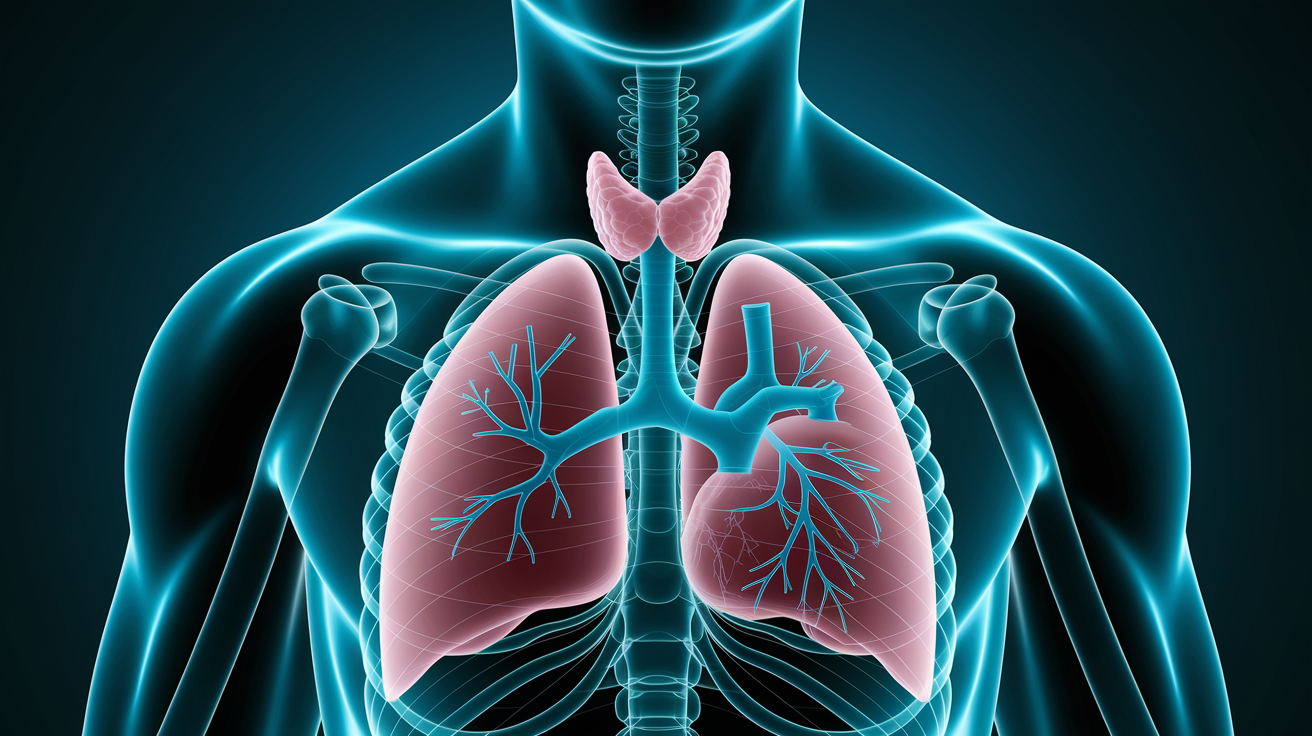
Several medical conditions produce physical sensations nearly identical to a sudden anxiety attack, which is why clinicians often start with a basic medical workup when attacks are new, frequent, or accompanied by unusual features. Hyperthyroidism floods your system with excess thyroid hormone, speeding up your metabolism and causing a racing heart, sweating, tremor, heat intolerance, weight loss, and a jittery, anxious feeling. Hypoglycemia, or low blood sugar, can trigger shakiness, sweating, rapid heartbeat, lightheadedness, confusion, and intense anxiety, especially if you’ve skipped meals or taken too much diabetes medication. Cardiac arrhythmias (irregular heart rhythms) can cause palpitations, chest discomfort, shortness of breath, and sudden fear that feels indistinguishable from panic.
Other culprits include asthma exacerbations, which produce air hunger and chest tightness. Anemia causes fatigue, rapid heart rate, and breathlessness. Electrolyte imbalances from dehydration or medication side effects lead to dizziness, muscle twitching, and confusion. Rare but serious conditions like pheochromocytoma (a tumor that secretes adrenaline) or pulmonary embolism (a blood clot in the lung) can also present with sudden anxiety-like symptoms. Because the overlap is so significant, many people end up in the emergency department or their doctor’s office for the first time, understandably worried they’re having a heart attack or another life-threatening event.
Diagnostic evaluation typically includes blood tests to check thyroid function (TSH), fasting blood sugar, a complete blood count, and a metabolic panel to assess electrolytes and kidney function. An electrocardiogram (ECG) records the heart’s electrical activity to identify arrhythmias or signs of heart strain. Pulse oximetry measures blood oxygen levels, and if respiratory or cardiac concerns are present, a chest X-ray or CT scan may be ordered. Ruling out these medical mimics is an essential first step before settling on a primary anxiety diagnosis.
| Condition | Diagnostic Consideration | Typical Test |
|---|---|---|
| Hyperthyroidism | Excess thyroid hormone causing heart racing, tremor, anxiety | TSH, free T4 |
| Hypoglycemia | Low blood sugar triggering shakiness, sweating, confusion | Fasting glucose, continuous glucose monitor |
| Cardiac arrhythmia | Irregular heartbeat causing palpitations, chest discomfort | ECG, Holter monitor |
| Anemia | Low red blood cells leading to fatigue, rapid heartbeat | Complete blood count (CBC) |
Substance, Medication, and Withdrawal Triggers for Sudden Anxiety Attacks
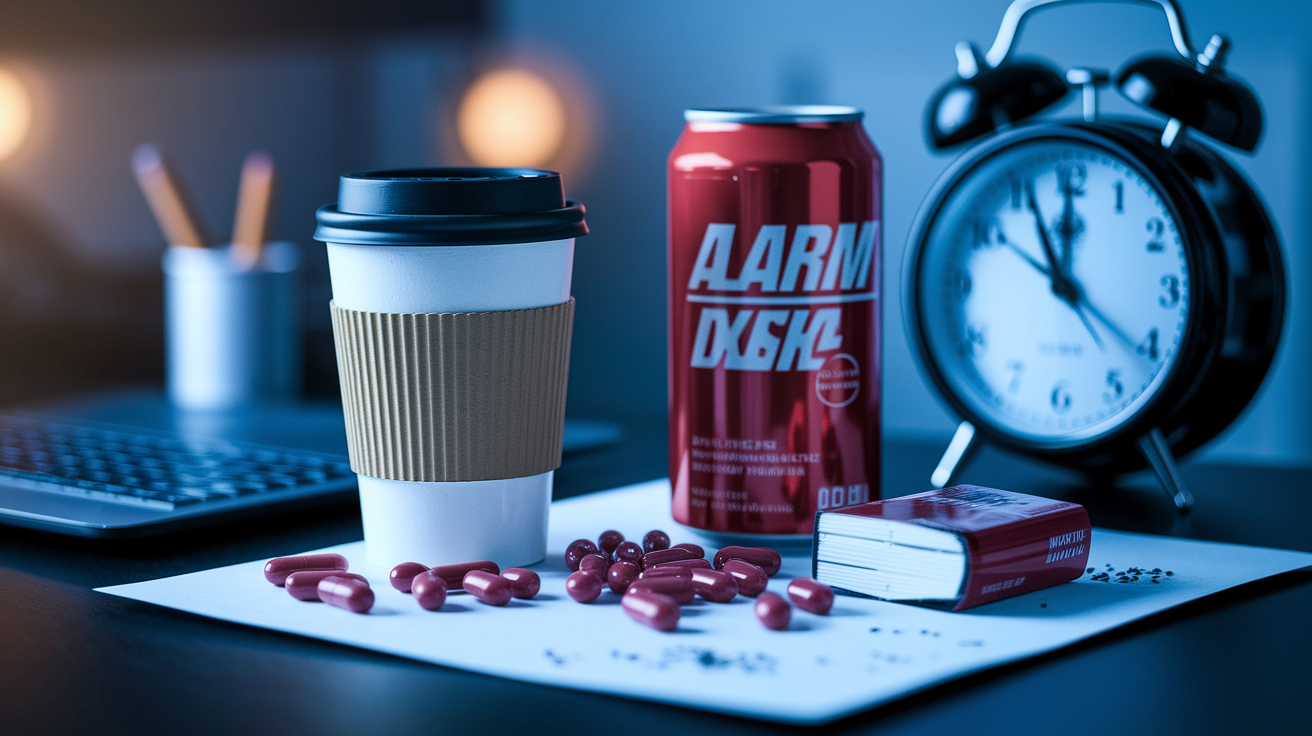
Stimulants are a frequent trigger for sudden anxiety attacks, and caffeine is the most common culprit. A single dose above 200 to 400 mg (roughly two to four regular cups of coffee) can provoke anxiety, jitteriness, rapid heartbeat, and full panic in sensitive individuals, especially if consumed on an empty stomach or later in the day. Nicotine acts as a stimulant as well, raising heart rate and blood pressure and priming the nervous system for heightened arousal. Recreational stimulants like cocaine, methamphetamine, or synthetic cathinones (bath salts) can cause severe, sudden anxiety episodes along with dangerous cardiovascular effects. Even over-the-counter decongestants containing pseudoephedrine or energy drinks loaded with caffeine and taurine can push someone over the threshold.
Prescription medications can also be responsible. Stimulant medications used to treat ADHD (such as amphetamine salts or methylphenidate) may trigger anxiety or panic in a subset of patients, particularly at higher doses or when combined with other stimulants. Excessive thyroid hormone replacement can mimic hyperthyroidism and produce anxiety symptoms. Some asthma inhalers, especially short-acting beta-agonists like albuterol, can cause tremor, rapid heartbeat, and a sense of inner restlessness. Corticosteroids prescribed for inflammation or autoimmune conditions occasionally cause mood changes, agitation, and anxiety.
Withdrawal from substances is equally important. Abrupt cessation of alcohol after heavy, prolonged use can lead to severe rebound anxiety, tremors, sweating, and even life-threatening seizures. Benzodiazepine withdrawal, whether intentional tapering or accidental missed doses, can produce intense anxiety, panic, insomnia, and physical discomfort.
Common substance and medication triggers:
Caffeine intake above 200 to 400 mg per day
Nicotine from cigarettes, vaping, or nicotine replacement products
Prescription stimulants for ADHD or narcolepsy
Thyroid hormone doses that are too high or fluctuating
Alcohol or benzodiazepine withdrawal after regular use
Psychological Patterns and Thought Triggers Behind Sudden Anxiety Attacks
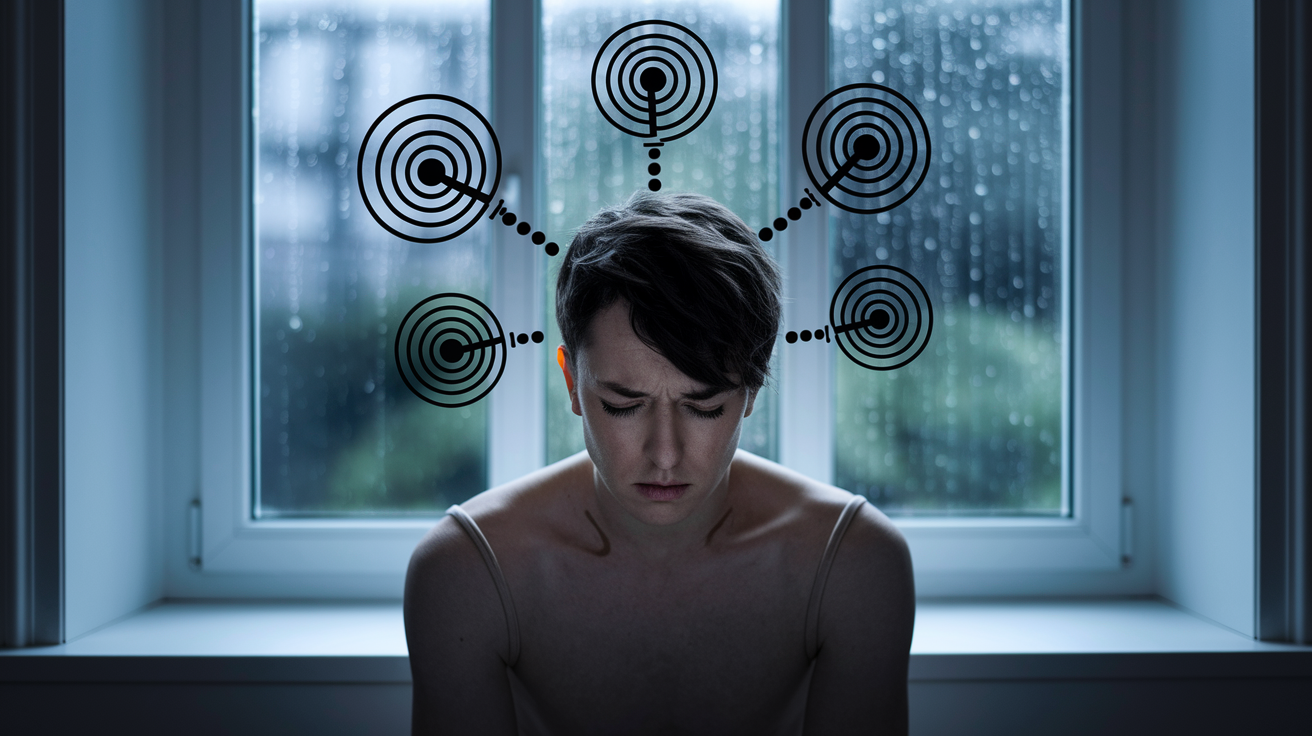
Catastrophic thinking is one of the most powerful psychological pathways to a sudden anxiety attack. When you misinterpret a normal physical sensation (like a skipped heartbeat, a wave of dizziness, or a moment of breathlessness) as a sign that you’re having a heart attack, dying, or losing control, your brain treats that interpretation as fact and launches a full-scale threat response. This cognitive distortion transforms a benign flutter into a medical emergency in your mind, and the resulting flood of adrenaline creates exactly the symptoms you feared. The fear of the sensation becomes the fuel that escalates it into an attack.
Trauma reminders operate on a similar hair-trigger mechanism. If you’ve experienced past trauma, certain sights, sounds, smells, or even internal body states can activate your amygdala without conscious recognition. You might not realize that the smell of cigarette smoke, the sound of raised voices, or the feeling of being trapped in a crowded space is connected to a traumatic memory, but your nervous system remembers and reacts. This rapid, subconscious activation can spark a sudden anxiety attack that feels completely random because the trigger never entered your conscious awareness.
Subconscious stress accumulation and the let-down effect also play a role. You might be managing a high-stress period (tight work deadlines, family conflict, financial pressure) without feeling acutely anxious day to day. Your body, though, is keeping score. Stress hormones stay elevated, muscle tension builds, and your nervous system runs in overdrive. Then, when you finally relax (on a weekend, after a project ends, or during a vacation), your body lets its guard down and the accumulated tension releases all at once as a sudden anxiety attack. It’s as if your system held it together as long as it had to, then collapsed the moment it felt safe.
Sudden Anxiety Attacks Triggered by Hormones, Sleep, and Lifestyle Stressors
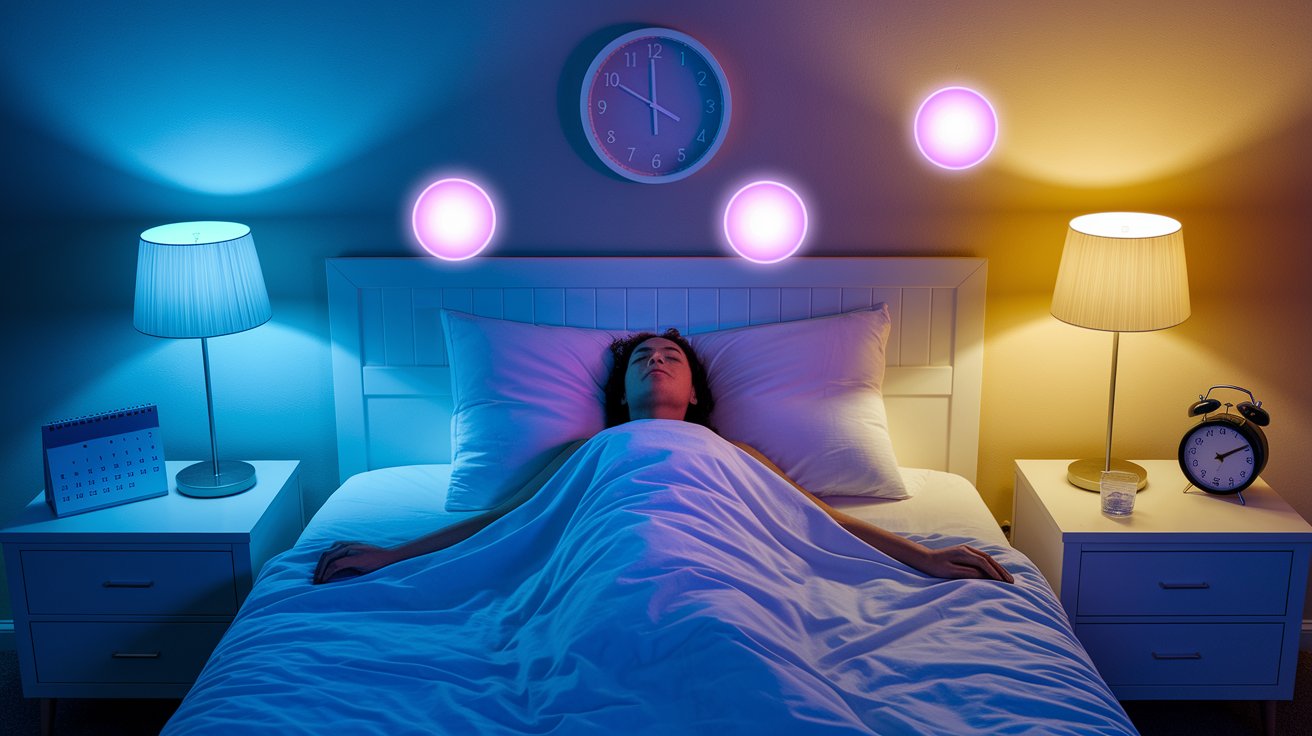
Hormonal fluctuations are a well-documented trigger for sudden anxiety attacks, particularly in women. The week before menstruation, dropping levels of progesterone and estrogen can lower your brain’s natural anxiety buffer and increase sensitivity to stress. Some people experience panic-like symptoms specifically during the luteal phase of their cycle. Pregnancy brings dramatic hormonal shifts that can either improve or worsen anxiety, and the postpartum period is a high-risk time for new-onset panic due to the sharp drop in pregnancy hormones combined with sleep deprivation and stress. Perimenopause and menopause introduce irregular hormone levels, hot flashes that mimic panic sensations, and sleep disruption that compounds anxiety vulnerability.
Sleep deprivation is a potent amplifier of sudden anxiety. Even one or two nights of poor sleep can disrupt your body’s cortisol rhythm, reduce your ability to regulate emotions, and lower your threshold for perceiving threat. Chronic sleep loss primes your nervous system to be hyperreactive, meaning minor stressors that you’d normally handle with ease can tip you into a full anxiety attack. Your brain’s prefrontal cortex (the part responsible for rational thought and emotional regulation) becomes less effective when you’re tired, while the amygdala becomes more reactive. That imbalance makes sudden, intense fear responses more likely.
Common lifestyle and hormonal contributors to sudden anxiety attacks:
Menstrual cycle fluctuations, especially the week before your period
Pregnancy, postpartum, perimenopause, or menopause hormonal changes
Sleep deprivation or chronic insomnia (less than 6 to 7 hours per night)
Prolonged exposure to chronic stress without adequate recovery time
Distinguishing Sudden Anxiety Attacks From Panic Attacks and Medical Emergencies
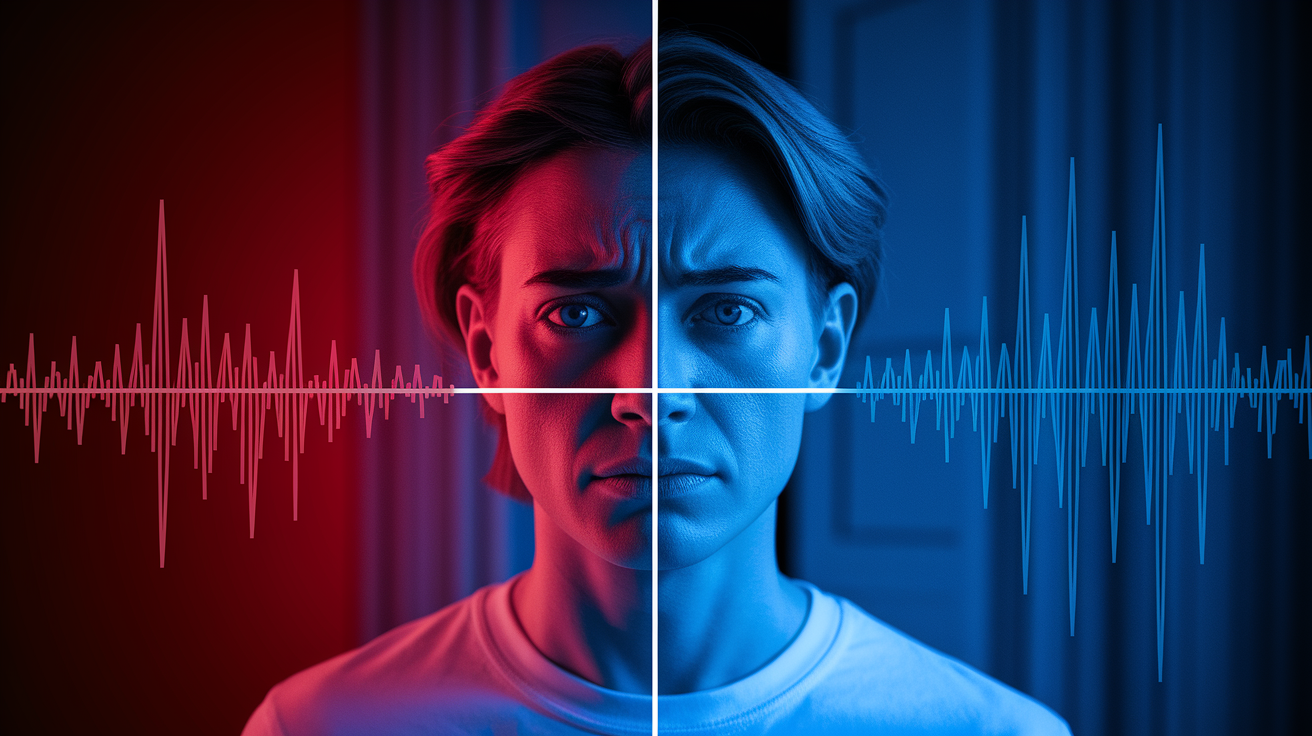
In clinical language, “panic attack” is the formal term used in diagnostic criteria, while “anxiety attack” is a more informal description people use to describe a surge of fear or worry. The key difference is timing and intensity. A panic attack is sudden, peaks within about 10 minutes, and involves intense physical symptoms like chest pain, heart pounding, shortness of breath, dizziness, tingling, sweating, trembling, and overwhelming fear of dying or losing control. An anxiety attack tends to build more gradually in response to a specific stressor (like anticipating a difficult conversation or worrying about an upcoming deadline), and the symptoms often include muscle tension, restlessness, worry spirals, and a sense of being on edge that can last for hours, days, or weeks.
The hardest distinction to make in the moment is between a panic attack and a heart attack, because chest pain, shortness of breath, sweating, and nausea can appear in both. Heart attacks, though, usually involve crushing or squeezing chest pressure that builds over minutes, pain that radiates to the jaw, neck, shoulder, or arm, and symptoms that worsen with exertion rather than appearing out of nowhere during rest. Panic attack chest pain is often sharp or stabbing, shifts location, and typically comes with other anxiety symptoms like fear of dying, tingling hands, and hyperventilation. If you’ve never had a panic attack before, if you have risk factors for heart disease (high blood pressure, diabetes, smoking, family history), or if the chest pain is severe or spreading, emergency evaluation is the safest choice.
Key features that help differentiate sudden anxiety attacks from other conditions:
Panic attack: Abrupt onset, peaks in roughly 10 minutes, intense fear, rapid heartbeat, hyperventilation, chest tightness, dizziness, tingling
Anxiety attack (informal term): Gradual build-up, tied to a stressor, muscle tension, worry, restlessness, can last hours or longer
Heart attack: Crushing chest pressure, radiating pain, nausea, sweating, worsens with exertion, does not improve with breathing techniques
Hypoglycemia: Shakiness, confusion, sweating, hunger, relieved by eating fast-acting carbs
Arrhythmia: Palpitations or skipped beats, may include chest flutter, lightheadedness, fainting
When Sudden Anxiety Attacks Require Urgent or Emergency Medical Care
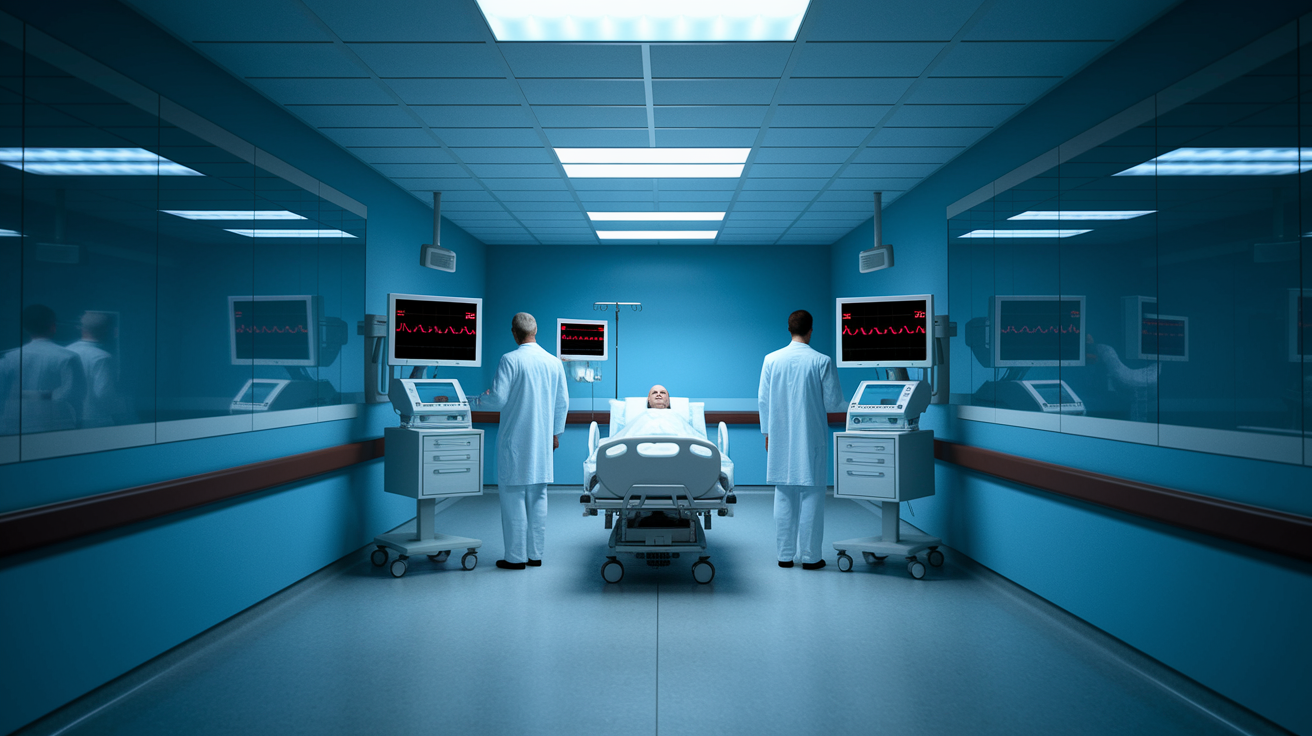
Seek emergency care immediately if you experience chest pain or pressure and you have risk factors for heart disease such as high blood pressure, diabetes, smoking, high cholesterol, or a family history of early heart attacks. Go to the emergency department if you faint, have severe shortness of breath that doesn’t improve with sitting and slow breathing, notice sudden weakness or numbness on one side of your body, develop slurred speech, experience confusion or altered mental status, or suspect an overdose of any substance. These symptoms may indicate a heart attack, stroke, severe arrhythmia, pulmonary embolism, or another life-threatening condition that requires immediate diagnostic workup including an ECG, blood tests for cardiac enzymes (troponin), chest imaging, and continuous monitoring.
Urgent outpatient evaluation is appropriate when sudden anxiety attacks are recurrent, cause you to avoid normal activities, or generate persistent worry for a month or longer. If you’re having attacks more than once per month, if daily functioning is impaired, if you’ve started using alcohol or other substances to manage the fear, or if you’re experiencing thoughts of self-harm or suicide, contact a mental health professional or your primary care clinician within a few days. Mention new medication changes, unexplained weight loss, tremor, heat intolerance, or other symptoms that might point to a thyroid problem or another medical cause. A thorough evaluation typically includes a medical history, physical exam, basic lab tests (TSH, fasting glucose, complete blood count, metabolic panel), and an ECG if you haven’t had one recently.
Immediate Coping Strategies to Stop or Reduce a Sudden Anxiety Attack

Box Breathing (4-4-4 Technique)
Stop what you’re doing and find a place to sit down if possible. Close your eyes or soften your gaze. Inhale slowly through your nose for a count of 4 seconds, hold your breath gently for 4 seconds, then exhale slowly through your mouth for 4 seconds. Pause for 4 seconds before the next inhale. Repeat this cycle 6 to 10 times. The slow, controlled breathing corrects hyperventilation by raising carbon dioxide levels and signals your nervous system that the threat has passed.
5-4-3-2-1 Grounding Method
This sensory technique pulls your attention out of your racing thoughts and back into the present moment. Look around and name out loud or silently 5 things you can see (a chair, a window, your hand). Then name 4 things you can physically feel (your feet on the floor, the fabric of your shirt, the temperature of the air). Name 3 things you can hear (traffic outside, a fan, your own breathing). Name 2 things you can smell (coffee, soap, fresh air). Finally, name 1 thing you can taste (mint, the lingering flavor of lunch, or just the inside of your mouth). By the time you finish, your heart rate usually begins to slow.
Progressive Muscle Relaxation
Starting with your toes, tense the muscles in your feet as hard as you can for 5 to 10 seconds, then release completely and notice the difference. Move up to your calves, thighs, abdomen, hands, arms, shoulders, neck, and face, tensing and releasing each muscle group in turn. This systematic approach interrupts the physical tension cycle that fuels anxiety and gives your mind a concrete task to focus on instead of catastrophic thoughts.
Cold Water and Quick Physical Resets
Splash cold water on your face or hold an ice cube in your hand. The sudden temperature change activates the dive reflex, which slows your heart rate and can interrupt a panic spiral. If you’re able, step outside for fresh air, take off a layer of clothing if you’re overheated, or sip cold water slowly. Small, physical actions that change your sensory environment can disrupt the attack’s momentum.
Longer-Term Treatment Options to Reduce Sudden Anxiety Attacks

Cognitive Behavioral Therapy (CBT) is the gold-standard treatment for panic disorder and recurrent sudden anxiety attacks. A typical course involves 12 to 16 sessions, though some people benefit from longer treatment if there are comorbid conditions like depression or complex trauma. CBT focuses on identifying and changing the catastrophic thoughts that misinterpret body sensations as dangerous, and it includes interoceptive exposure (deliberately triggering mild physical sensations, like spinning in a chair to feel dizzy or breathing through a straw to feel short of breath, in a safe setting to learn that these sensations are uncomfortable but not harmful). Over time, this retraining reduces the fear-of-fear cycle and lowers attack frequency.
Medication is often helpful, especially when attacks are frequent or severe. Selective serotonin reuptake inhibitors (SSRIs) like sertraline, fluoxetine, or escitalopram, and serotonin-norepinephrine reuptake inhibitors (SNRIs) like venlafaxine, are first-line options. These medications take several weeks (usually 4 to 6) to reach full effectiveness, but they can provide long-term symptom reduction and make you less vulnerable to sudden attacks. Short-term use of benzodiazepines may be prescribed cautiously for acute relief, but because of dependence risk and rebound anxiety, they’re typically reserved for specific situations rather than daily use. Your clinician will tailor the choice and dose based on your history, other medications, and response.
Lifestyle measures with measurable targets can significantly reduce attack frequency:
Regular aerobic exercise for 20 to 30 minutes on most days, which lowers baseline stress hormones and improves mood regulation
Consistent sleep of 7 to 9 hours per night to stabilize cortisol and emotional resilience
Reducing caffeine intake to less than 200 mg per day if you’re sensitive
Avoiding nicotine and recreational stimulants entirely
Daily relaxation or mindfulness practice for 5 to 20 minutes, such as diaphragmatic breathing, guided meditation, progressive muscle relaxation, or yoga
Tracking Triggers and Recognizing Early Warning Signs of Sudden Anxiety Attacks
Keeping a detailed panic diary is one of the most effective tools for reducing sudden anxiety attacks because it reveals patterns you might not notice otherwise. Each time an attack occurs, write down the date, time, what you were doing just before it started, any physical sensations you noticed first (heart racing, slight dizziness, chest tightness), what you were thinking or worrying about, your emotional state, what you’d eaten or drunk in the previous few hours, how much sleep you got the night before, and where you were in your menstrual cycle if applicable. After a few weeks, you’ll often see clear connections. Attacks that cluster around your period, spikes after late nights, episodes that follow high-caffeine mornings, or patterns tied to specific worry themes or situations.
Recognizing early warning signs gives you a chance to intervene before a full attack develops. Common early signals include a slight increase in heart rate, a shift in your breathing (quicker or shallower), muscle tension in your shoulders or jaw, a vague sense of unease or dread, intrusive worry thoughts, or hypervigilance to your own body. When you catch these signs early, you can apply grounding techniques, slow your breathing, step away from a triggering environment, or use a brief self-talk script like “This is just my anxiety starting up, and I know what to do.” The more you practice catching the early wave, the less often it builds into a full surge.
Useful tracking and early-intervention strategies:
Recording attack timing, duration, intensity (0 to 10 scale), and context in a daily log
Noting triggers like caffeine, sleep, stress, hormonal timing, or specific worry themes
Identifying your personal early warning signs (tight chest, faster breathing, racing thoughts)
Creating a portable coping card with your top 3 grounding techniques to use at the first sign of an attack
Final Words
You’ve just read a clear, practical guide to sudden anxiety attacks: what kicks off the fast body surge, brain and genetic contributors, medical mimics, substance and medication effects, hormone and sleep links, and thinking patterns that can start an episode.
You also saw quick coping steps, when to get urgent care, longer-term treatments like CBT and meds, and simple ways to track patterns.
Start a short diary of timing, triggers, and intensity to help you and your clinician figure out what causes sudden anxiety attacks. Small, steady steps often help — you can get steadier with time.
FAQ
Q: How to stop panicking about having a panic attack?
A: The way to stop panicking about having a panic attack is to use quick grounding: slow diaphragmatic breathing (longer exhales), 5-4-3-2-1 sensory focus, splash cold water, sip water, and remind yourself it will peak soon.
Q: Why did I get an anxiety attack out of nowhere?
A: The reason you got an anxiety attack out of nowhere is sudden brain alarming, unnoticed stress, stimulants, hormone shifts, sleep loss, or medical issues; track timing and substances, and see a clinician if it’s new or severe.
Q: What are the triggers of panic attacks?
A: The triggers of panic attacks include high caffeine or stimulant use, sleep deprivation, intense stress or trauma reminders, certain medications or withdrawal, low blood sugar, and hormonal changes.
Q: How do you treat anxiety attacks?
A: The way to treat anxiety attacks is using immediate coping (paced breathing, grounding, cold water), longer-term CBT or medication when needed, daily stress habits, cutting back on caffeine, and tracking triggers for clinician review.
Comments are closed