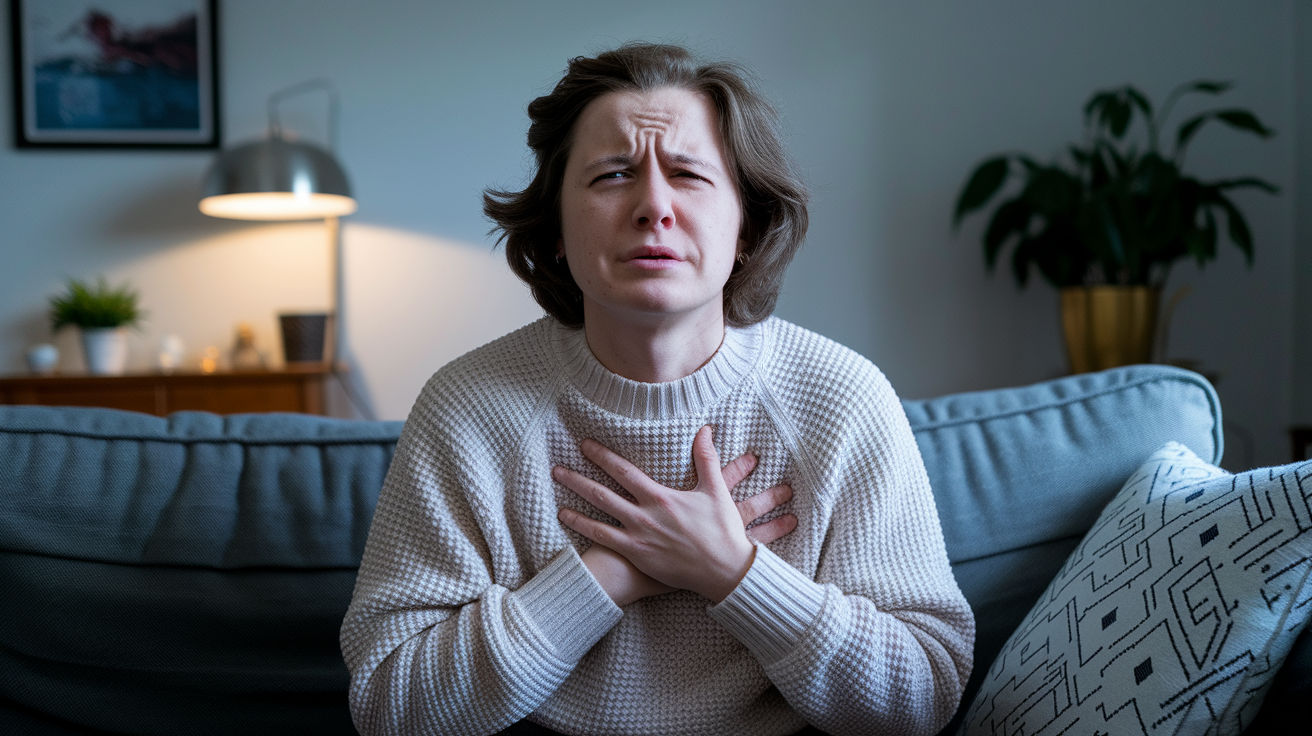
Feeling like a tight band around your ribs?
That chest tightness can be scary, but it’s often your body’s stress response, not a heart attack.
In this post you’ll learn how anxiety creates that squeeze, quick steps to calm it now, what patterns point to anxiety versus heart trouble, and what to track for your clinician.
You’ll also get clear guidance on when to seek urgent care.
Read on to feel steadier and know what to do next.
How Anxiety Causes Chest Tightness
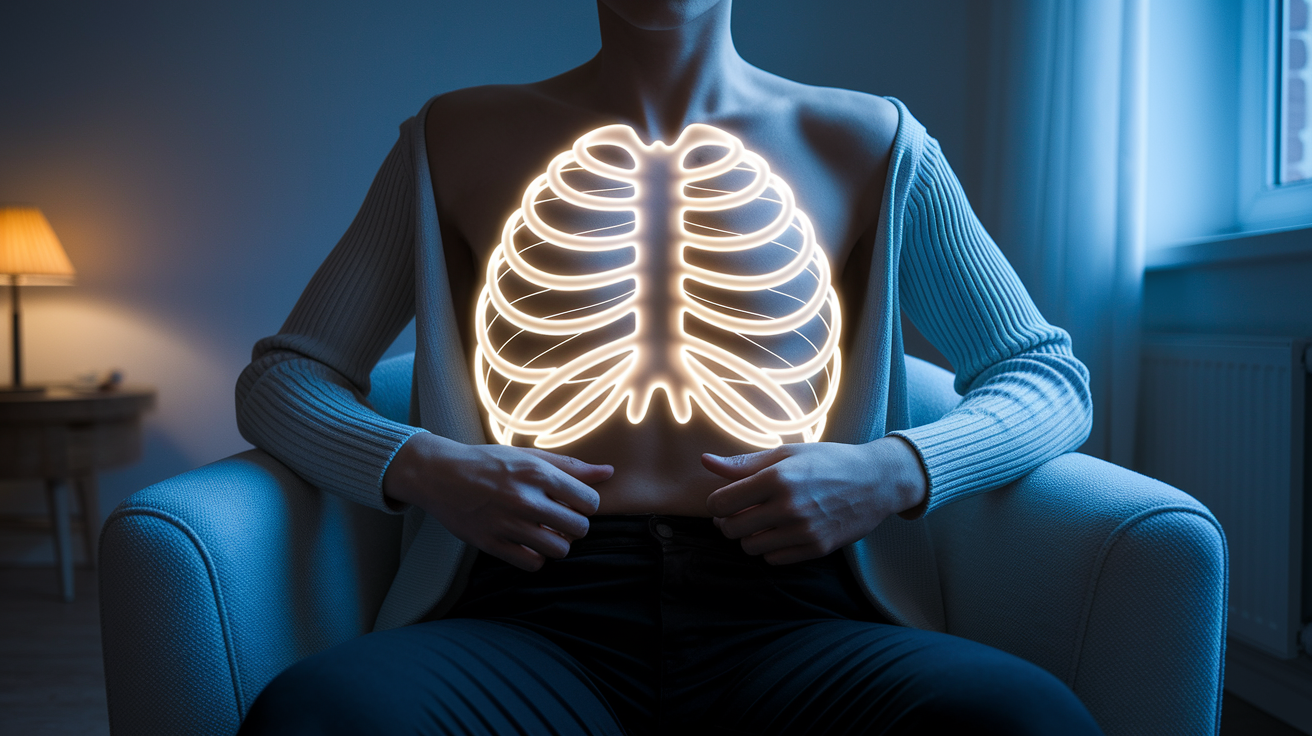
Chest tightness from anxiety is one of the most common physical symptoms people report when they’re stressed or panicking. About 12 to 16 percent of people experience chest pain at some point in their lives. When researchers ask specifically about panic attacks, over 75 percent say chest tightness showed up during their worst episodes. This happens because anxiety flips on your body’s fight-or-flight response, a survival mechanism that evolved to help you react to immediate danger.
When you feel anxious or scared, your brain releases stress hormones like adrenaline and cortisol. These chemicals speed up your heart rate, tighten muscles throughout your body (especially in your chest and shoulders), and shift your breathing to become faster and shallower. The combination of rapid shallow breathing and involuntary muscle clenching creates that sensation of tightness, pressure, or constriction in your chest. Some people describe it as feeling like a band wrapped around their ribs. Others say it feels like a heavy weight pressing down, or a sharp, stabbing discomfort.
The tightness can appear suddenly during moments of acute stress or build gradually if you’ve been holding tension for hours or days. Unlike chest pain from physical exertion, anxiety-related tightness often shows up when you’re resting, sitting at your desk, or even lying in bed at night. It can last a few seconds or hang around for minutes. While it feels alarming, it’s usually not dangerous. Your body is just responding to perceived threat, even when there’s no actual physical danger present.
Distinguishing Anxiety Chest Tightness From Heart-Related Symptoms
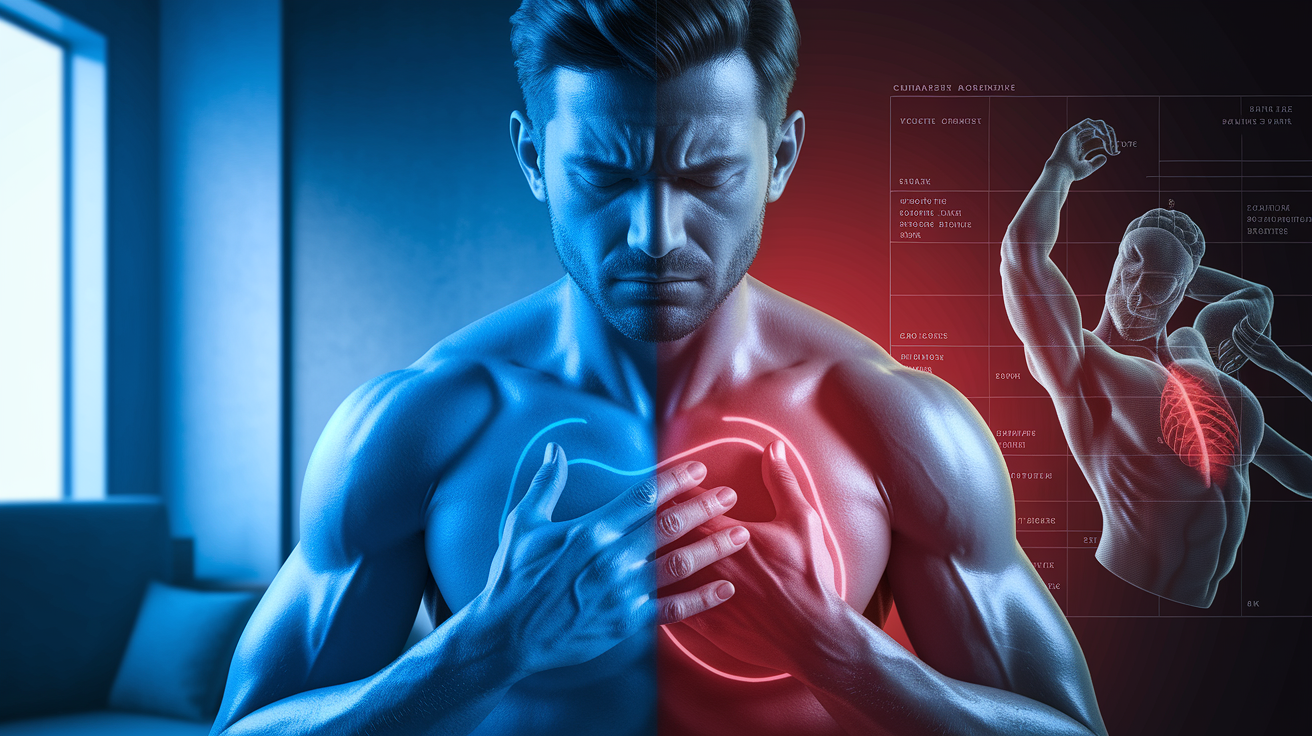
One of the hardest parts of experiencing chest tightness is figuring out whether it’s anxiety or something more serious. A lot of people worry they’re having a heart attack, and that fear can make the tightness worse. Anxiety-related chest tightness is very common and often mimics cardiac symptoms, but there are patterns that can help you tell the difference.
Heart-related chest pain typically happens during or after physical exertion, like climbing stairs or carrying heavy bags. It often feels like pressure or squeezing that may spread to your arm, jaw, neck, or back, and it may come with sweating, nausea, or a sense of dread that feels different from typical anxiety. Anxiety chest tightness usually appears during moments of emotional stress, worry, or panic, and it often improves when you calm down, practice slow breathing, or shift your attention. It’s also more likely to be accompanied by other anxiety symptoms like racing thoughts, tingling hands, or a feeling of being detached from your surroundings.
Here are some practical features to notice:
Timing and triggers: Heart pain often follows exertion. Anxiety tightness often follows stress, worry, or panic, even at rest.
Location and spread: Cardiac pain may move to the arm, jaw, or back. Anxiety tightness tends to stay centered in the chest or feel band-like.
Duration and pattern: Anxiety symptoms may come in waves or ease with breathing exercises. Cardiac pain is more likely to be constant or worsen over time.
Associated symptoms: Anxiety includes rapid heartbeat, dizziness, trembling, or shortness of breath that improves with calming techniques. Heart problems may include cold sweats, nausea, or fainting.
Response to relaxation: If slow breathing, grounding, or distraction reduces the sensation, it’s more likely anxiety. Cardiac pain usually doesn’t respond to these techniques.
History and risk factors: If you have diabetes, high blood pressure, a family history of heart disease, or obesity, chest pain warrants faster medical evaluation.
Immediate Relief Techniques for Anxiety-Induced Chest Tightness
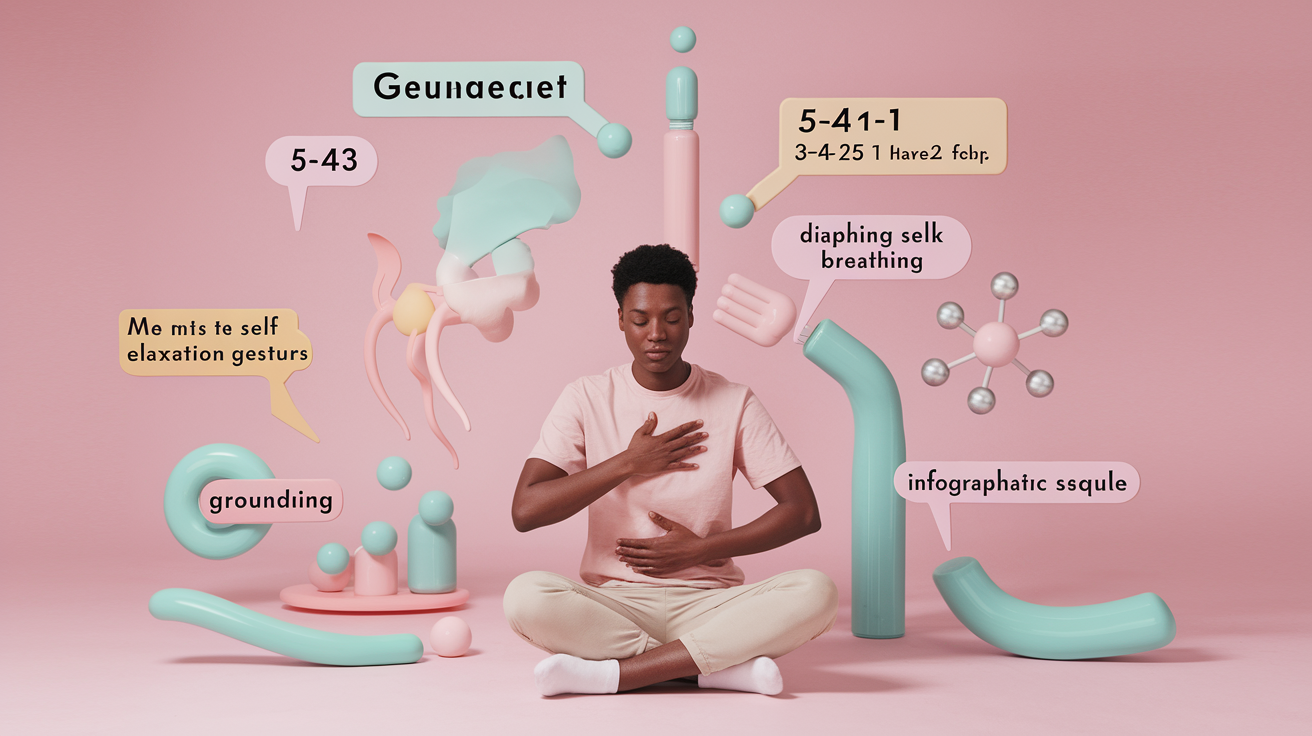
When chest tightness from anxiety hits, your nervous system is stuck in high alert. The goal of immediate relief is to signal your body that you’re safe and help it shift out of fight-or-flight mode.
Here are five techniques that work quickly:
Slow diaphragmatic breathing: Sit or lie down, place one hand on your chest and one on your belly. Breathe in slowly through your nose for a count of 4, let your stomach rise while your chest stays still, then exhale through your mouth for a count of 6. Repeat for 2 to 3 minutes. A longer exhale activates the calming branch of your nervous system.
5-4-3-2-1 grounding: Name 5 things you can see, 4 things you can touch, 3 things you can hear, 2 things you can smell, and 1 thing you can taste. This interrupts the panic loop and brings your focus back to the present moment.
Muscle relaxation with gentle stretching: Roll your shoulders backward and forward a few times, stretch your arms wide and let them drop, or place a hand over your heart and press gently while breathing slowly. Releasing physical tension helps relieve the chest tightness itself.
Reassuring self-talk: Say to yourself, “This feeling is uncomfortable but not dangerous,” or “My body is reacting to stress and it will pass.” Simple, calm statements reduce the fear spiral that makes symptoms worse.
Light movement: Take a short walk outside, do a few gentle yoga stretches, or sway side to side. Movement helps burn off adrenaline and shifts your nervous system out of freeze mode.
These methods work because they directly counter the physiological changes anxiety creates. Slow breathing rebuilds carbon dioxide levels in your blood, which reduces the urge to hyperventilate. Grounding techniques pull your attention away from internal sensations and quiet the alarm signals in your brain. Stretching releases the involuntary muscle clenching that creates pressure, and movement gives your body a way to complete the stress response cycle instead of staying stuck in it.
When Chest Tightness Requires Medical Attention
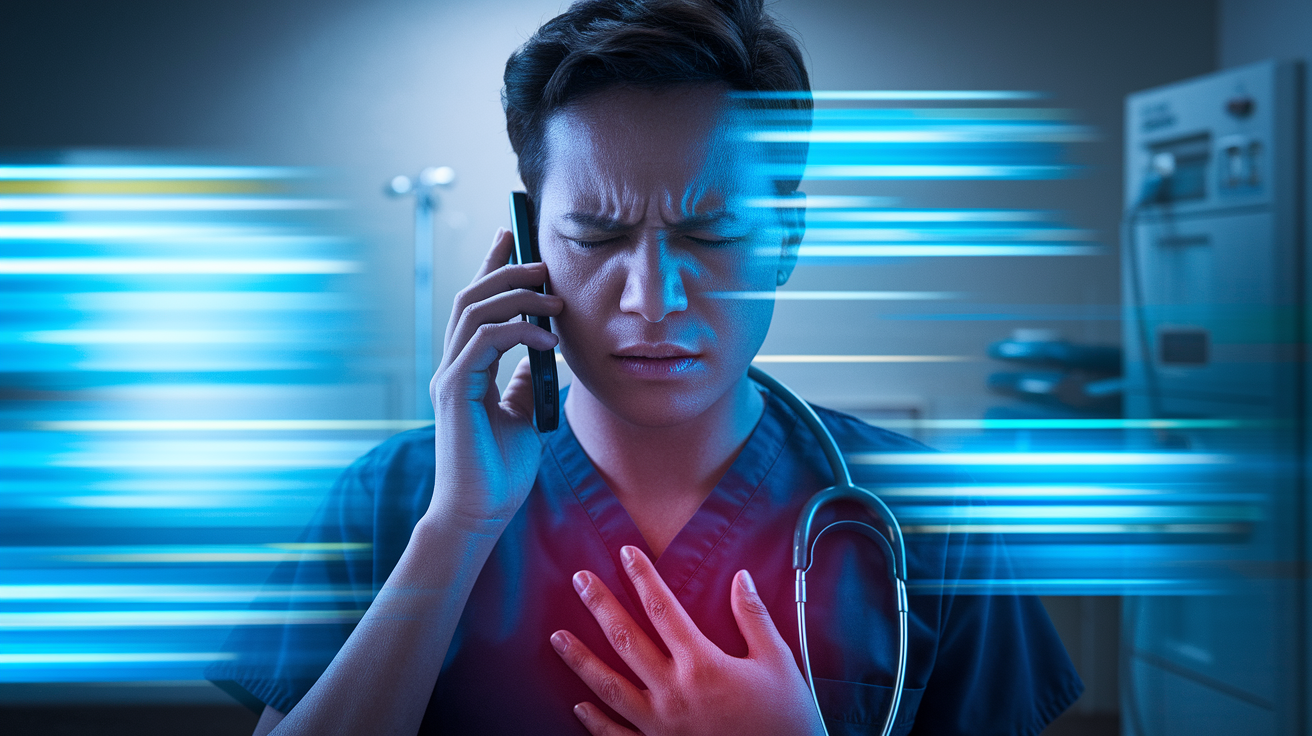
Even though chest tightness from anxiety is common and usually not dangerous, some symptoms should never be ignored. Seek immediate medical care if your chest pain is sudden and severe, spreads to your arm, jaw, neck, or back, or comes with heavy sweating, nausea, vomiting, or fainting. Also get help right away if you feel short of breath that doesn’t ease when you try calm breathing, if you feel dizzy or lightheaded in a way that’s new or concerning, or if the pain feels qualitatively different from any chest tightness you’ve felt before.
If you’ve never had chest pain before, it’s worth getting checked out, even if you think it might be anxiety. The same is true if your usual anxiety-related tightness suddenly changes, becomes more intense, lasts longer than 10 minutes without improvement, or starts happening during physical activity instead of just during stress. When you have risk factors like diabetes, high blood pressure, a family history of heart disease, smoking history, or obesity, chest pain deserves faster evaluation. It’s always safer to rule out a cardiac cause first, then work on managing anxiety once you know your heart is okay.
Common Accompanying Symptoms of Anxiety-Related Chest Tightness

Anxiety rarely shows up alone. When your nervous system is running hot, chest tightness is often just one piece of a larger physical response. Recognizing the full cluster of symptoms can help you understand what’s happening and confirm that anxiety, not a medical emergency, is the likely cause.
The most common companions to anxiety chest tightness are rapid heartbeat or palpitations, where your heart feels like it’s pounding, skipping, or fluttering. You might also notice shortness of breath or a sensation that you can’t get a full, satisfying breath, even though your oxygen levels are fine. Sweating or sudden hot flashes can appear out of nowhere, along with nausea or a fluttery, uncomfortable feeling in your stomach. Trembling or shaking, especially in your hands, and dizziness or lightheadedness are also frequent.
Here are the symptoms that most often cluster with anxiety-related chest tightness:
Rapid heartbeat or palpitations: the sensation that your heart is racing, pounding, or skipping beats
Shortness of breath or hyperventilation: feeling like you can’t catch your breath or fill your lungs completely
Sweating or hot flashes: sudden warmth, clamminess, or cold sweats unrelated to temperature
Nausea or stomach discomfort: queasiness, churning, or a tight, fluttery sensation in your belly
Trembling, shaking, or tingling: involuntary tremors in your hands or a pins-and-needles feeling in your fingers
These symptoms happen because your entire autonomic nervous system is activated, not just the part that controls your chest muscles. When adrenaline surges, it affects your heart, lungs, digestive tract, skin, and extremities all at once. Seeing these symptoms appear together is actually a useful pattern. It often confirms that what you’re feeling is anxiety rather than an isolated medical problem.
Long-Term Strategies to Reduce Anxiety and Prevent Chest Tightness

Short-term relief techniques help in the moment, but lasting change comes from lowering your baseline stress and building resilience over time. When your nervous system is less reactive day to day, you’ll have fewer episodes of chest tightness and recover more quickly when anxiety does spike.
One of the most effective approaches is regular physical activity. Exercise reduces circulating stress hormones, releases muscle tension, improves sleep, and gives your body a healthy outlet for nervous energy. You don’t need intense workouts. Even 20 to 30 minutes of walking, stretching, or light movement most days can make a noticeable difference. Sleep is just as important. Aim for 7 to 9 hours per night, and try to keep a consistent sleep and wake time. Poor sleep makes your nervous system more reactive and lowers your threshold for anxiety.
Here are six strategies that build resilience and reduce the frequency of chest tightness:
Regular aerobic exercise: walking, cycling, swimming, or dancing to lower stress hormones and improve mood regulation
Consistent sleep schedule: 7 to 9 hours per night with a regular bedtime to reduce nervous system reactivity
Limit caffeine, nicotine, and alcohol: stimulants and depressants can increase baseline anxiety and trigger chest tightness
Daily mindfulness or meditation practice: even 5 to 10 minutes of guided breathing or body-scan meditation reduces chronic tension
Cognitive-behavioral therapy or talk therapy: working with a therapist to identify triggers, challenge anxious thoughts, and develop coping skills
Medication when appropriate: if self-help measures aren’t enough, a doctor can guide decisions about anti-anxiety medication or other treatment options
These strategies work because they address the root patterns that keep your nervous system on high alert. Therapy helps you understand and reframe the thoughts that fuel anxiety. Exercise and sleep give your body the recovery it needs. Reducing stimulants removes triggers that mimic or worsen anxiety symptoms. And when needed, medication can provide the stability that makes it easier to practice new coping skills and rebuild a sense of safety.
Final Words
If your chest feels tight, here’s the short version: anxiety can tighten muscles, speed your breathing, and make the chest feel squeezed. This post explained why that happens, how to tell it apart from heart symptoms, quick relief moves, and the red flags that need care.
Try breathing or grounding, track timing and triggers, and share those notes with your clinician if it keeps happening.
With steady tracking and the low-risk tools above, most people notice less chest tightness from anxiety over time. You can get more comfortable.
FAQ
Q: How to loosen a tight chest from anxiety?
A: To loosen a tight chest from anxiety, use slow belly breathing (longer exhales), relax shoulders, sip water, ground yourself by naming things around you, and walk slowly. Seek help if pain is sudden or severe.
Q: What does an anxiety tight chest feel like?
A: An anxiety tight chest feels like pressure or a band across the chest, often with shortness of breath, lightheadedness, or a fluttering heart. It commonly shows up during stress and usually eases with calming.
Q: Does anxiety cause chest pain?
A: Anxiety can cause chest pain through muscle tension, rapid breathing, and a racing heart. It’s common and often not dangerous, but get urgent care for severe, spreading, or fainting episodes.
Q: What is the 3-3-3 rule of anxiety?
A: The 3-3-3 rule of anxiety is a grounding trick: name 3 things you see, touch 3 objects or name 3 things you feel, then take 3 slow breaths to bring focus back to the present.
Comments are closed