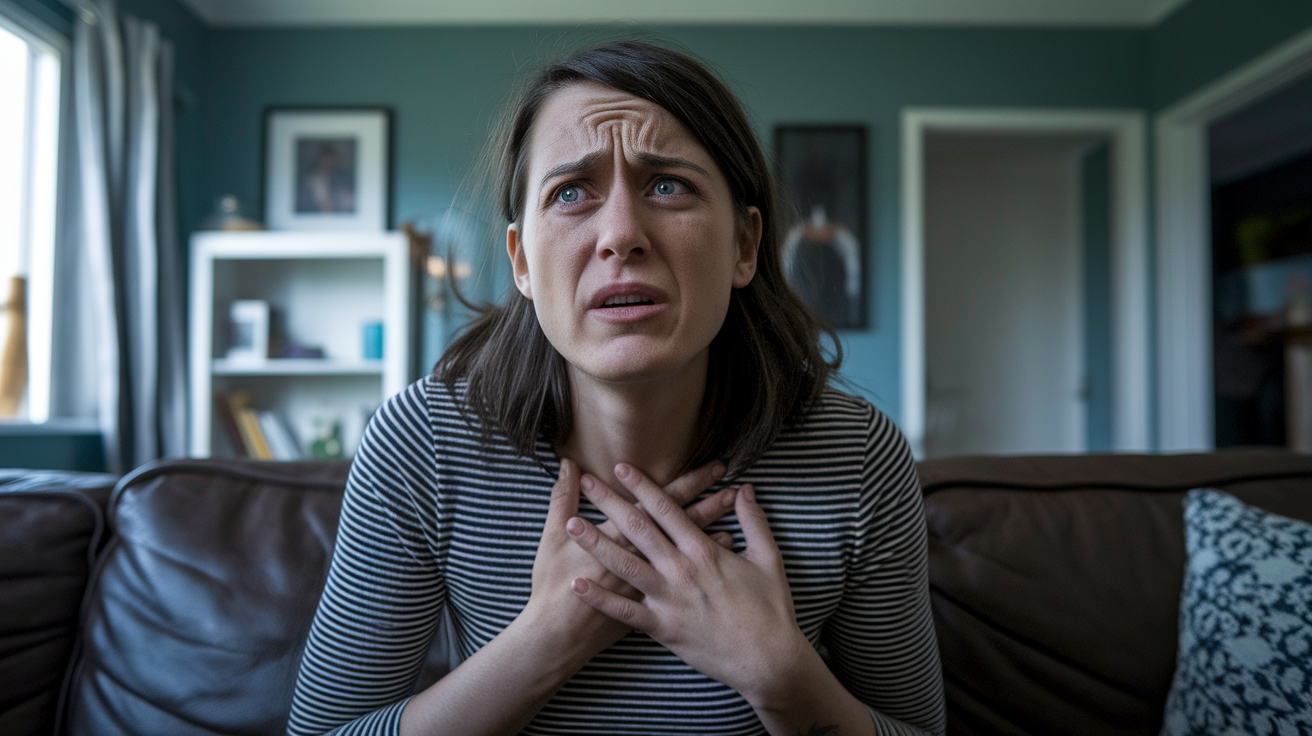
Is your heart suddenly pounding and you’re wondering if it’s anxiety or something worse?
A racing heart from anxiety feels like pounding, fluttering, or a fast thump in your throat and chest.
This happens when your body flips on its fight-or-flight system and pours out adrenaline.
This can feel scary, but most of the time there are simple ways to calm it down.
Read on to learn how to tell if anxiety is likely the cause, quick calming steps you can use now, what to track, and when to get urgent help.
Immediate Clarity on a Racing Heart Related to Anxiety
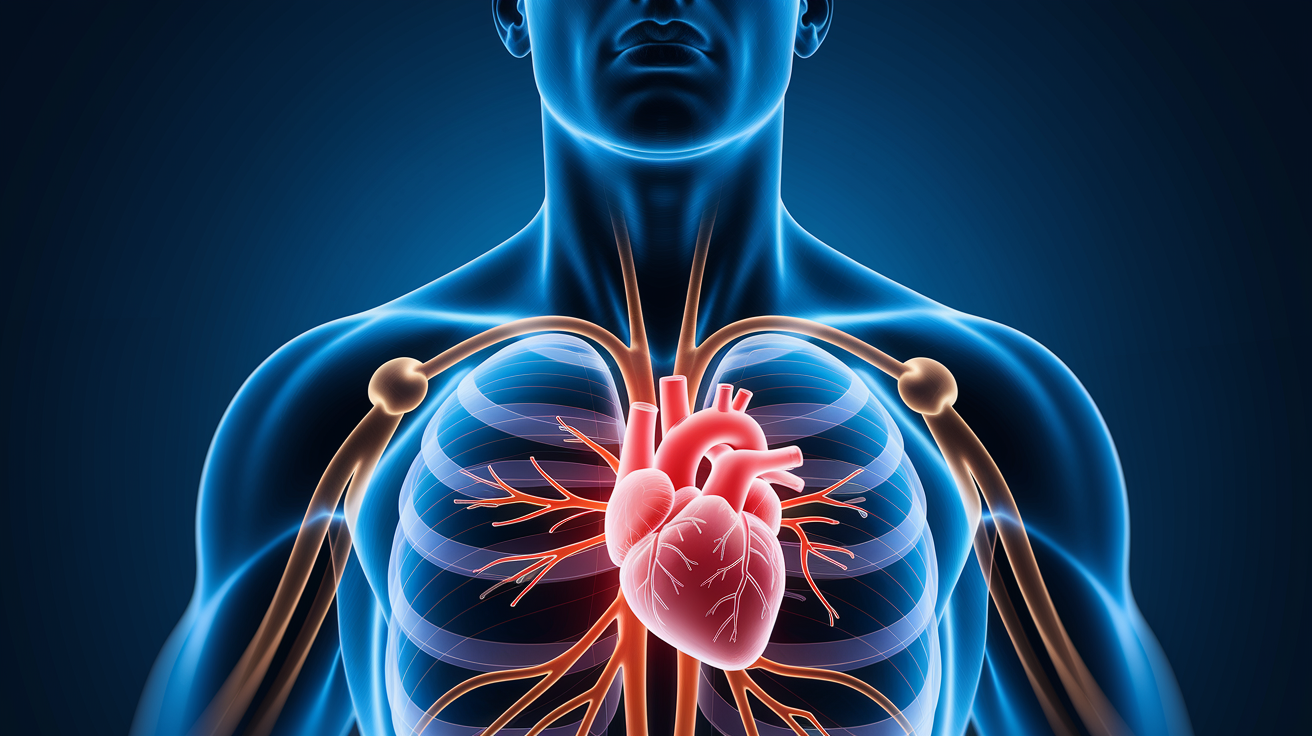
A racing heart from anxiety feels like your chest is pounding, fluttering, or beating way too fast. Sometimes so hard you can feel it in your throat or neck. It happens because anxiety flips on your autonomic nervous system, the part that runs your fight-or-flight response. When your brain spots a threat (real or just imagined), it dumps adrenaline into your body, which speeds up your heart to prep you to run or fight back. Doesn’t matter if the “threat” is a looming deadline, public speaking, or just worry about your health. Your body reacts the same way.
You’ll usually notice other stuff happening at the same time: fast or shallow breathing, tight shoulders or neck, queasy or fluttery stomach, sweating, or feeling suddenly wired but totally exhausted. These symptoms tend to show up together during stressful or panicky moments, and they usually ease once the situation passes or you do something to calm down.
Four quick signs your racing heart is probably anxiety:
- It kicks in during or right after something stressful. Before a presentation, after an argument, when you’re running late, or while you’re worrying hard.
- Your heart rate drops back to normal once you calm down, use deep breathing, or distract yourself.
- You don’t have chest pain, fainting, extreme tiredness, or shortness of breath that feels actually dangerous.
- The pattern repeats in similar situations (tight deadlines, health worries, social pressure) instead of popping up randomly when you’re calm or asleep.
Physiological Breakdown of Anxiety-Driven Rapid Heartbeat
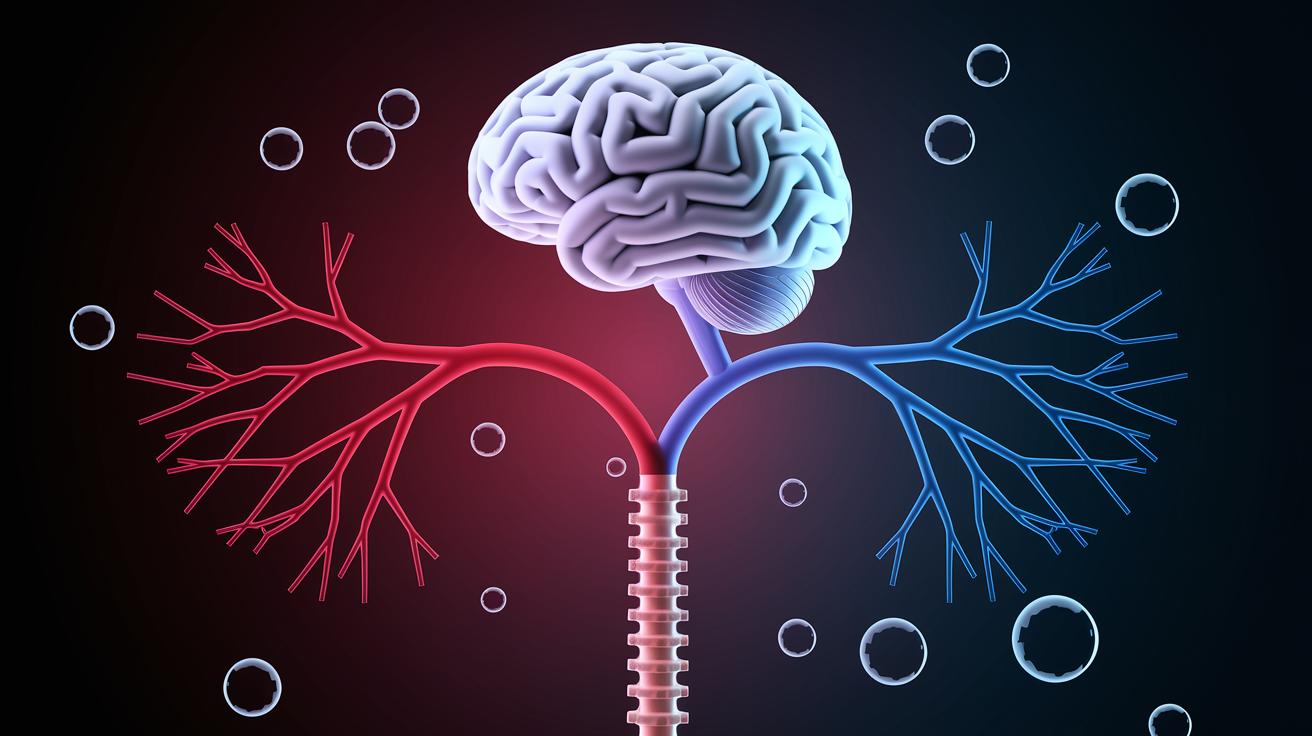
When anxiety hits, your autonomic nervous system splits into two branches: sympathetic (fight-or-flight) and parasympathetic (rest-and-digest). During an anxious moment, your sympathetic system takes over. It releases adrenaline and cortisol, which jack up your heart rate, speed up your breathing, tense your muscles, and pull blood away from your digestive system. This whole cascade exists to help you survive immediate danger, but it fires just as easily when you’re worried about something that isn’t life-threatening.
As your heart races, your breathing gets faster and shallower, your hands shake, your stomach feels tight or nauseated, and your thoughts start looping. These physical sensations can then amp up your anxiety. Your racing heart makes you more scared, which makes your heart race faster. This feedback loop is why anxiety-related palpitations can feel so intense even though they’re usually harmless.
How the Vagus Nerve Can Slow Your Heart
The vagus nerve is the main pathway of your parasympathetic nervous system. Acts like a brake pedal for your heart rate. When you stimulate the vagus nerve, it sends signals that slow your heart and calm your body. Simple actions that engage this nerve can interrupt the racing-heart cycle:
- Taking slow, deep breaths that expand your belly and lengthen your exhale.
- Splashing cold water on your face or briefly dunking your face in a bowl of cold water.
- Humming, singing, or gargling, which gently activates vagal tone.
Distinguishing Anxiety Palpitations from Cardiac Issues
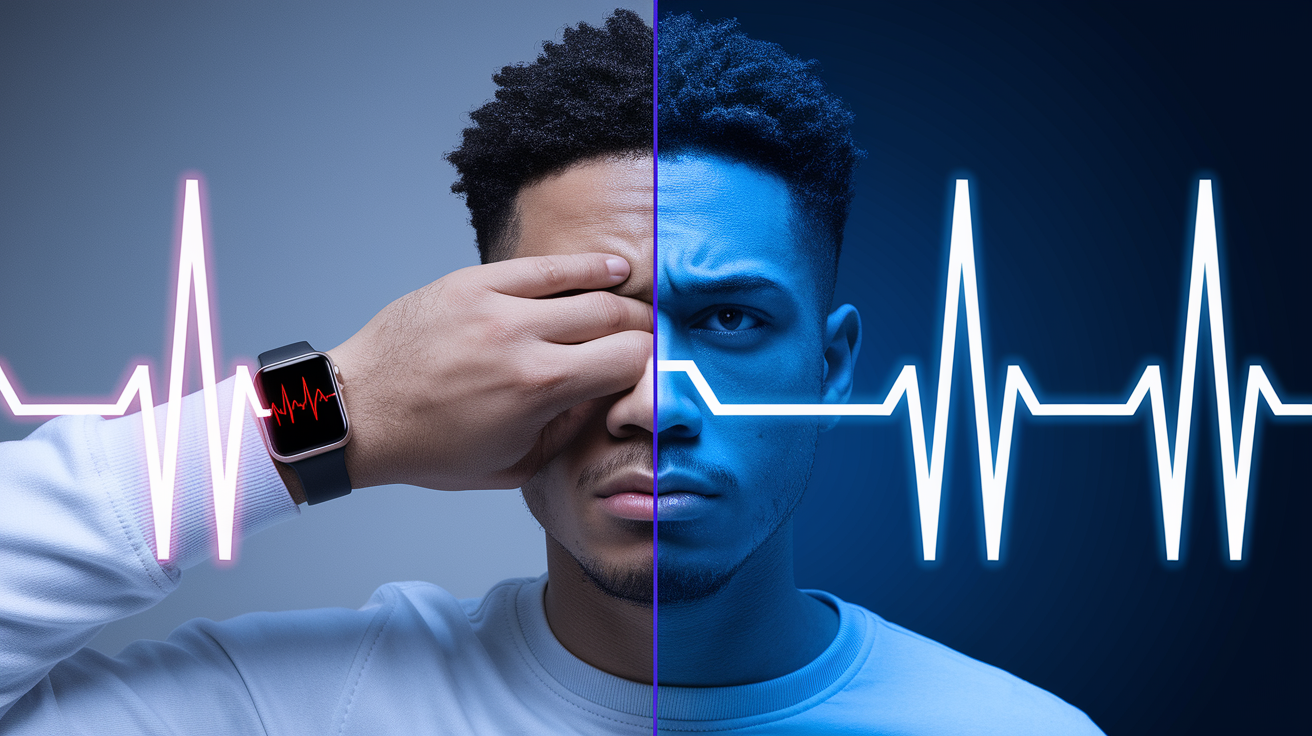
The timing and triggers of your palpitations offer important clues. Anxiety-related palpitations usually show up during or right after a stressful event (tight deadlines, confrontations, caffeine on an empty stomach, a worry spiral), and they ease as you calm down. Palpitations caused by an arrhythmia like atrial fibrillation (AFib) often appear at random times, including when you’re calm, relaxed, or even asleep. They may last longer or feel more erratic.
Anxiety Pattern
Anxiety palpitations usually track with your emotional state. They come on during moments of stress or panic, and they settle when you use breathing exercises, distraction, or other calming techniques. They rarely cause chest pain, fainting, or extreme fatigue. They don’t require emergency intervention if they follow this predictable pattern.
Arrhythmia Pattern
Arrhythmia-related palpitations, especially AFib, can happen without any emotional trigger. They may feel irregular or chaotic rather than simply fast, and they can stick around for minutes to hours. If left untreated, AFib increases the risk of stroke, heart failure, worsening shortness of breath, and persistent fatigue. Any palpitations that include chest pain, fainting, or extreme breathlessness need urgent evaluation.
| Feature | More Typical of Anxiety or Arrhythmia |
|---|---|
| Duration | Anxiety: seconds to a few minutes. Arrhythmia: can last minutes to hours. |
| Triggers | Anxiety: stress, caffeine, worry, panic. Arrhythmia: random, can occur at rest or asleep. |
| Resolution | Anxiety: eases with breathing, distraction, or calming down. Arrhythmia: may persist despite relaxation. |
| Associated symptoms | Anxiety: rapid breathing, muscle tension, queasy stomach. Arrhythmia: chest pain, fainting, extreme fatigue. |
| Occurrence at rest/asleep | Anxiety: rare. Arrhythmia: common. |
Fast Calming Techniques for a Racing Heart Caused by Anxiety
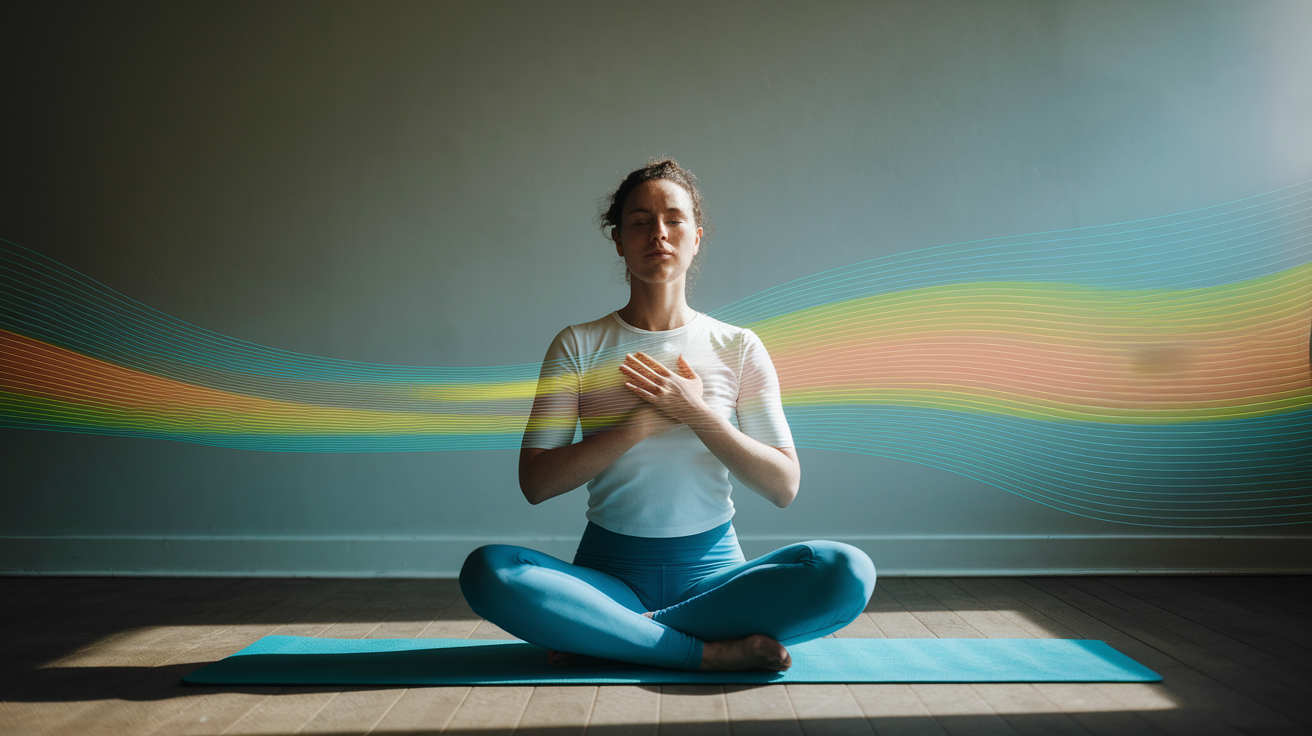
Deep breathing works because it directly counters the fight-or-flight response. When you slow your breathing and lengthen your exhale, you activate your parasympathetic nervous system, which signals your body to calm down. This lowers your heart rate, reduces adrenaline, and interrupts the cycle of physical symptoms feeding into more anxiety.
Here’s a simple diaphragmatic breathing technique you can use anywhere:
- Sit or lie down in a quiet spot. Close your eyes if that feels comfortable.
- Place one hand on your chest and one hand on your abdomen, just below your ribcage.
- Inhale slowly through your nose, letting your abdomen rise while keeping your chest relatively still. Count to four as you breathe in.
- Exhale slowly through your nose or mouth, letting your abdomen fall. Count to six or longer as you breathe out. Repeat this pattern for two to five minutes or until your heart rate begins to settle.
Grounding Techniques to Pull You Out of the Panic Loop
Grounding exercises work by shifting your attention away from internal sensations and worry and back to the present moment. One of the most effective methods is the 5-4-3-2-1 technique, which uses your senses to anchor you:
- Name 5 things you can see around you. A chair, a window, the edge of a table, a shadow, a plant.
- Name 4 things you can physically feel. Your feet on the floor, the texture of your shirt, the cool air on your skin, the weight of your hands in your lap.
- Name 3 things you can hear. Traffic outside, the hum of a refrigerator, your own breathing, a distant voice.
- Name 2 things you can smell. Coffee, soap, fresh air, or even just the absence of smell.
- Name 1 thing you can taste. A lingering flavor in your mouth, a sip of water, or the inside of your cheek.
Vagal Maneuvers That May Help Slow a Stress-Driven Pulse
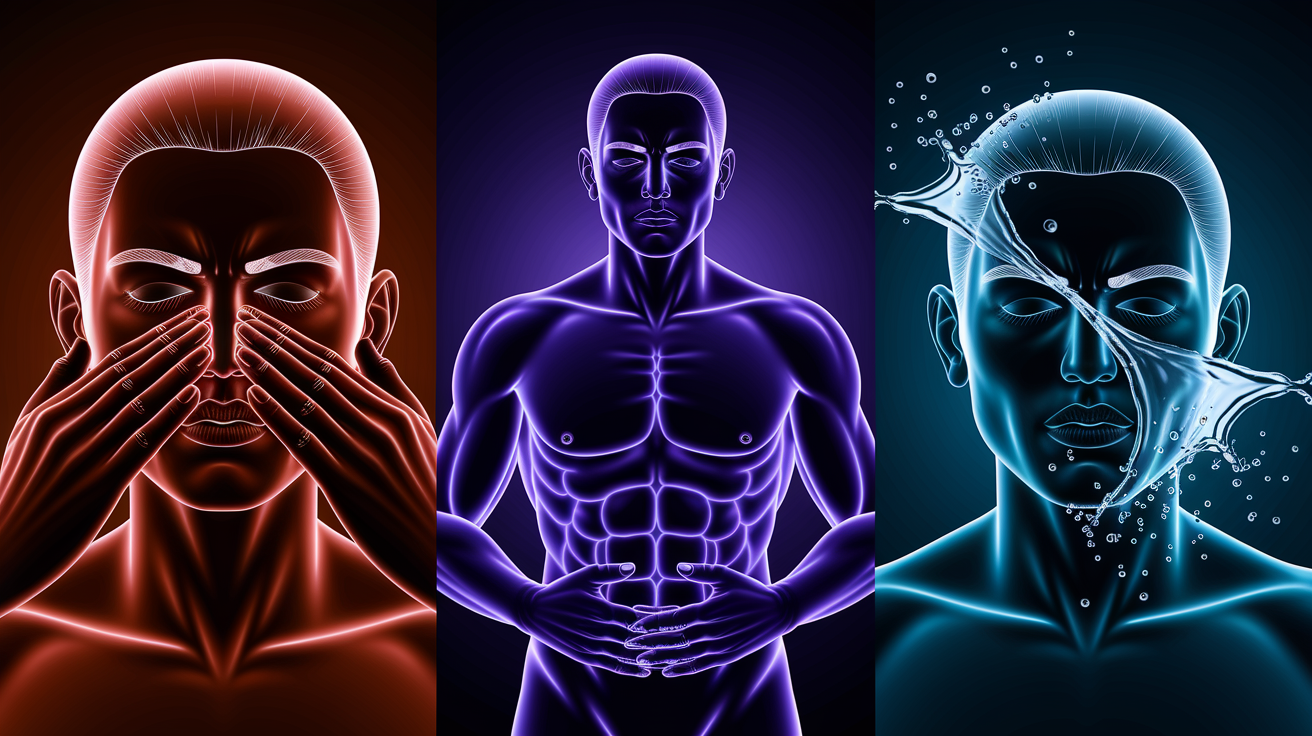
Vagal maneuvers are physical actions that stimulate the vagus nerve, which can help slow a racing heart by activating your parasympathetic nervous system. These techniques are generally safe for healthy people and can be tried at home when you’re confident your palpitations are anxiety-related and not a cardiac emergency.
Here are three common vagal maneuvers with brief instructions:
- Valsalva maneuver: Pinch your nose closed with your fingers, close your mouth, and try to breathe out forcefully through your nose as if you’re trying to pop your ears on an airplane. Hold for 10 to 15 seconds, then release. This creates pressure that can help reset your heart rate.
- Bear-down technique: Tighten your abdominal muscles and your anal sphincter, then bear down as if you’re trying to have a bowel movement. Hold the strain for 10 to 15 seconds, then release. This activates the same vagal response as the Valsalva maneuver.
- Cold-water face splash: Splash cold water on your face, or fill a sink or large bowl with cold water and briefly dunk your face for a few seconds. The cold shock stimulates the vagus nerve and can slow your heart rate quickly.
If you try these maneuvers and your heart rate doesn’t slow within a few minutes, or if you start to feel worse (chest pain, dizziness, trouble breathing), stop and seek urgent medical care. These techniques aren’t substitutes for emergency evaluation when something feels seriously wrong.
Common Non-Anxiety Triggers That Can Cause a Racing Heart
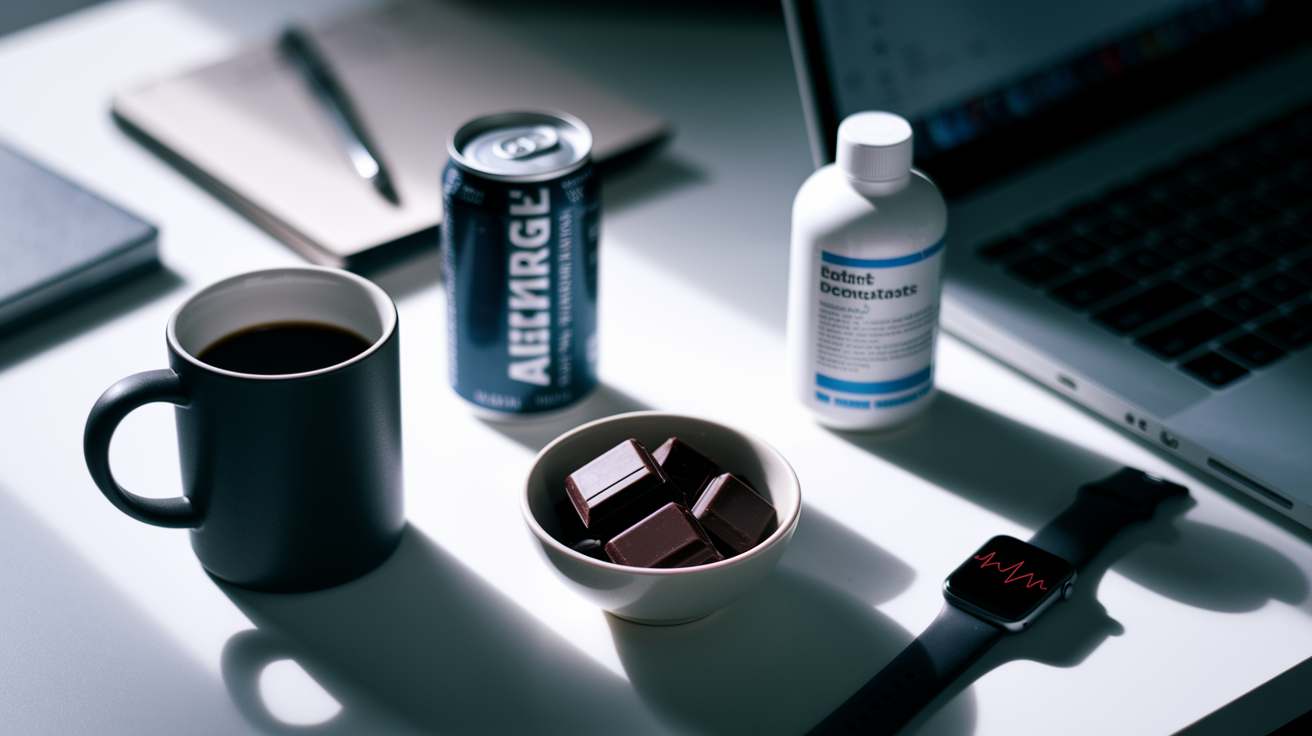
Even if you’re feeling calm, certain substances and physiological factors can make your heart race in ways that mimic or worsen anxiety. Caffeine is one of the most common culprits. Some people tolerate three cups of coffee without issue, while others get palpitations from a single espresso, especially on an empty stomach. Alcohol can also trigger palpitations, particularly during binge drinking or the day after heavy intake, a pattern sometimes called “holiday heart.”
Over-the-counter decongestants that contain pseudoephedrine can speed up your heart rate and make you feel jittery. Eating large amounts of chocolate, especially dark chocolate with high caffeine content, can have a similar effect. Electrolyte imbalances (low potassium, magnesium, or sodium) can disrupt your heart’s electrical signals, and low blood sugar from skipping meals or overexercising can also cause a racing pulse.
Other common non-anxiety triggers:
- High caffeine intake, especially if consumed quickly or on an empty stomach.
- Alcohol, particularly binge drinking or heavy intake the previous night.
- Medications containing pseudoephedrine or other stimulants.
- Low blood sugar from skipping meals, fasting, or intense exercise without adequate fuel.
- Electrolyte imbalances from dehydration, vomiting, diarrhea, or certain medications.
- Large, heavy meals that divert blood flow to digestion and can temporarily stress your cardiovascular system.
When a Racing Heart Requires Urgent or Emergency Evaluation

Most anxiety-related palpitations are harmless and short-lived, but certain symptoms indicate a potential cardiac problem that requires immediate medical attention. If your racing heart is accompanied by chest pain or pressure (especially if it radiates to your jaw, neck, shoulder, or arm), call 911 or have someone drive you to an emergency department. Chest pain combined with palpitations can signal a heart attack or dangerous arrhythmia. Waiting to see if it passes can be risky.
Other red flags include fainting or near-fainting, extreme shortness of breath that makes it hard to speak or move, profuse sweating that soaks through your clothes, or a sense of impending doom that feels qualitatively different from your usual anxiety. If your palpitations last more than a few minutes and you’re not feeling anxious, or if they keep coming and going while you’re calm or resting, it’s time to get evaluated. Even if you suspect anxiety, persistent or unexplained palpitations warrant a medical workup to rule out arrhythmia or other heart conditions.
Five situations that require urgent or emergency evaluation:
- Chest pain, pressure, or heaviness, especially if it spreads to your jaw, neck, shoulders, or arms.
- Fainting, near-fainting, or severe dizziness that makes it hard to stand or stay conscious.
- Extreme shortness of breath that feels dangerous or prevents you from speaking in full sentences.
- Profuse sweating, nausea, or a sense of doom that feels different from typical anxiety.
- Palpitations that last more than a few minutes without an obvious anxiety trigger, or that come and go randomly while you’re calm or asleep.
Medical Testing Options for Recurring Palpitations
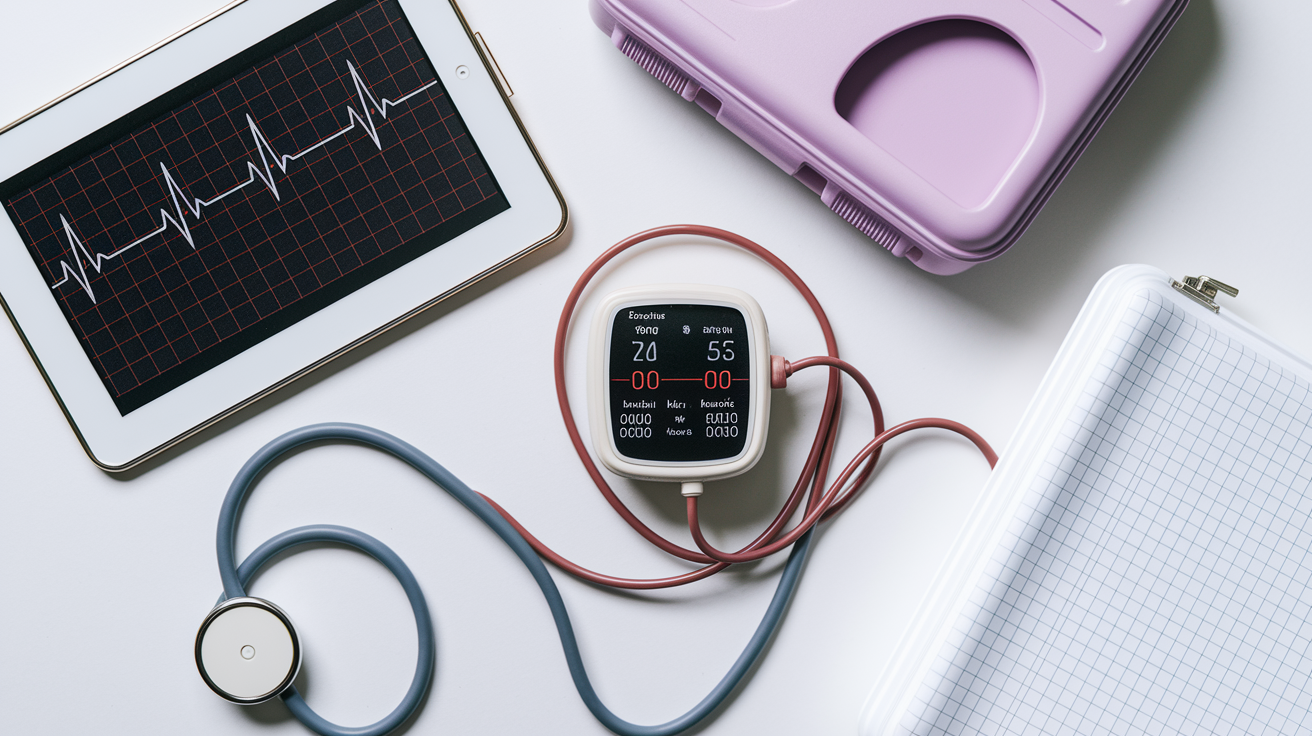
If you’re experiencing palpitations frequently or they worry you, tracking them at home can provide useful information before you see a doctor. Newer smartphones and smartwatches often include heart-rate sensors and some can detect irregular rhythms that may suggest atrial fibrillation. Home blood pressure cuffs can measure your pulse along with your blood pressure (normal readings are typically around 120 over 80), and pulse oximeters can show your heart rate and oxygen saturation. While these consumer devices aren’t diagnostic tools, they can help you document patterns and give your clinician objective data.
When you see a doctor, they may order formal testing to assess your heart’s rhythm and rule out arrhythmias. An electrocardiogram (ECG) is a quick, painless test that records your heart’s electrical activity in real time. Useful if you’re having palpitations during the office visit, but it won’t catch intermittent episodes. For that, your clinician may recommend a Holter monitor, which you wear for 24 to 48 hours or longer, or an event monitor that you activate when symptoms occur.
ECG vs. Holter: What’s the Difference
An ECG captures a single snapshot of your heart’s electrical activity during the few seconds or minutes you’re hooked up to the machine. A Holter monitor continuously records your heart rhythm over one or two days, capturing episodes that happen sporadically. Both are noninvasive and help distinguish between anxiety-related palpitations and arrhythmias that require treatment.
| Test | What It Shows |
|---|---|
| ECG (Electrocardiogram) | Real-time snapshot of heart rhythm and electrical activity; useful for immediate assessment. |
| Holter Monitor | Continuous 24–48 hour recording; captures intermittent palpitations and rhythm changes over time. |
| Event Monitor | Worn for days to weeks; you activate it when symptoms occur, recording episodes as they happen. |
Long-Term Strategies to Reduce Anxiety-Related Heart Racing
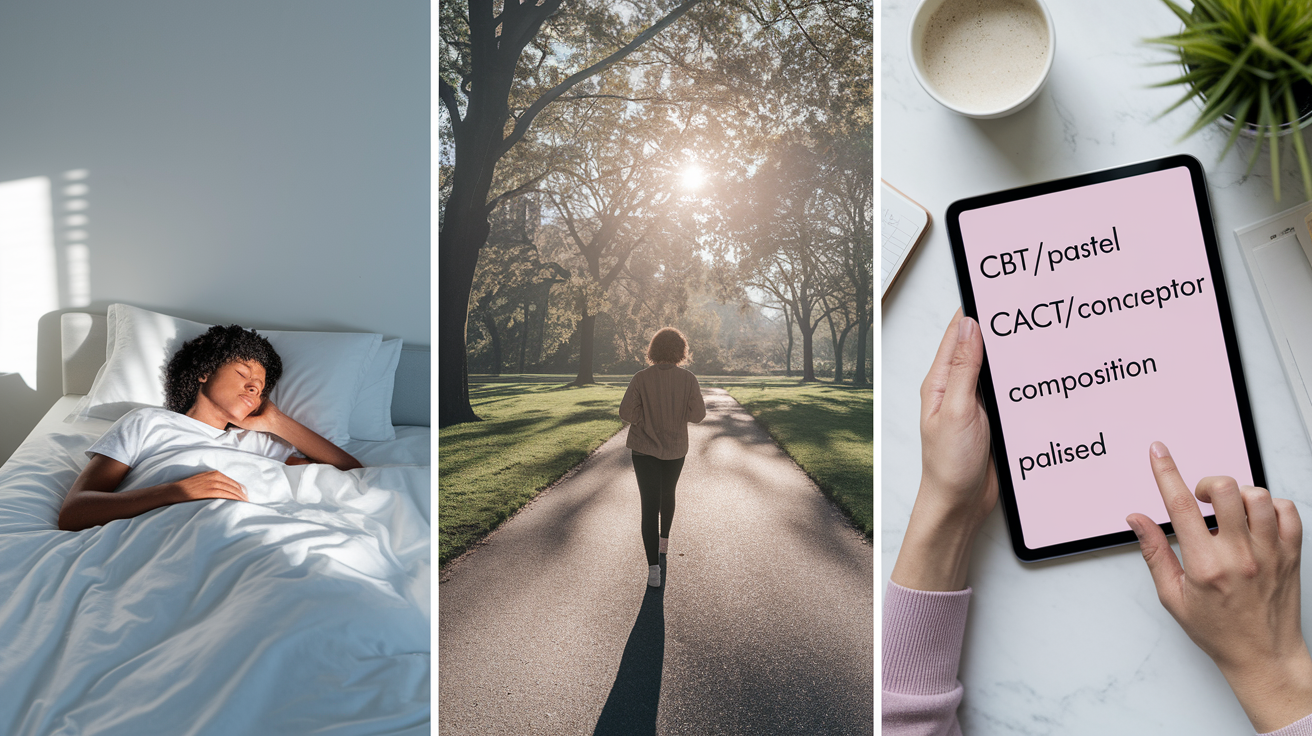
Stabilizing your daily routine can lower the baseline stress that primes your body for palpitations. Consistent sleep is one of the most powerful tools. Aim for seven to nine hours per night, keep a regular sleep schedule, and create a calm wind-down routine that limits screens and stimulating activities before bed. Regular physical activity, especially moderate aerobic exercise like brisk walking, cycling, or swimming, helps regulate your autonomic nervous system and can reduce both anxiety and palpitations. Start with 20 to 30 minutes most days and build from there.
Therapeutic approaches like cognitive behavioral therapy (CBT) can help you identify and change thought patterns that fuel anxiety and the physical symptoms it triggers. CBT teaches you to challenge catastrophic thinking (like “my racing heart means I’m having a heart attack”) and replace it with more balanced, evidence-based interpretations. Acceptance and commitment therapy (ACT) is another option that focuses on accepting uncomfortable sensations without fighting them, which can reduce the intensity of palpitations over time.
Daily habits that lower your risk of anxiety-driven palpitations:
- Limiting caffeine to one or two servings per day, and avoiding it on an empty stomach or late in the day.
- Reducing alcohol intake and avoiding binge drinking, which can trigger palpitations even the next day.
- Practicing short relaxation exercises (five minutes of deep breathing, a body scan, or gentle stretching) during stressful moments or as part of your morning or evening routine.
- Building regular stress-reduction activities into your week, such as meditation, yoga, time in nature, or hobbies that help you feel grounded.
Tracking Triggers and Preparing for Medical Visits About Heart Racing
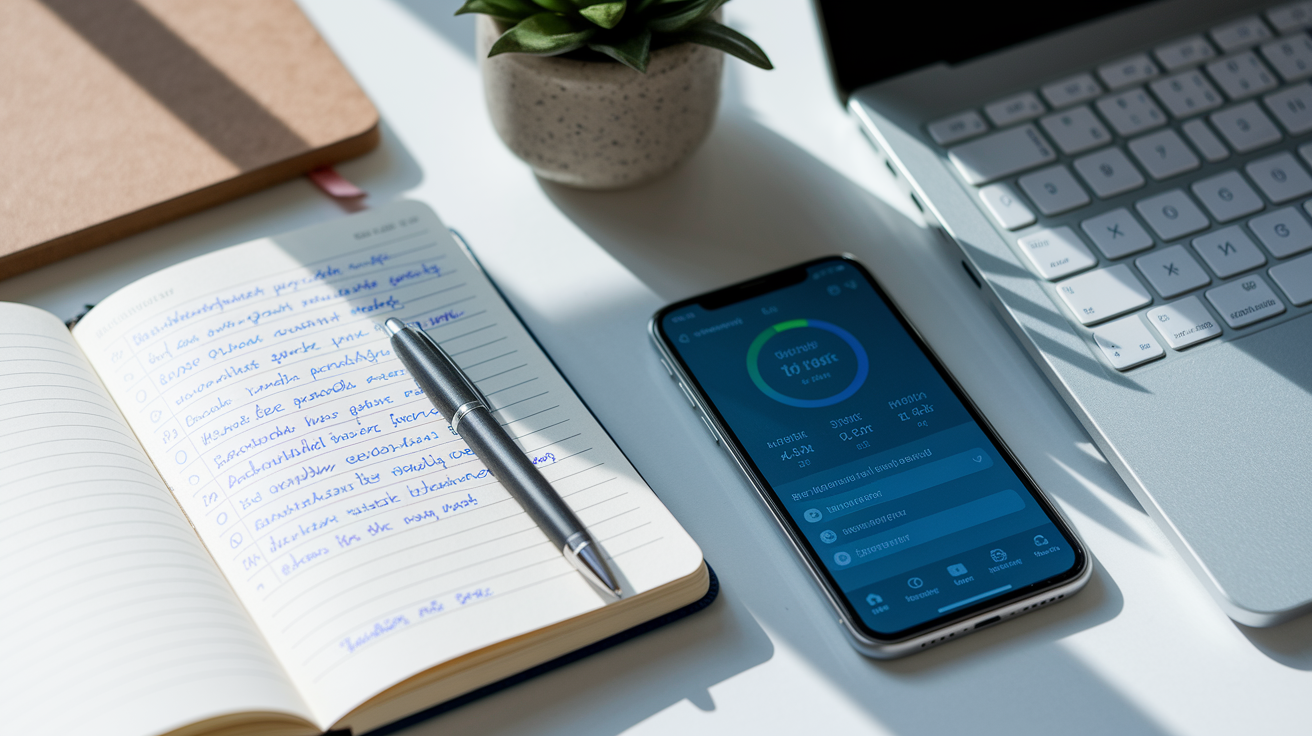
Keeping a simple symptom diary can help you and your clinician figure out what’s causing your palpitations and whether they’re anxiety-related or need further workup. Each time your heart races, jot down the date, time, what you were doing, how long it lasted, what you ate or drank beforehand, your stress level on a scale of 0 to 10, and any other symptoms you noticed. Over a week or two, patterns often emerge. Palpitations after your second coffee, during arguments, the week before your period, after poor sleep, or randomly at rest.
When you see your doctor, bring your symptom log and be ready to describe what you’ve noticed and what you’ve tried. Clear information helps your clinician distinguish between anxiety, lifestyle triggers, and cardiac causes. It speeds up the diagnostic process so you can get appropriate care or reassurance sooner.
Four key questions to ask your doctor during your visit:
- Based on my symptom pattern, do these palpitations suggest anxiety, a cardiac arrhythmia, or another cause like thyroid issues or medication side effects?
- Do you recommend any testing (ECG, Holter monitor, blood work) to rule out heart rhythm problems or other medical conditions?
- Are there specific triggers I should avoid or track more carefully, such as caffeine, alcohol, certain foods, or over-the-counter medications?
- What should I do if my palpitations get worse, last longer, or start happening when I’m calm or asleep, and at what point should I seek urgent care?
Final Words
If your heart starts pounding during stress, this post explained how it feels, why fight-or-flight kicks in, and how to tell anxiety palpitations from heart problems.
We gave fast fixes—diaphragmatic breathing, grounding, and safe vagal moves—plus lifestyle steps and tracking tips to lower intensity. We flagged emergency signs and test options so you know when to seek care.
Track timing, triggers, and what helps for your clinician. With steady steps and simple practices, you can often reduce a racing heart from anxiety and feel more in control.
FAQ
Q: How to calm an anxious heart? / How to stop heart racing with anxiety?
A: Calming an anxious heart and stopping anxiety-driven racing starts with slow belly breathing, sit and place a hand on your abdomen, sip water, step outside for a short walk, and use grounding. Seek care if it stays intense.
Q: Do Zoloft heart palpitations go away?
A: Zoloft (sertraline) heart palpitations may go away as your body adjusts over days to weeks. Tell your prescriber if they start, worsen, or don’t improve—do not stop medication without medical advice.
Q: Can anxiety cause elevated heart rate all day?
A: Anxiety can cause elevated heart rate all day when stress or worry is constant. If your pulse stays high despite relaxation, track timing and triggers, and see a clinician to rule out other causes.
Comments are closed