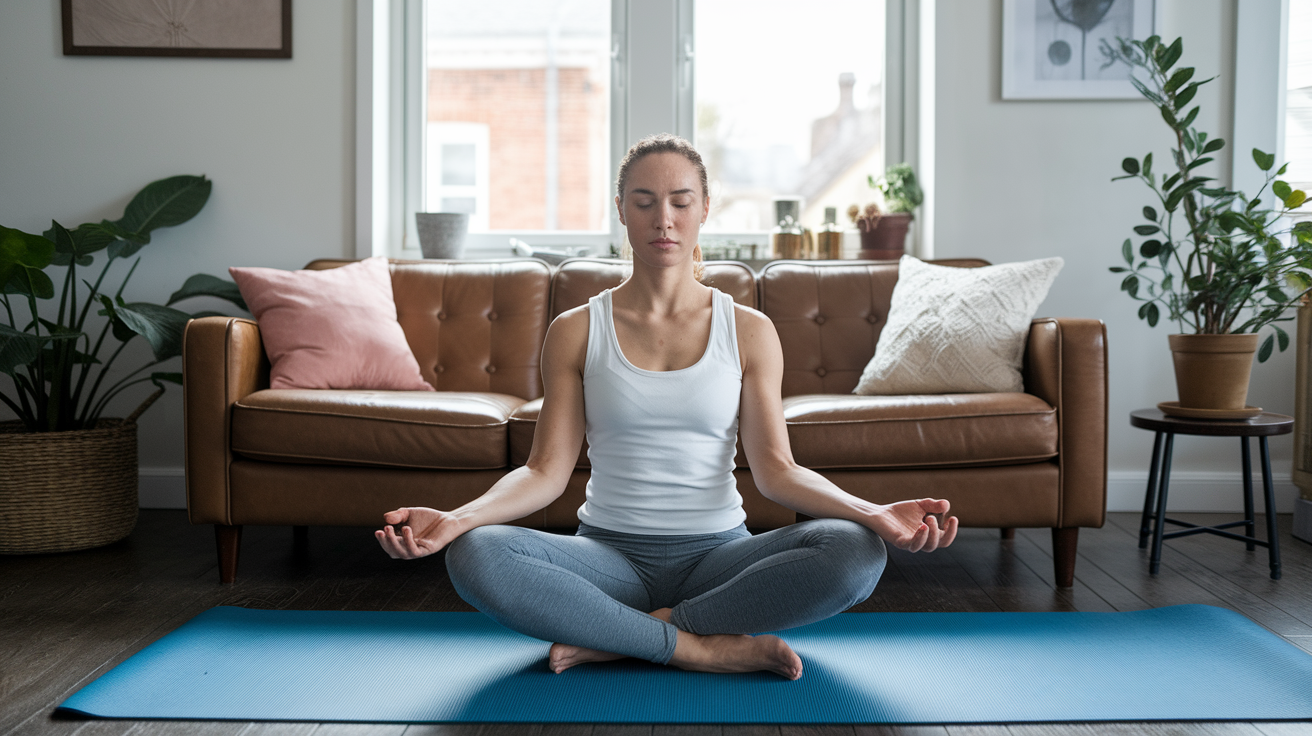
What if the panic that hits you before a meeting could be slowed down in minutes?
Sudden social anxiety can feel like you’ve lost the steering wheel. You’re not imagining it, and you’re not alone.
This short guide shows practical, fast-acting steps that often calm a spike in 1 to 30 minutes: breathing patterns, grounding, posture resets, quick thought labeling, and simple tracking you can bring to a doctor or therapist.
These tools don’t erase anxiety forever, but they give you something reliable to grab onto fast and help figure out what to try next.
Key Immediate Strategies for Sudden Social Anxiety Onset Relief
Sudden social anxiety doesn’t wait for a convenient moment. It can hit fast and feel like you’ve lost the steering wheel. You’re not imagining it, and you’re not alone in this.
Triggers? They’re usually hiding in plain sight. Recent sleep changes. A rough few days at work. New medication. Jumping back into social stuff after being solo for months. Caffeine on an empty stomach. Sometimes one stressful event just flips something. Look back at the week or two before symptoms showed up. You’ll often find what shifted.
Here’s the good news: you can interrupt this thing in real time. Short physiological and grounding methods work by cutting into the body’s arousal cycle and yanking your attention back into now. These don’t cure anxiety. But they can knock down peak symptoms fast, usually within a few minutes to under an hour.
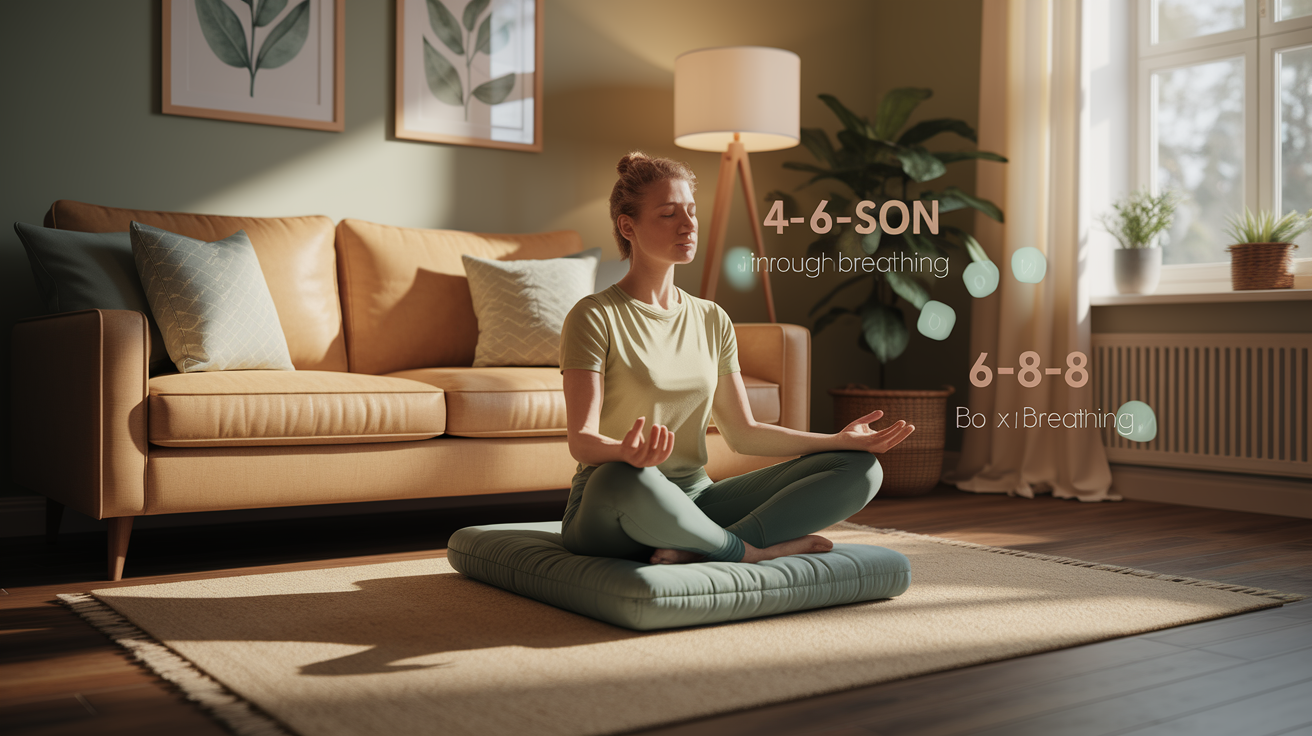
Diaphragmatic breathing works like this: breathe in slowly through your nose for 4 to 6 seconds, then out through your mouth for 6 to 8 seconds. Do this for 3 minutes or about 6 to 12 full cycles. Your heart rate drops and your nervous system gets the message to back off.
Box breathing is even simpler. Inhale 4 seconds, hold 4, exhale 4, hold 4. Repeat for 1 to 3 minutes. The structure makes it easy to remember when you’re in the middle of acute panic.
5-4-3-2-1 grounding pulls you out of your head. Name 5 things you see right now, 4 you can touch, 3 you hear, 2 you smell, and 1 you taste. Takes 1 to 3 minutes and redirects focus away from the spiral.
Quick cognitive labeling sounds basic, but it works. Label what you’re feeling out loud or silently: “anxiety, 60 out of 100.” Pick one coping action like breathing or grounding. Set a timer for 10 minutes and check in again. This creates a pause and stops catastrophic thinking from taking over.
Posture resets are underrated. Drop your shoulders deliberately. Soften your jaw. Loosen your grip if you’re clenching. Physical tension feeds the anxiety loop, and releasing it can interrupt the whole thing within seconds.
Most people notice their acute symptoms ease up within a few minutes when using these. If you’re having a panic episode, expect the worst to pass in 20 to 60 minutes when you combine grounding with breathing. These tools don’t replace longer work, but they give you something solid to grab onto when symptoms spike.
Identifying the Root Causes Behind Sudden Social Anxiety Symptoms
Your body doesn’t flip into fight-or-flight for no reason, even when the cause isn’t obvious right away. Sudden anxiety onset usually reflects some mix of medical, emotional, or situational triggers. Understanding what might be driving the shift helps you figure out whether this is temporary, something to flag with a doctor, or the beginning of a pattern that needs treatment.
Common reasons include:
Medical stuff. Thyroid problems (especially hyperthyroidism), low blood sugar, anemia, heart rhythm issues, or vitamin deficiencies can all create or worsen anxiety.
Substances. Caffeine over 200 to 300 mg per day, energy drinks, certain cold meds with stimulants, or recreational drug use can trigger acute anxiety or panic.
New medications. Some prescriptions list anxiety as a side effect. Certain antibiotics, asthma drugs, or ADHD stimulants can do this. If symptoms started within 1 to 2 weeks of a new med, tell your prescriber.
Sleep deprivation. Missing sleep for a few nights or chronic poor-quality sleep lowers your stress threshold and amplifies social worry.
Social re-entry. Returning to work, school, or group settings after months of isolation (think post-pandemic) can create a sudden surge in social anxiety, even if you were fine before.
Acute stress events. Job changes, relationship conflicts, financial pressure, grief, or moving to a new city can all shift anxiety levels quickly.
Consider a basic medical evaluation if the onset is truly abrupt with no obvious emotional or situational trigger. Especially if you’ve got physical symptoms like persistent rapid heart rate, unexplained weight changes, or extreme fatigue. A simple thyroid panel and blood glucose check can rule out common medical mimics. If recent stress or a medication change lines up with the timing, start there.
Structured Skill-Building Techniques for Ongoing Anxiety Reduction
Immediate grounding and breathing work well in the moment. But structured, repeatable skills build a foundation that reduces both the intensity and frequency of anxious episodes over time. These target the muscular tension and mental looping that keep anxiety going after the initial spike.
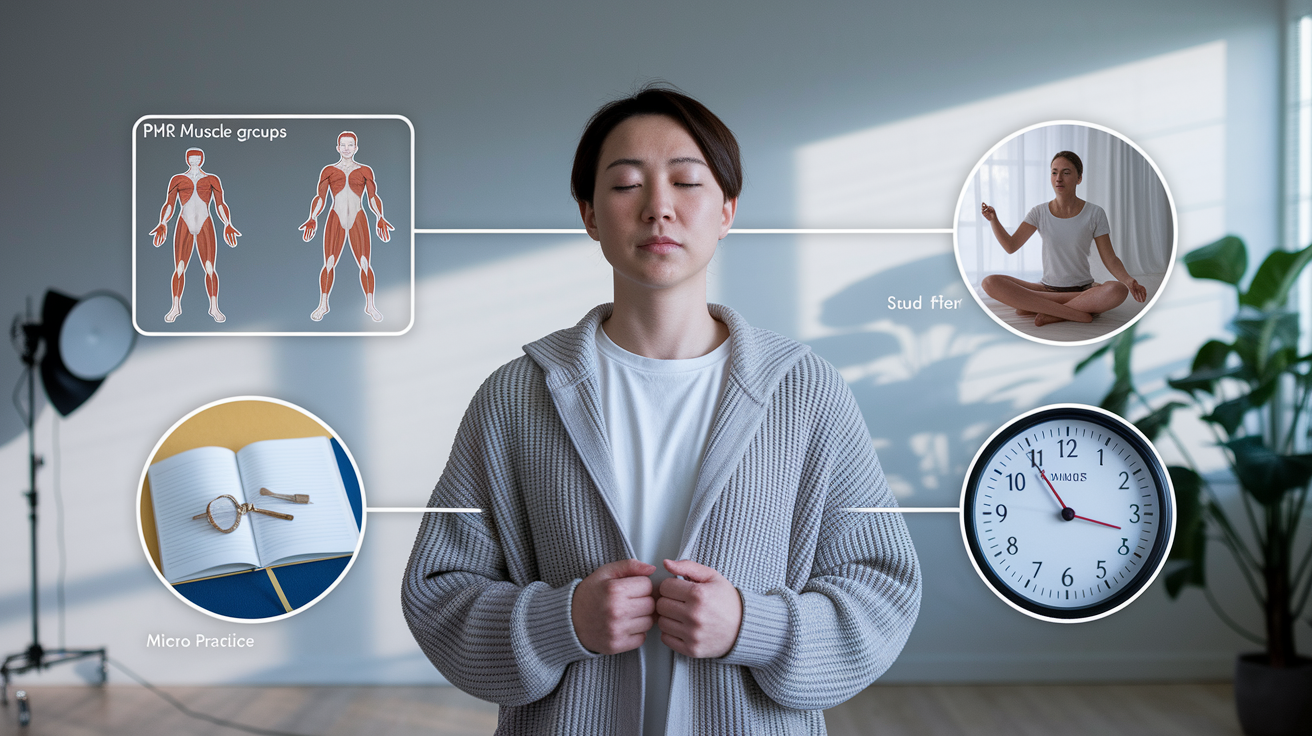
Progressive muscle relaxation (PMR) involves tensing and then releasing 8 to 10 muscle groups in sequence. Start with your hands and move through your arms, shoulders, face, chest, abdomen, and legs. Each tense-hold lasts about 5 seconds, followed by 10 to 15 seconds of release. The full cycle takes 10 to 15 minutes. PMR works by teaching your body to recognize the difference between tension and relaxation, which reduces baseline physical arousal.
Mindfulness micro-practices are not full meditation sessions. They’re brief attention-shifting pauses that interrupt anxious thought spirals. Observe your breath without changing it for 2 to 3 minutes. Do a quick body scan while waiting in line. These give your brain short breaks from rumination.
Expect these skills to lower symptoms during the session itself and to build cumulative benefit when practiced daily or several times per week. Most people notice that peak anxiety becomes less overwhelming and shorter-lasting after 2 to 4 weeks of regular practice.
| Technique | Time Required | Main Effect |
|---|---|---|
| Progressive muscle relaxation (PMR) | 10–15 minutes | Reduces muscular tension and lowers baseline arousal |
| Mindfulness micro-practices | 2–3 minutes | Interrupts rumination and grounds attention in the present |
| Brief panic-stabilization protocol | 5–10 minutes | Combines breathing, grounding, and reassurance to shorten panic episodes |
| Tension-release sequencing | 3–5 minutes | Quick physical reset for jaw, shoulders, and hands to reduce reactive tension |
CBT and Cognitive Techniques for Sudden Social Anxiety Episodes
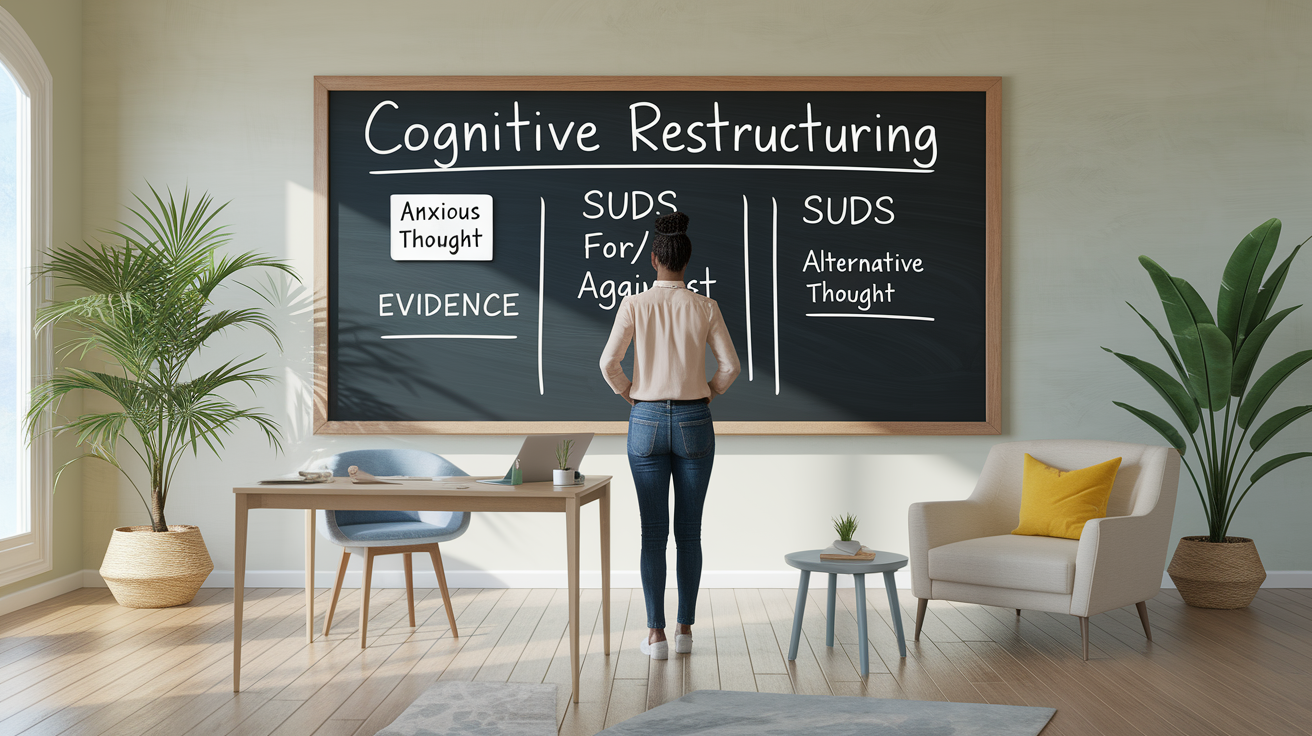
Cognitive Behavioral Therapy is the most studied and recommended treatment for social anxiety. It works by identifying and reshaping the thought patterns that drive avoidance and fear. For someone dealing with a sudden onset, CBT provides both immediate cognitive tools and a longer structure for lasting change. Typical courses run 12 to 20 weekly sessions. You’ll often see measurable improvements by week 8 to 12.
Quick cognitive tools can reduce distress within minutes. When you notice anxious thoughts spiraling (like “Everyone will think I’m incompetent” or “I’ll embarrass myself”), label the thought as anxiety rather than fact. Then rate your distress on a scale from 0 to 100. This is called the Subjective Units of Distress Scale, or SUDS. Naming the number creates distance.
If you’re at a 70, acknowledge it: “I’m at a 70 right now.” Then choose one small action, like slow breathing or stepping outside. Re-rate your distress after 5 to 10 minutes. Most people drop 10 to 20 points with this brief intervention. That’s enough to move forward rather than freeze.
Cognitive Restructuring Steps
Identify the anxious thought. Write it down or say it clearly to yourself. Example: “If I speak up in the meeting, everyone will notice I’m nervous and judge me.”
Rate your distress using SUDS. Assign a number from 0 (no distress) to 100 (extreme distress). Be honest about where you are right now.
Challenge the evidence. Ask yourself: What actual evidence supports this thought? What contradicts it? Has this exact outcome happened before, or is this just a prediction?
Generate an alternative thought. Reframe based on the evidence. Example: “Some people might notice I’m a little nervous, but most are focused on their own contributions. I’ve spoken up before without disaster.”
Re-rate your SUDS. Check your distress level again. Even a 10 to 20 point drop signals that the technique is working. Repeat as needed.
This five-step sequence is the core of cognitive restructuring. You can do it in writing or mentally. It’s most effective when practiced regularly, not just during peak anxiety. Over time, you’ll start to notice and interrupt distorted thinking earlier, before it fully escalates.
Exposure Strategies for Rebuilding Confidence After Sudden Anxiety Onset
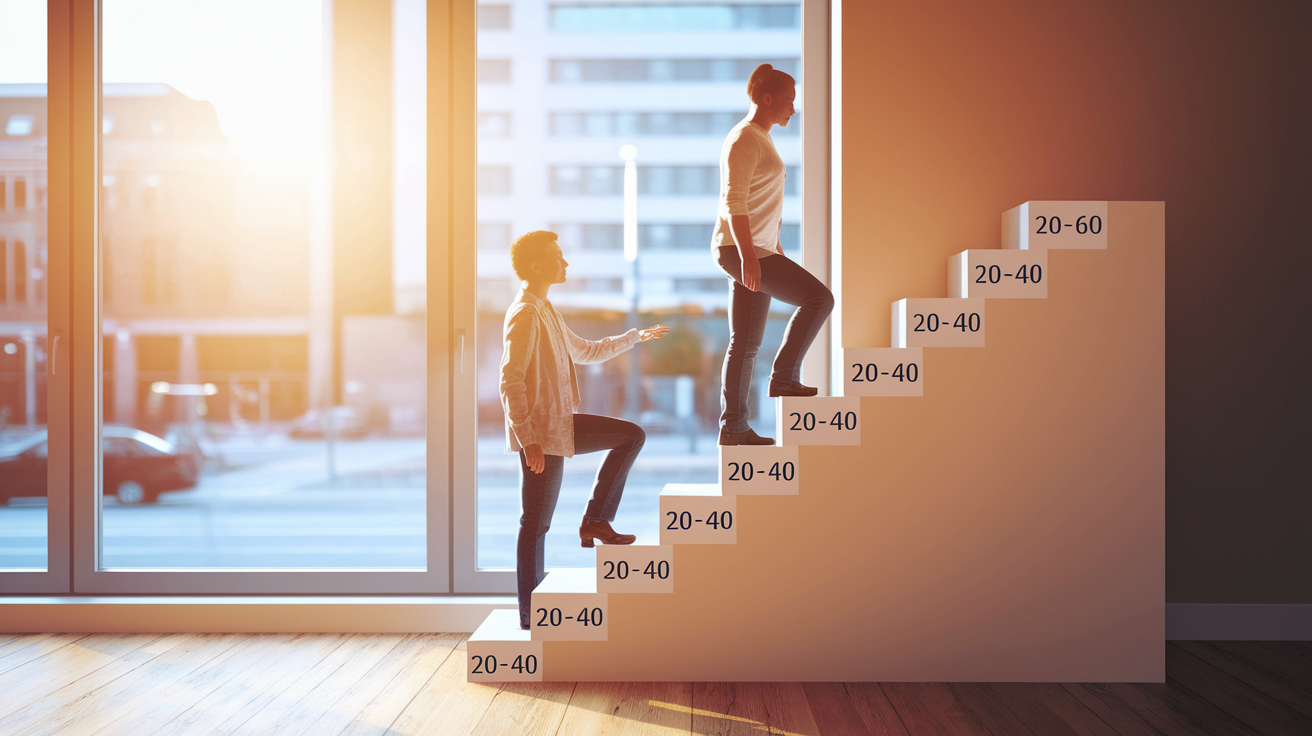
Exposure therapy is one of the most effective components of CBT for social anxiety. It works by gradually and repeatedly facing feared situations in a controlled, safe way until the fear response diminishes. For someone experiencing sudden-onset social anxiety, structured exposure helps rebuild confidence and reverse the avoidance that can set in quickly.
Exposure therapy typically involves 6 to 12 focused sessions with a therapist, plus practice between sessions. The goal isn’t to eliminate anxiety entirely. It’s to reduce it enough that you can function and engage. Most people notice meaningful improvement within 4 to 8 weeks of consistent exposure work.
You start with situations that create mild to moderate anxiety (SUDS rating around 20 to 40 out of 100). Practice for 15 to 30 minutes per session. Repeat 2 to 3 times per week. You stay in the situation until your SUDS score drops by about 50 percent, which usually takes 10 to 30 minutes. Once a step becomes manageable, you move to the next item on your hierarchy.
Behavioral experiments are a related technique. These involve testing your anxious predictions in real-world situations and then reviewing what actually happened. If you believe that asking a question in a group setting will lead to harsh judgment, the experiment is to ask one question and observe the actual responses. Most of the time, the feared outcome doesn’t occur. That provides corrective evidence that weakens the original fear.
Building a Simple Exposure Hierarchy
List 8 to 12 social situations that trigger anxiety. Include a range from mildly uncomfortable (saying hello to a coworker) to more challenging (giving a presentation to unfamiliar people).
Rate each situation using the SUDS scale (0 to 100). Be honest about your current distress level for each one. This helps you see the full range and identify starting points.
Choose a starting point in the 20 to 40 SUDS range. This is uncomfortable but not overwhelming. Starting too high can backfire and increase avoidance.
Schedule exposure sessions 2 to 3 times per week. Consistency matters more than intensity. Brief, repeated practice is more effective than one long session per month.
Track SUDS before, during, and after each exposure. Write down your distress level at the start, midpoint, and end of the session. Watching the number drop over time provides motivation and shows that the method is working.
Exposure doesn’t feel comfortable. That’s the point. The discomfort is what teaches your nervous system that the feared situation is survivable and that anxiety will decrease on its own if you stay present. Most people see a 30 to 50 percent reduction in SUDS for a given situation after 3 to 6 repetitions.
Medication Options for Managing Sudden Social Anxiety Intensification

Medication is considered when therapy alone isn’t reducing symptoms quickly enough, when functional impairment is severe (missing work, avoiding necessary social interactions, significant distress), or when someone prefers a combined approach from the start. Medication doesn’t replace skill-building or exposure work. But it can lower the baseline anxiety enough to make those practices more accessible.
Selective serotonin reuptake inhibitors (SSRIs) and serotonin-norepinephrine reuptake inhibitors (SNRIs) are first-line medications for social anxiety. Examples include sertraline (Zoloft), fluoxetine (Prozac), paroxetine (Paxil), and venlafaxine (Effexor). These medications work by gradually increasing levels of certain neurotransmitters in the brain.
Benefits typically begin to appear at 4 to 8 weeks. Full effect often comes by 8 to 12 weeks. A typical initial trial period is 8 to 12 weeks to assess whether the medication is helping. Side effects are common in the first 1 to 2 weeks and may include nausea, changes in sleep, or mild jitteriness. Most side effects decrease over time.
Short-acting benzodiazepines, such as alprazolam (Xanax) or lorazepam (Ativan), can reduce acute anxiety quickly, often within 30 to 60 minutes. But these medications carry a risk of dependence and are recommended for short-duration use only, under close medical supervision. They’re not a long-term solution.
Beta blockers, such as propranolol, target the physical symptoms of anxiety, including rapid heart rate, sweating, and tremors. They’re sometimes used before specific performance situations (public speaking, presentations) but don’t address the underlying cognitive patterns or chronic anxiety.
Combination therapy, pairing an SSRI or SNRI with CBT, often produces faster and more durable results than either approach alone. Medication can reduce symptoms enough to make exposure work less overwhelming. Therapy teaches skills that remain effective even after medication is tapered. Any decision to start, adjust, or stop psychiatric medication should be made collaboratively with a prescriber who knows your full medical history and current symptoms.
Lifestyle Adjustments That Support Sudden Social Anxiety Recovery
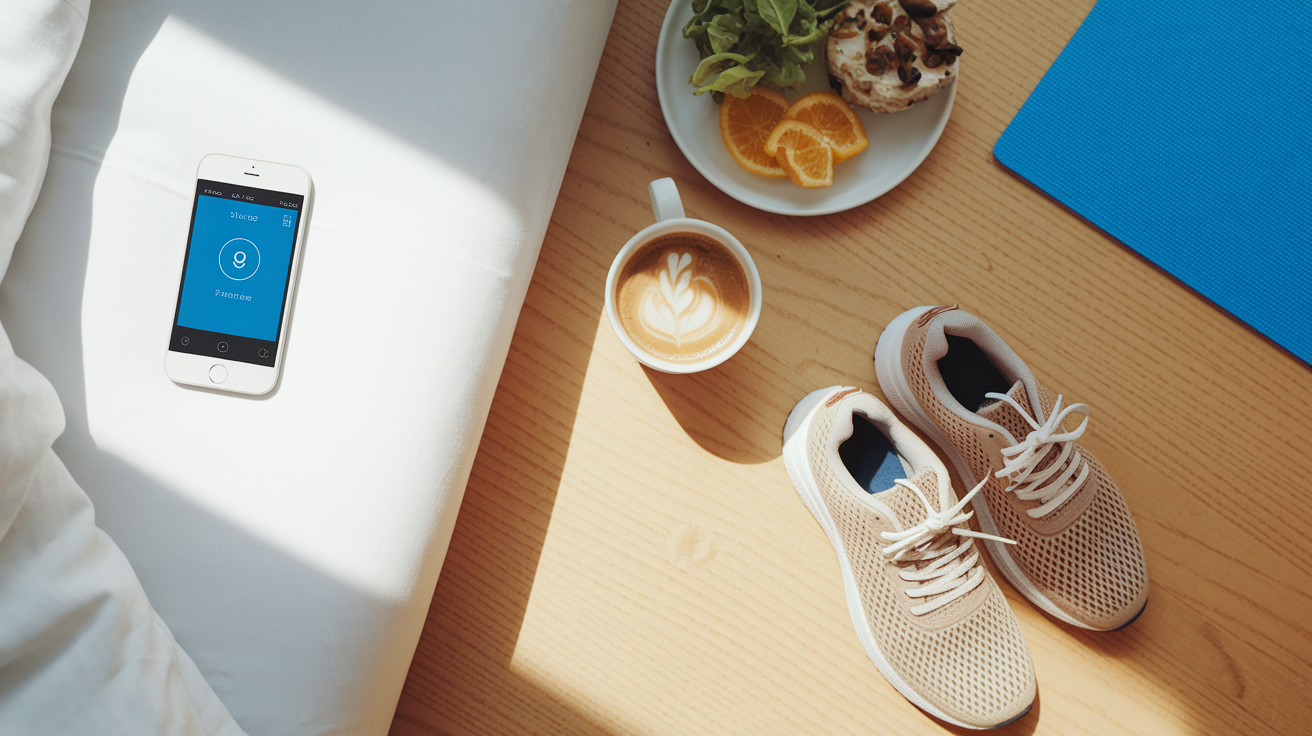
Lifestyle factors don’t cure social anxiety. But they create the conditions that make treatment more effective and reduce symptom intensity. Small, specific behavior changes can lower baseline arousal and improve your capacity to use coping skills when anxiety spikes.
Sleep is foundational. Aim for 7 to 9 hours per night. Poor or insufficient sleep amplifies emotional reactivity and makes it harder to regulate anxious thoughts. If you’re averaging less than 6 hours, prioritize incremental increases. Even 15 to 30 minutes more per night before adding other changes.
Regular exercise lowers anxiety and improves mood through endorphin release and improved stress regulation. The target is 150 minutes per week of moderate aerobic activity (brisk walking, cycling, or swimming) or 75 minutes per week of vigorous activity. Breaking this into 30-minute sessions five days per week is a common, sustainable approach. Movement doesn’t need to be intense to be helpful.
Key lifestyle targets to track:
Limit caffeine to under 200 to 300 mg per day. That’s roughly 2 to 3 cups of regular coffee. Caffeine increases heart rate and can mimic or worsen physical anxiety symptoms, especially on an empty stomach or when combined with stress.
Reduce or avoid alcohol and recreational substances. Using alcohol or drugs to cope with social anxiety typically worsens symptoms over time and reduces the effectiveness of therapy and medication.
Maintain consistent meal timing. Skipping meals or long gaps between eating can cause blood sugar dips that trigger or intensify anxiety. Balanced meals and snacks help stabilize energy and mood.
Establish a regular daily routine. Predictable sleep and wake times, consistent mealtimes, and scheduled activity reduce overall stress load and make anxiety more manageable.
Limit excessive screen time before bed. Blue light and stimulating content close to sleep can interfere with rest quality. Aim to reduce or eliminate screens 30 to 60 minutes before bed.
These adjustments aren’t dramatic. But when implemented together, they create a more stable baseline that makes sudden anxiety episodes less frequent and less severe.
When Sudden Social Anxiety Requires Professional or Emergency Help
Most sudden-onset social anxiety responds well to self-help strategies. But some situations require professional evaluation or urgent intervention. Knowing when to escalate care is part of responsible self-management.
Seek professional help if anxiety is causing significant avoidance or impairment in daily functioning. Missing work or school. Withdrawing from important relationships. Avoiding necessary activities like grocery shopping or medical appointments. If symptoms persist for more than 4 weeks despite consistent use of coping techniques, lifestyle adjustments, and self-help efforts, a mental health professional can provide assessment and structured treatment. Therapy or medication may be needed to break the cycle.
If you experience severe panic episodes that don’t subside within an hour despite grounding and breathing, if you develop suicidal thoughts or self-harm urges, or if you feel unable to function at all, seek urgent care immediately. Call a crisis hotline, go to an emergency department, or contact your primary care provider for same-day guidance. Sudden, severe functional collapse is uncommon but requires immediate support.
Differential diagnosis matters. Panic disorder, generalized anxiety disorder, and social anxiety disorder can look similar, especially during acute episodes. A qualified mental health clinician can distinguish between them using structured interviews and symptom history. Proper diagnosis guides treatment. So if you’re unsure what you’re experiencing or if symptoms aren’t improving, professional evaluation is the next step.
Tracking Progress and Preventing Relapse After Sudden-Onset Anxiety
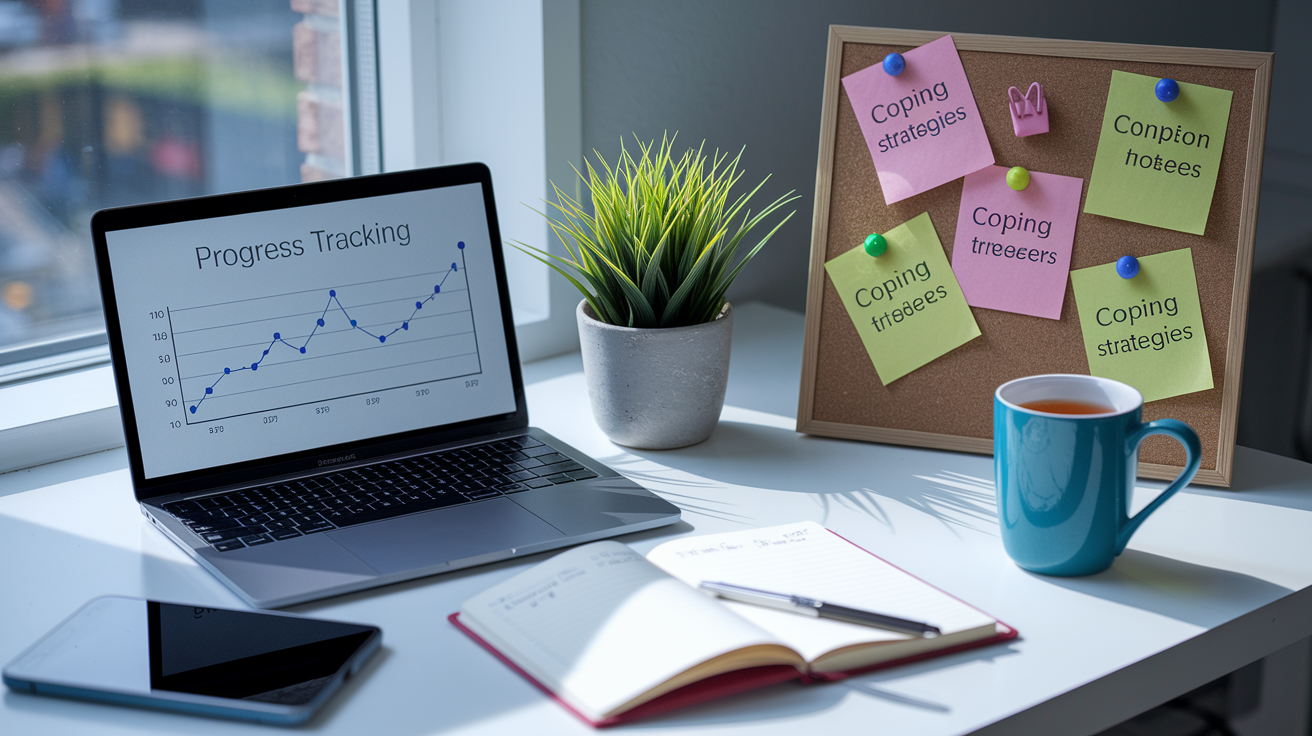
Recovery from sudden social anxiety isn’t a straight line. Tracking symptoms and patterns over time helps you see progress that might otherwise feel invisible and allows you to catch early warning signs of relapse before they escalate.
Use the SUDS scale during exposure practices and daily activities. Write down your distress rating before, during, and after challenging situations. Over weeks, you’ll see patterns: certain triggers lose their power, baseline anxiety decreases, and recovery time shortens.
Keeping a daily symptom diary for 4 to 12 weeks provides data you can review with a therapist or use to adjust your self-help plan. Track timing (time of day, day of week), triggers (social setting, work stress, lack of sleep), severity (0 to 100), duration (minutes to hours), and what helped (breathing, grounding, distraction, support). This record also gives you concrete information to bring to a medical or therapy appointment if you need one.
Relapse often begins with subtle avoidance behaviors. Common warning signs to monitor:
Increased avoidance of previously manageable situations. Skipping meetings, declining invitations, or finding reasons not to engage socially.
Return of catastrophic thinking patterns. Noticing a surge in “what if” spirals or predictions of embarrassment or judgment.
Physical symptoms reappearing. Heart racing, sweating, or dizziness in situations that had become comfortable.
Sleep disruption or increased caffeine or alcohol use. Using substances or losing sleep to cope with rising anxiety.
Withdrawing from support systems. Isolating from friends, family, or therapy, which removes accountability and reinforcement.
Catching these signs early allows you to re-engage coping strategies, reach out for support, or schedule a booster therapy session before symptoms fully return. Preventing relapse is easier than treating a full recurrence. Most people benefit from periodic check-ins even after symptoms have improved.
Final Words
Right now, if a sudden wave of social anxiety hits, you learned quick relief: breathing patterns, box breathing, grounding, posture resets, and a 10-minute check-in.
We also covered longer steps, progressive muscle relaxation, short CBT (cognitive behavioral therapy) tools, exposure practice, sensible medication options with supervision, sleep and caffeine changes, and how to track progress.
Using these sudden social anxiety onset treatment strategies, short skills plus consistent tracking and small exposures help many people see steady easing within minutes to weeks. You can do this.
FAQ
Q: How to help social anxiety quickly? / How do you get rid of social anxiety fast?
A: Helping social anxiety quickly means using short, body-based steps to calm your system: diaphragmatic breathing (inhale 4–6s, exhale 6–8s for 3 minutes), box breathing, 5‑4‑3‑2‑1 grounding, posture drop, and a 10‑minute check-in.
Q: How to deal with sudden social anxiety? / How to control social anxiety triggered by a sudden event?
A: Dealing with sudden social anxiety means naming the feeling, using grounding or breathing, stepping away briefly, having a small snack or water if needed, setting a 10‑minute reassessment, and noting triggers to review later.
Comments are closed