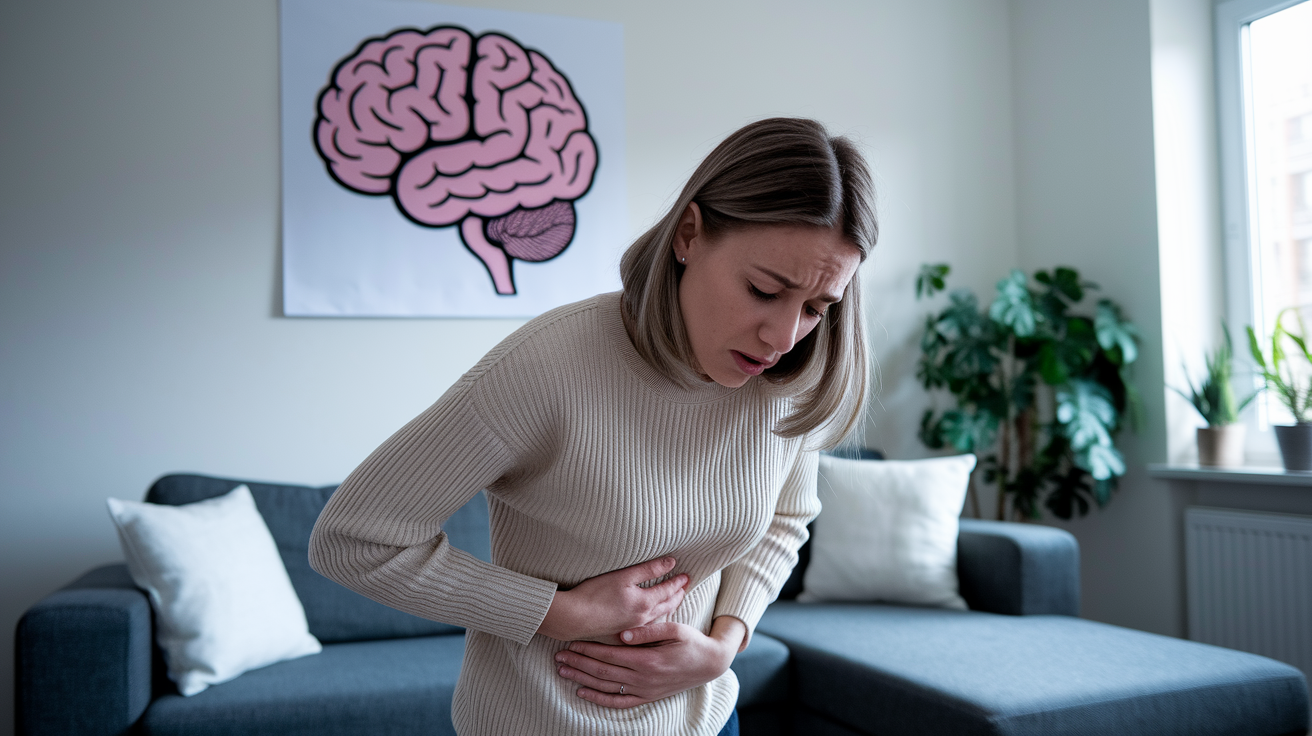
Ever felt sudden stomach pain and bloating the moment anxiety hits?
This can feel scary, and you’re not imagining it.
Seconds after your brain notices a threat, nerves and stress hormones talk straight to your gut, and cramping, tightness, or visible bloating can follow.
In this post we’ll explain the gut-brain link in plain terms, show common triggers, give simple low-risk steps to try now, list what to track for appointments, and say when to get urgent care.
Understanding the Sudden Link Between Anxiety, Stomach Pain, and Bloating
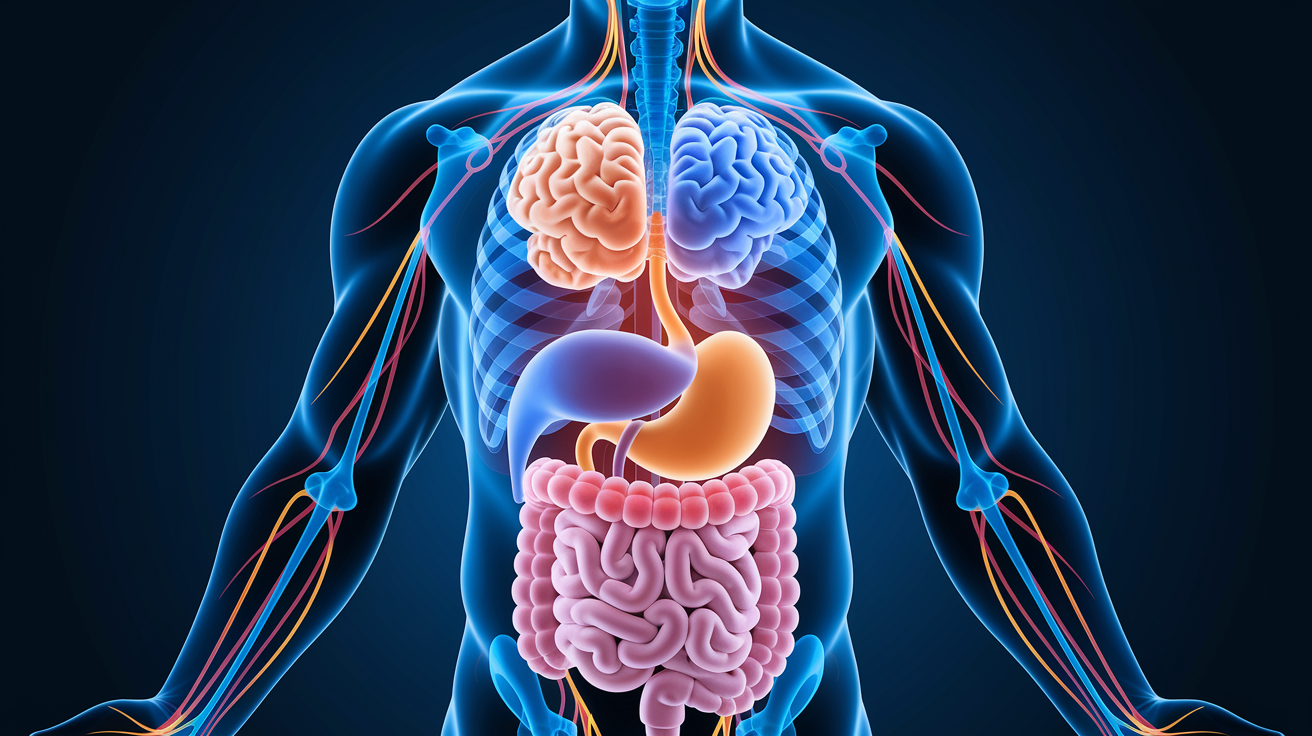
Your stomach doesn’t wait for permission when anxiety shows up. The second your nervous system picks up on a threat (whether it’s real or just something your brain decided to worry about), signals shoot from your brain straight down to your gut. We’re talking seconds here. That’s why you can feel cramping, tightness, or sudden bloating right in the middle of a stressful conversation or just before you have to give a presentation.
Your gut holds the biggest nerve network outside your brain. It’s called the enteric nervous system, and it’s got direct lines to your central nervous system. When anxiety flips on your fight-or-flight switch, stress hormones (mostly cortisol and adrenaline) flood your bloodstream and hit your digestive tract almost instantly. These chemicals mess with your digestion’s normal rhythm, slowing some parts down while speeding others up. Cramping and visible bloating follow.
Stress hormones also throw off the bacterial balance in your gut and temporarily dial down your immune system’s antibody production along the intestinal lining. You end up with a chemical imbalance that can spark inflammation, change how food moves through your system, and make pain and pressure feel more intense. The whole thing can play out in minutes, which is why stomach symptoms pop up so suddenly when you’re feeling anxious.
What’s happening on a physical level:
- Cortisol and adrenaline dumping directly into your digestive tract, interfering with how your muscles contract
- Vagus nerve kicking in, carrying signals between your brain and gut in both directions
- Beneficial gut bacteria getting temporarily suppressed, letting gas-producing strains take over
- Protective antibodies in your gut lining dropping off, which ramps up inflammation
- Gut motility going haywire (either slowing down and causing constipation and bloating, or speeding up and causing cramping and diarrhea)
Long‑Term Gut–Brain Dynamics That Influence Bloating and Pain
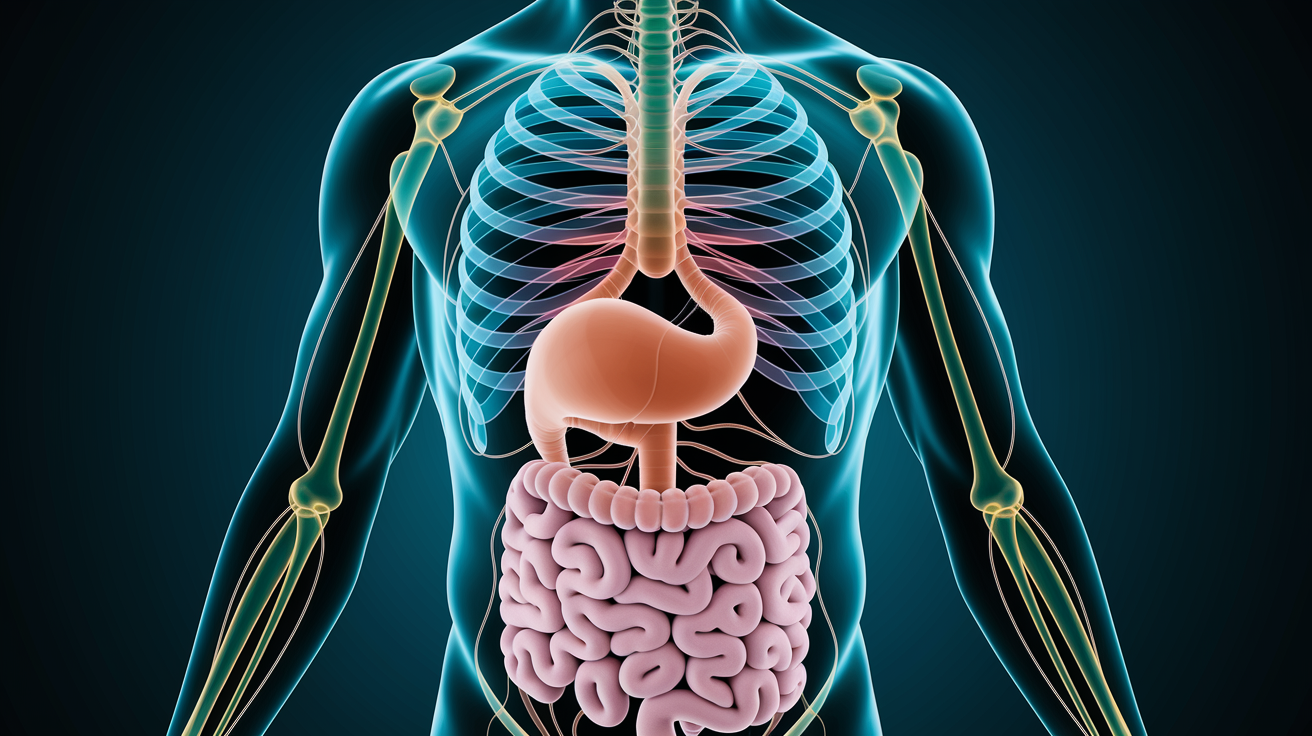
When anxiety becomes a regular thing, the communication between your brain and gut doesn’t just stay busy. It actually starts to change structurally. Chronic stress rewires how your nervous system reads signals from your digestive tract. You often become more sensitive to sensations that wouldn’t have registered before. Over time, this creates a feedback loop: even mild gut activity feels uncomfortable, which triggers more anxiety, which then makes gut symptoms worse.
Long-term dysregulation shifts your baseline. Your brain’s emotional centers (the parts that handle fear and worry) stay in constant conversation with the nerves lining your intestines. When emotional regulation is constantly strained, your gut’s normal activity gets misread as a threat. A little bit of gas that used to pass unnoticed now feels like serious pressure. Normal digestive contractions start feeling like cramps.
The nervous system tone in your gut can shift from balanced to hyper-alert. Your intestines start reacting more strongly to food, stress, and even routine hormonal changes. This heightened state makes bloating and pain more frequent and harder to predict, because your system is interpreting everyday signals through a way more sensitive lens.
How Long-Term Stress Rewires Digestive Sensitivity
Prolonged anxiety doesn’t just keep your gut on edge. It actually changes the density and responsiveness of nerve endings in your intestinal walls. Research shows that people under chronic stress develop what’s called visceral hypersensitivity, where the threshold for feeling discomfort drops. Signals that a calm nervous system would filter out now break through to conscious awareness, and they’re often amplified on the way.
This rewiring also affects how your brain’s pain-processing areas interpret gut signals. The same stretch or contraction that once felt neutral now gets flagged as painful or worrying. Over months or years, this recalibration can make your digestive system feel unpredictable, even when medical tests show nothing structurally wrong. The communication imbalance becomes the problem itself, creating real discomfort without a clear physical cause that shows up on scans or lab work.
Why Anxiety Can Trigger Rapid Bloating: Mechanisms and Symptom Patterns
Bloating feels immediate because several anxiety-driven processes hit at once. When you’re anxious, your abdominal muscles tighten reflexively, which restricts your diaphragm’s natural movement and can trap gas in your intestines. At the same time, shallow or rapid breathing often leads to aerophagia (swallowing excess air), which adds more gas to an already tense digestive system.
Stress also slows or disrupts the coordinated muscle contractions that normally push food and gas through your intestines. When motility stalls or gets erratic, pockets of gas get stuck, creating visible swelling and that tight, bloated feeling. Sometimes, the bloating is more about perception than actual distension. Visceral hypersensitivity makes your gut feel fuller and more stretched than it objectively is.
What causes rapid bloating during anxiety:
- Abdominal wall muscles tightening, which compresses your intestines and blocks gas movement
- Aerophagia (excess air swallowing) from rapid or shallow breathing
- Slowed gut motility, causing gas and stool to back up and create pressure
- Increased sensitivity of stretch receptors in your intestinal wall, making fullness feel more intense
- Temporary shifts in gut bacteria activity, with some strains producing more gas under stress
- Reduced blood flow to your intestines during fight-or-flight, which slows digestion and traps contents
Conditions Where Anxiety and Digestive Pain Overlap
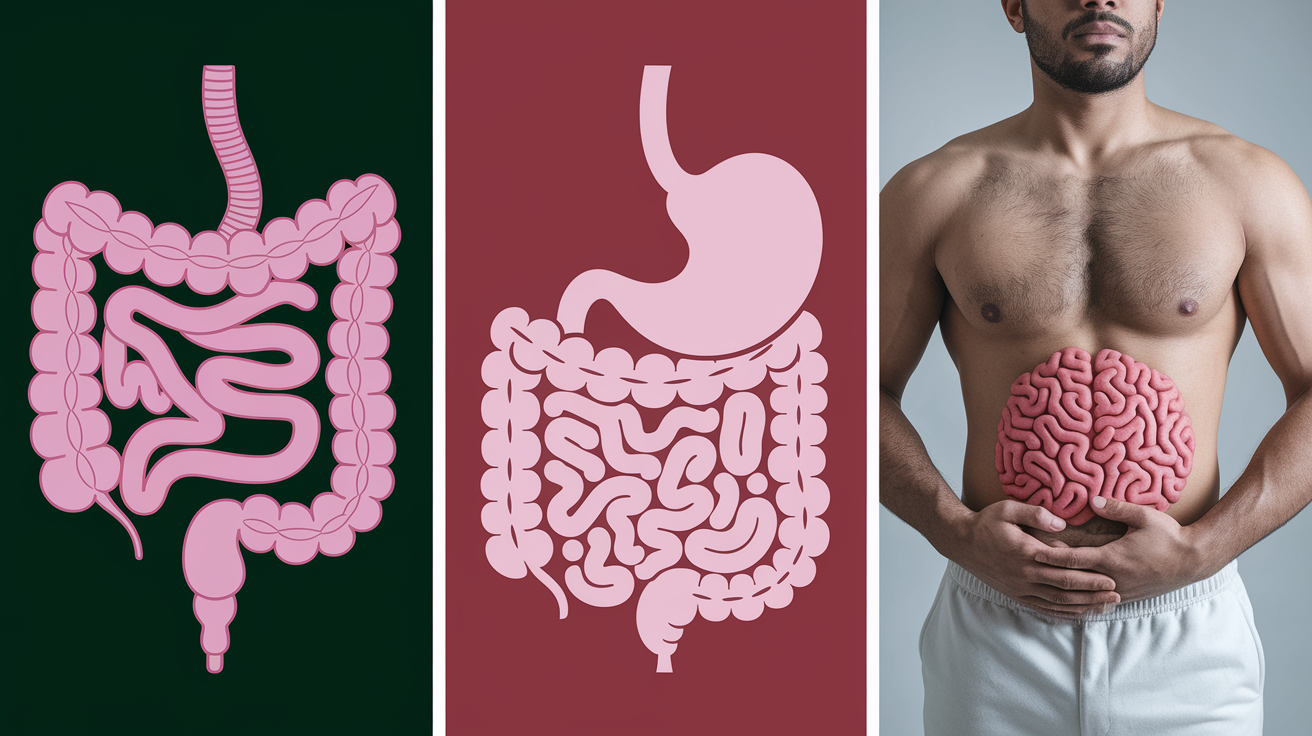
Some gastrointestinal conditions don’t just happen alongside anxiety. They’re partly driven by the same gut-brain signaling problems. Irritable bowel syndrome (IBS) is the most common example. It affects millions of people whose digestive tracts show no structural damage but respond intensely to stress, certain foods, and emotional shifts. People with IBS often notice symptoms flare during high anxiety and calm down when stress eases.
Functional dyspepsia (persistent indigestion and upper abdominal discomfort without an identifiable cause) also overlaps heavily with anxiety. The stomach may empty too slowly, produce excess acid, or simply become hypersensitive to normal stretching after meals. Anxiety can trigger all three, making it hard to tell whether the stomach pain is purely physical, purely emotional, or some mix of both.
Functional abdominal pain, diarrhea during panic attacks, and stress-related constipation with bloating all follow similar patterns. The gut-brain axis is dysregulated, visceral sensitivity is heightened, and symptoms often shift in response to emotional state rather than food intake or infection. These conditions are real and measurable in terms of motility and sensitivity changes, but they don’t show up as ulcers or inflammation on standard tests.
| Condition | Typical Symptom Pattern | Anxiety Link |
|---|---|---|
| Irritable Bowel Syndrome (IBS) | Cramping, bloating, diarrhea or constipation that fluctuates; often worse after meals or during stress | Symptoms flare with anxiety; gut-brain signaling is hypersensitive |
| Functional Dyspepsia | Upper abdominal pain, nausea, early fullness, bloating without ulcers or gastritis | Stress slows stomach emptying and increases acid sensitivity |
| Functional Abdominal Pain | Persistent or recurrent pain without clear physical cause; may shift location | Central pain processing is altered by chronic anxiety, amplifying gut signals |
When Stomach Pain and Bloating Are Not Anxiety

Some symptoms shouldn’t be blamed on anxiety without a thorough medical check. Intense pain that wakes you from sleep, doesn’t ease with position changes, or steadily worsens over hours points toward a structural problem rather than a nervous system reaction. Blood in your stool or vomit, unexplained weight loss, persistent vomiting, or a fever alongside abdominal pain all need urgent evaluation.
Appendicitis, for example, can sometimes be confused with anxiety-related cramping early on. But the pain typically starts near your belly button and then moves sharply to the lower right abdomen. It becomes more intense and localized over a few hours, and movement, coughing, or pressing on the area makes it worse. Anxiety-related pain tends to be more diffuse, fluctuates with emotional state, and doesn’t follow that progressive pattern.
Signs that need immediate or same-day medical attention:
- Blood in stool (bright red or dark, tarry appearance) or vomit
- Unexplained weight loss over weeks or months
- Severe pain that’s constant, localized, and worsening
- Pain that wakes you from sleep or prevents you from standing upright
- Persistent vomiting that won’t stop after a few hours
- Family history of inflammatory bowel disease, colon cancer, or other serious GI conditions
How to Tell If Your Symptoms Are Anxiety-Related
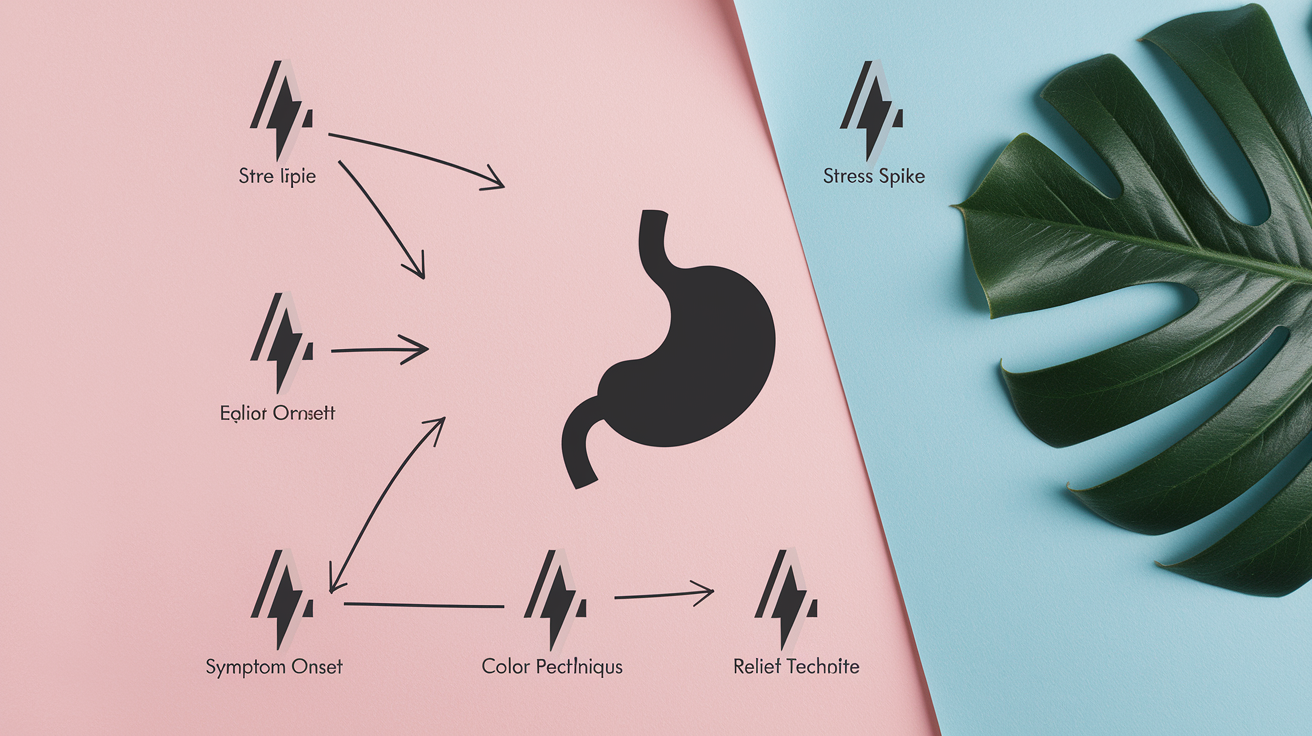
Timing offers one of the clearest clues. Anxiety-driven stomach pain and bloating usually spike during or shortly after a stressful event (a tense meeting, a difficult conversation, anticipation of something uncertain) and then ease within a few hours once the emotional intensity fades. If your symptoms consistently follow that pattern and don’t appear randomly in calm moments, the gut-brain link is likely involved.
Medical conditions tend to show more consistent triggers or a progressive course. Pain from an ulcer often worsens with an empty stomach or specific foods. Inflammatory bowel disease usually causes symptoms that persist for days or weeks, regardless of stress levels. If you’ve had blood work, imaging, or endoscopy that came back normal and your symptoms still correlate strongly with anxiety or stress, functional gut-brain causes become more likely.
It also helps to notice whether things that calm your nervous system (slow breathing, a walk, a conversation with a friend) make a noticeable difference. If your stomach settles when your mind settles, that’s a signal the nervous system is playing a central role.
Simple checks to identify anxiety-related symptoms:
- Track timing: Do symptoms appear during or right after stress and fade within hours?
- Notice food independence: Do symptoms happen even when you haven’t eaten anything unusual?
- Test calming techniques: Does slow breathing, a walk, or distraction reduce the discomfort?
- Review test results: If medical workup is normal but symptoms persist and fluctuate with emotional state, consider functional gut-brain causes.
Practical Relief Strategies for Anxiety‑Linked Stomach Pain and Bloating

Slowing your breath is one of the fastest ways to signal your nervous system to shift out of fight-or-flight. When you breathe slowly through your nose and let your exhale last longer than your inhale, you activate the vagus nerve, which helps calm gut contractions and reduce muscle tension in your abdomen. Even one minute of intentional breathing every couple of hours can lower baseline stress and give your digestive system a chance to reset.
Gentle physical activity (walking, stretching, restorative yoga) helps in two ways. Movement encourages gut motility, which can relieve trapped gas and reduce bloating. It also releases endorphins and burns off some of the adrenaline keeping your body tense. You don’t need a full workout. Fifteen minutes of easy movement can make a measurable difference.
Low-risk ways to reduce anxiety-related gut symptoms:
- Practice slow, nasal breathing for one minute every couple of hours. Focus on making your exhale longer than your inhale.
- Take short movement breaks: a five-minute walk, gentle stretching, or a few yoga poses to ease abdominal tension
- Use a daily guided relaxation exercise (apps like Calm or Headspace offer short body-scan and breathing sessions)
- Apply a warm compress to your abdomen to relax tight muscles and ease cramping
- Sip warm liquids slowly. Herbal teas like ginger or peppermint can soothe nausea and support digestion.
Step-by-Step Diaphragmatic Breathing
Sit or lie down in a comfortable position. Place one hand on your chest and the other on your stomach, just above your belly button. Inhale slowly through your nose for a count of four, letting your stomach push outward against your hand while your chest stays relatively still. Pause briefly at the top of the inhale.
Exhale gently through your mouth for a count of six to eight, feeling your stomach deflate as air leaves. The longer exhale is what activates the calming branch of your nervous system. Repeat this cycle for one to five minutes, focusing on the rise and fall of your abdomen rather than forcing the breath. If you feel lightheaded, slow the pace or take a short break.
Dietary and Lifestyle Triggers That Intensify Anxiety-Related Bloating
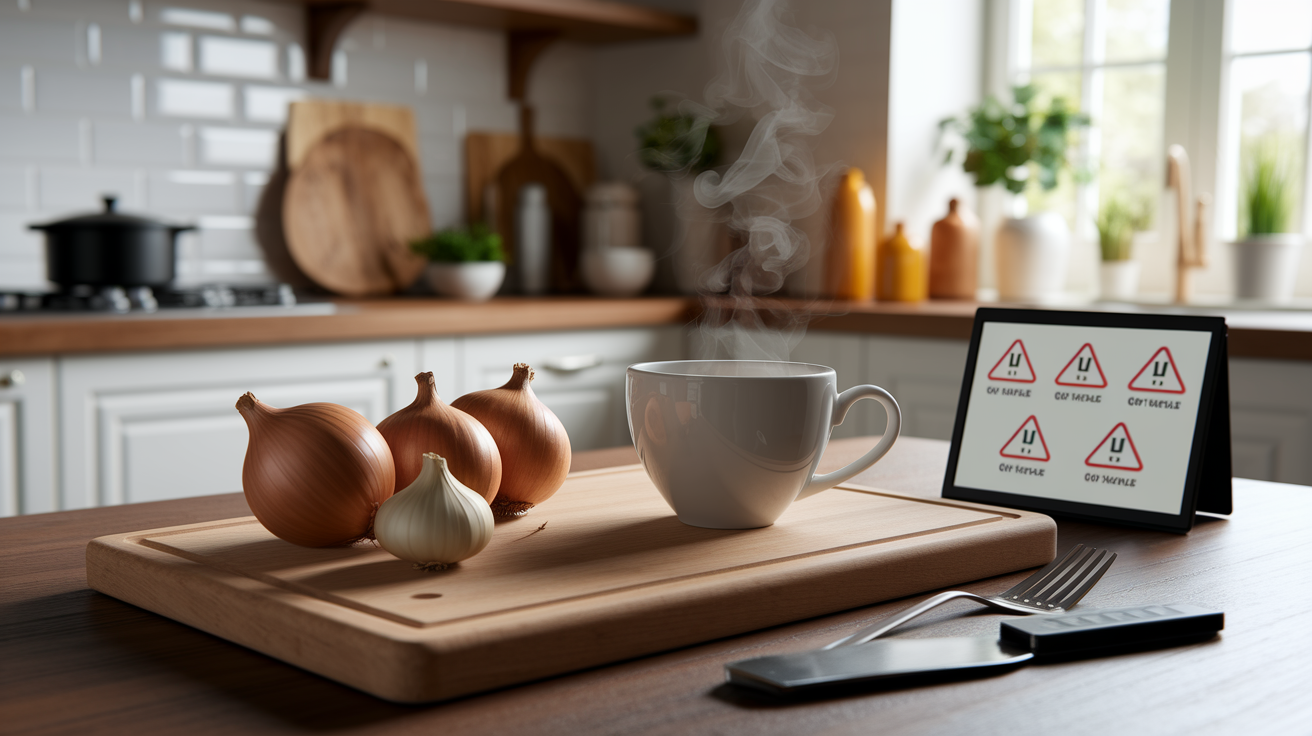
Caffeine feels like a logical energy boost during stressful days, but it stimulates both your nervous system and your gut. It often increases cramping, acid production, and that jittery, unsettled feeling in your stomach. If you’re already anxious, adding caffeine can tip your gut into overdrive, worsening bloating and discomfort. Switching to a lower dose or choosing decaf during high-stress periods may help.
Eating patterns shift under stress. Some people skip meals or eat irregularly, while others graze or overeat. Both patterns can worsen bloating. An empty stomach produces more acid, which can cause nausea and cramping. Overeating or eating too quickly leads to aerophagia and stretches your stomach, making that tight, swollen feeling worse. High-FODMAP foods (certain fruits, dairy, beans, onions, garlic) are harder to digest when your gut motility is already disrupted by stress, leading to more gas production and distension.
| Trigger | Effect on Anxiety | Effect on Bloating |
|---|---|---|
| Caffeine (coffee, energy drinks) | Increases heart rate, jitteriness, and nervous system activation | Stimulates gut contractions and acid production; can cause cramping and gas |
| Skipping meals or irregular eating | Causes blood sugar dips, which can worsen mood and anxiety | Empty stomach produces excess acid; irregular timing disrupts gut motility |
| High-FODMAP foods (onions, beans, dairy) | No direct anxiety effect, but digestive discomfort can increase worry | Poorly absorbed carbohydrates ferment in the gut, producing gas and distension |
| Alcohol | May temporarily reduce anxiety but worsens it as it wears off | Irritates stomach lining, slows digestion, and can trigger reflux and bloating |
Medical Tests and Treatments When Symptoms Persist

When stomach pain and bloating don’t improve with stress management and dietary changes, or when red flags appear, medical evaluation helps rule out structural problems and identify treatable conditions. Blood tests can check for celiac disease, thyroid dysfunction, and inflammatory markers. Stool tests can detect infections, parasites, or signs of inflammation in the gut.
If upper abdominal pain, nausea, or reflux are prominent, a gastroscopy (upper endoscopy) lets a clinician visualize your esophagus, stomach, and the first part of your small intestine. This test can identify ulcers, gastritis, or other abnormalities that wouldn’t show up on blood work. For persistent bloating with diarrhea or irregular bowel movements, a breath test for small intestinal bacterial overgrowth (SIBO) may be ordered. This detects whether bacteria have overgrown in the small intestine and are producing excess gas.
When tests come back normal but symptoms persist, functional treatments become the focus. Antispasmodic medications can reduce cramping by relaxing the smooth muscle in your gut. Prokinetic agents help move food through your digestive tract more efficiently, reducing bloating and nausea. Probiotics (especially strains like Lactobacillus and Bifidobacterium) may help rebalance gut bacteria disrupted by chronic stress, though results vary by individual.
Common tests and treatments for persistent symptoms:
- Blood tests for celiac disease, thyroid function, and inflammatory markers (CRP, ESR)
- Stool tests to rule out infections, parasites, or inflammatory bowel disease
- Breath tests for SIBO (small intestinal bacterial overgrowth) or lactose intolerance
- Antispasmodic medications (such as hyoscine or mebeverine) to ease cramping and reduce gut spasms
Combined Care: Treating Both Anxiety and Digestive Symptoms Together

Treating only the gut or only the anxiety often leaves symptoms half-resolved. The most effective approach addresses both ends of the gut-brain axis at the same time. Use psychological strategies to calm the nervous system, dietary adjustments to reduce physical triggers, and medical treatments when needed to manage persistent discomfort. This integrated model recognizes that the brain and gut influence each other continuously, so interventions on either side can create positive ripple effects.
Cognitive behavioral therapy (CBT) has strong evidence for reducing symptoms in people with IBS and other functional GI disorders. CBT helps you identify and reframe anxious thoughts that make gut symptoms worse, practice coping strategies during flare-ups, and break the cycle of symptom-related worry. Gut-directed hypnotherapy (a specialized form of guided relaxation focused on calming the digestive system) has also shown benefit in clinical trials, particularly for bloating and pain.
Medical support might include low-dose antidepressants (such as SSRIs or tricyclics), which can improve gut-brain communication and reduce visceral hypersensitivity even in people without depression. A dietitian can help identify individual food triggers and guide a structured elimination diet if needed. Working with a multidisciplinary team (gastroenterology, psychology, and nutrition) ensures that all contributing factors are addressed rather than treating symptoms in isolation.
Effective combined approaches include:
- Cognitive behavioral therapy to reduce anxious thoughts and improve coping during GI flare-ups
- Gut-directed hypnotherapy for targeted relaxation and pain reduction
- Low-dose antidepressants (SSRIs or tricyclics) to modulate gut-brain signaling
- Structured dietary guidance, including low-FODMAP trials or elimination protocols under supervision
- Regular follow-up with a coordinated care team to adjust treatments as symptoms shift over time
Final Words
You learned how the gut and brain talk, and how quick stress responses—stress hormones, vagus nerve signals, shifts in gut bugs, and motility changes—can cause sudden stomach pain and bloating.
Try gentle fixes: diaphragmatic breathing, a short walk, smaller meals, cut back on caffeine, and keep a simple tracker of timing, triggers, and duration.
If pain is severe, persistent, or has red flags, see a clinician. Understanding the sudden anxiety and stomach pain bloating link gives you clearer steps and hope for steady improvement.
FAQ
Q: Why does anxiety cause stomach pain?
A: Anxiety causes stomach pain because stress hormones (adrenaline and cortisol) and vagus nerve signals change gut movement, heighten nerve sensitivity, and disrupt gut bacteria, producing cramps, tightness, nausea, or diarrhea.
Q: How to calm down an anxious stomach?
A: To calm an anxious stomach, try slow diaphragmatic breathing, sip water, eat a light snack, take a short walk, use a warm compress, and loosen tight clothing; seek help if symptoms are severe or persistent.
Q: What are three common stomach conditions that are affected by stress?
A: Three common stomach conditions affected by stress are irritable bowel syndrome (IBS), which causes cramps and diarrhea or constipation; functional dyspepsia, causing upper belly pain and fullness; and acid reflux (GERD), causing heartburn.
Q: Can stress cause stomach pain and bloating?
A: Stress can cause stomach pain and bloating by tightening belly muscles, changing gut movement, increasing air swallowing, and altering bacteria and sensitivity; symptoms often peak during anxiety and usually ease within hours.
Comments are closed