
Can a pill suddenly make your heart race and your chest tighten?
Yes, some medicines can cause sudden anxiety, sometimes within minutes and sometimes over days.
This can feel scary, and you’re not imagining it.
Read on for clear signs to notice, common drugs that trigger this, simple low-risk steps to try now, what to track for your clinician, and when to get urgent care.
By the end you’ll have a short plan and the right questions to bring to your provider.
Immediate Answers on Medication‑Linked Sudden Anxiety

Yes, medications can trigger sudden anxiety. Sometimes within minutes of a dose, other times over days or weeks. This happens because certain drugs alter brain chemistry, speed up your nervous system, or mimic the physical sensations of panic.
Stimulant medications like Adderall and Ritalin act fast. You might feel jittery energy, a racing heart, and a keyed-up sensation within 30 to 90 minutes. Asthma rescue inhalers (albuterol) can do the same thing, causing tremors and nervousness right after you use them. Some antidepressants, especially SSRIs like sertraline or escitalopram, can make you feel more anxious, restless, or “wired” in the first few days or weeks. This pattern is sometimes called the jitteriness syndrome. Corticosteroids like prednisone and thyroid medications such as levothyroxine can produce anxiety symptoms if the dose is too high or if your body becomes oversensitized. Even over-the-counter nasal decongestants (pseudoephedrine) or certain antihistamines (diphenhydramine) can leave you feeling edgy, shaky, or panicked.
Common rapid-onset anxiety triggers include:
Stimulants (Adderall, Ritalin, Dexedrine). Nervousness, elevated heart rate, and blood pressure spike within an hour or two.
Caffeine products. Coffee, energy drinks, fitness supplements, cold medicines. Jitteriness and sleep disruption that builds across the day.
Asthma rescue inhalers (albuterol). Tremors, rapid heartbeat, and agitation minutes after inhalation.
Thyroid medication overshoot (levothyroxine). Sweating, palpitations, and restlessness when dose is too high.
Nasal decongestants (pseudoephedrine). Restlessness and insomnia that appear within hours.
If you notice sudden anxiety right after starting a new medication, adjusting a dose, or taking something over the counter, track the timing. The pattern matters.
How Different Medication Categories Produce Anxiety Symptoms
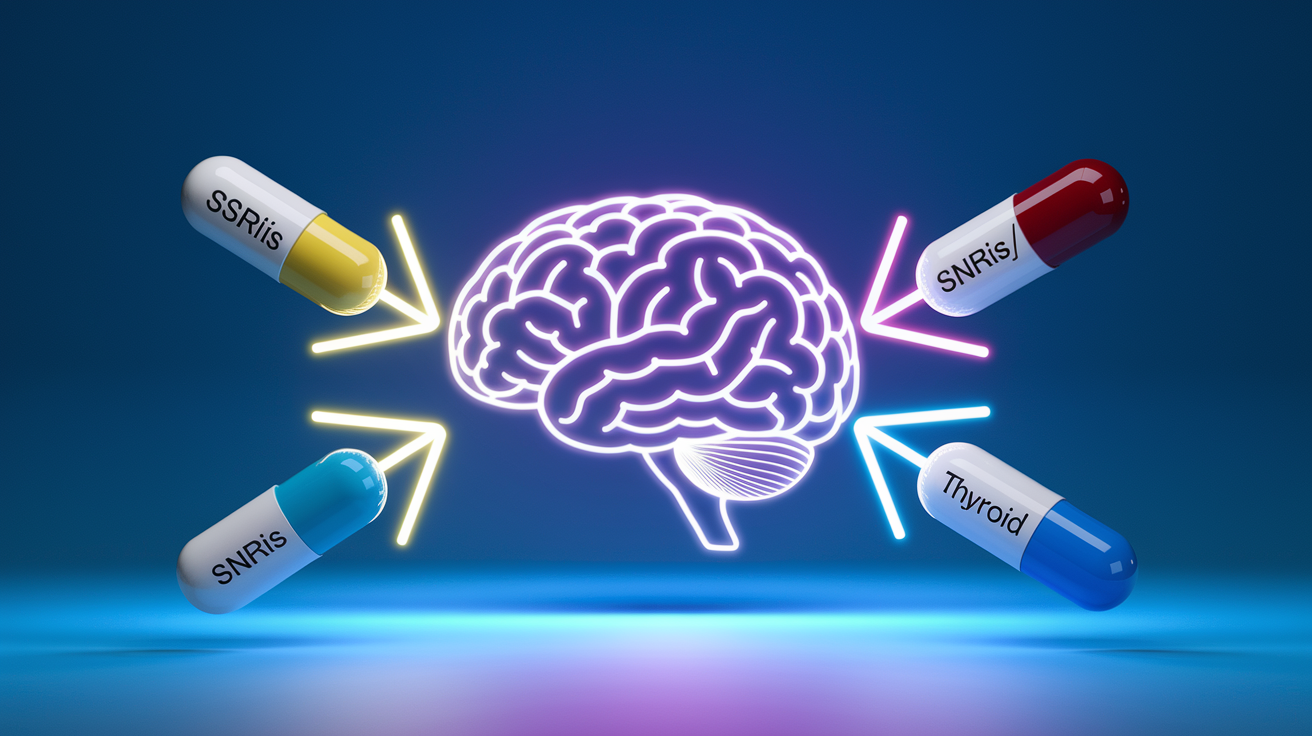
Not all medication-linked anxiety looks the same. Some drugs rev your nervous system directly. Others shift neurotransmitters in ways that create temporary agitation. And a few produce anxiety-like physical symptoms even when your mind feels relatively calm.
ADHD stimulants (Adderall, Ritalin, Concerta, Dexedrine) boost dopamine and norepinephrine, which increases focus but also raises heart rate, blood pressure, and alertness. In people who are sensitive, that heightened activation can feel like panic. Chest tightness, restlessness, an inability to sit still. The effect is dose-dependent. The higher the dose, the stronger the jittery response. And it can vary wildly from one person to the next. Misuse or taking a higher dose than prescribed can trigger severe agitation, paranoia, or even psychosis.
Antidepressants, especially SSRIs and SNRIs, work by changing serotonin or norepinephrine levels in the brain. For some people, that shift initially increases anxiety instead of easing it. This activation effect usually shows up in the first one to two weeks and may include restlessness, agitation, trouble sleeping, or an uptick in worry. It often settles once your brain adjusts, but in a few cases it persists and requires a dose change or switch to a different medication.
Corticosteroids like prednisone, prednisolone, hydrocortisone, dexamethasone, and methylprednisolone alter glucocorticoid signaling in the brain and can produce mood swings, insomnia, irritability, and anxiety. Even at moderate doses if taken over weeks or months. High doses or long-term use carry a higher risk of steroid-induced psychosis, confusion, and impaired executive function. The anxiety is often paired with insomnia, making the whole picture worse.
Thyroid medications (levothyroxine) replace or supplement thyroid hormone. If the dose climbs too high, your metabolism accelerates beyond normal, mimicking the body’s stress response: sweating, tremors, rapid weight loss, palpitations, and a shaky, anxious sensation. Clinicians monitor blood levels and adjust dosing to bring symptoms back in range, but until that happens, the physical experience can feel identical to a panic attack.
Key differences by mechanism:
Stimulants push the central nervous system into overdrive. Anxiety is a direct consequence of heightened alertness and sympathetic tone.
SSRIs and SNRIs may temporarily amplify anxiety as serotonin pathways recalibrate during the early treatment phase.
Corticosteroids disrupt mood regulation and stress-hormone balance, causing emotional volatility alongside physical agitation.
Thyroid hormone excess speeds metabolic rate, producing tremor, heart racing, and heat intolerance that feel like panic.
Nasal decongestants and some antihistamines stimulate adrenergic receptors, causing restlessness and elevated heart rate.
Certain antibiotics rarely influence central nervous system signaling, triggering anxiety in individuals who are biochemically sensitive.
How Drug-Induced Anxiety Works in the Body
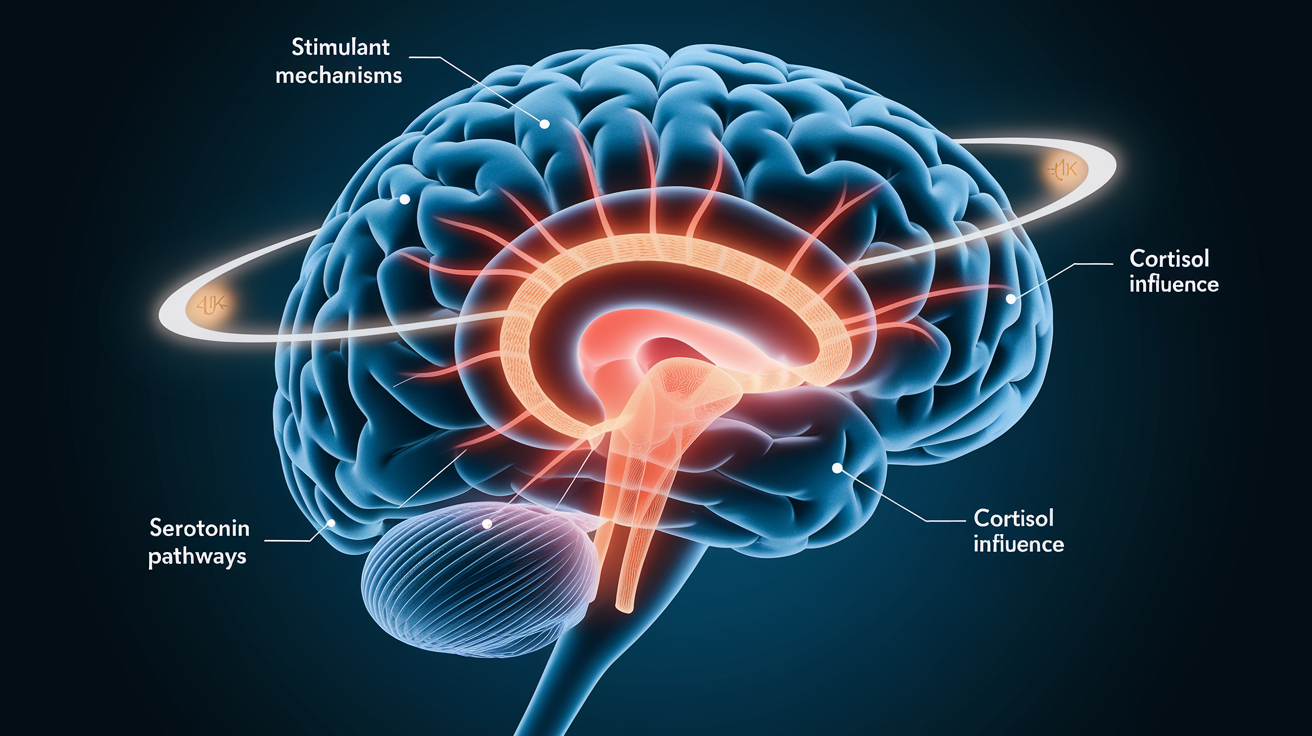
Medications trigger anxiety by changing the balance of neurotransmitters, speeding the nervous system, or altering hormones that control metabolism and stress response.
Stimulants (including ADHD medications, caffeine, and decongestants) flood the brain with dopamine and norepinephrine. That surge sharpens focus but also activates the sympathetic nervous system, the part of your body responsible for the fight-or-flight response. Heart rate climbs, blood pressure rises, and your muscles tense. If you’re already prone to anxiety or if the dose is too high, the body reads those signals as danger, and the mind follows.
Antidepressants like SSRIs increase serotonin availability in the brain. Early in treatment, that boost can activate certain serotonin receptor subtypes linked to agitation and arousal rather than calm. Over time, the system usually adapts and anxiety decreases, but the initial weeks can feel worse before they feel better.
Corticosteroids work differently. They mimic cortisol, the body’s main stress hormone. Too much cortisol disrupts mood circuits and can produce anxiety, irritability, and even paranoia. Thyroid hormone excess speeds up cellular metabolism across the body, increasing oxygen demand, heat production, and adrenaline-like symptoms such as tremor and palpitations.
| Medication Class | Mechanism | Possible Anxiety Symptoms |
|---|---|---|
| ADHD stimulants (Adderall, Ritalin) | Increase dopamine and norepinephrine; activate sympathetic nervous system | Rapid heartbeat, jitteriness, restlessness, elevated blood pressure |
| SSRIs/SNRIs (sertraline, venlafaxine) | Boost serotonin or norepinephrine; may initially activate arousal circuits | Agitation, insomnia, increased worry, feeling “wired” |
| Corticosteroids (prednisone, dexamethasone) | Mimic cortisol; disrupt mood and stress-hormone regulation | Irritability, mood swings, insomnia, anxiety, confusion |
| Thyroid medication (levothyroxine) | Accelerate metabolic rate; increase sympathetic tone | Sweating, tremor, palpitations, heat intolerance, nervousness |
Timelines: When Anxiety Starts After Medication Changes
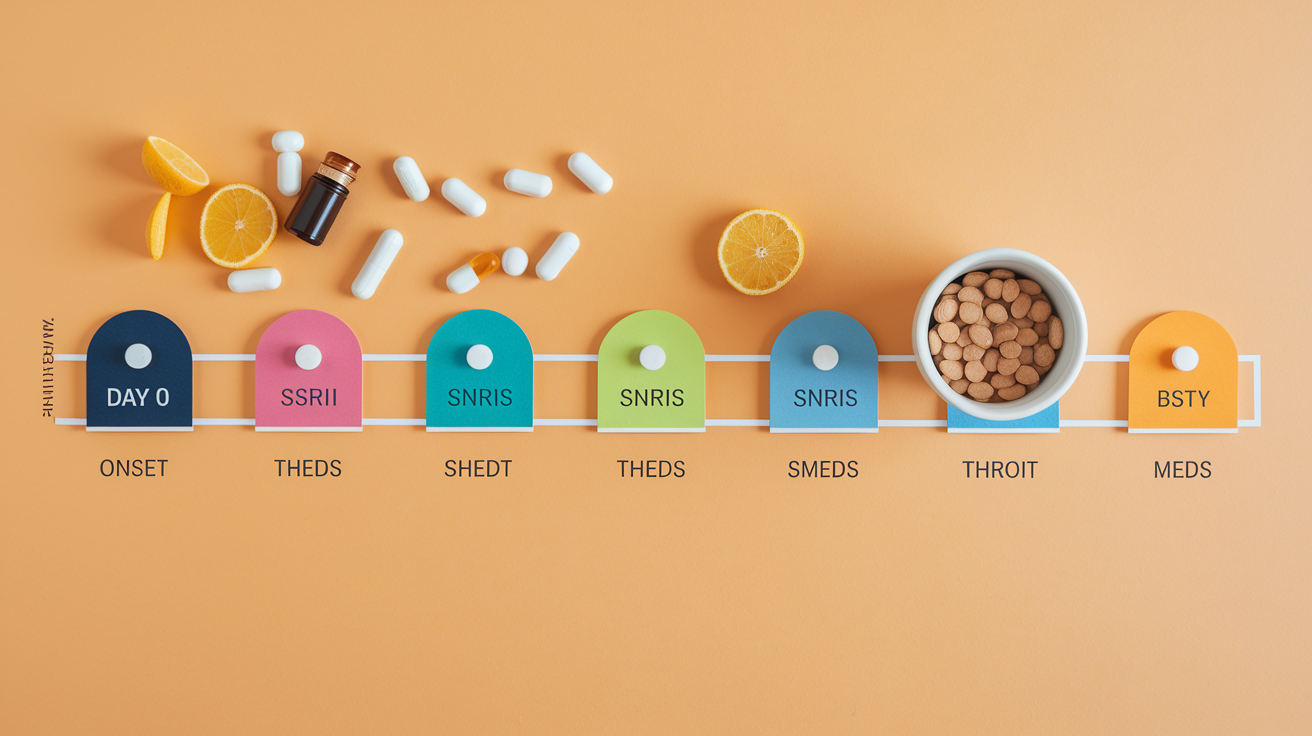
The timeline for medication-linked anxiety depends on how the drug works, how quickly it enters your system, and whether you’re starting, adjusting, or stopping a dose.
Stimulant medications (ADHD drugs, asthma rescue inhalers, caffeine pills) act fast. Anxiety, jitteriness, or a racing heart can appear within 30 minutes to two hours after a dose. The effect peaks when blood levels are highest and usually fades within a few hours as the drug clears your system.
Antidepressant-related anxiety follows a different pattern. The jittery, agitated feeling often starts within the first few days to two weeks of starting an SSRI or SNRI, as serotonin levels shift but your brain hasn’t yet adapted. For most people, this early activation settles by week three or four. If it doesn’t, the dose may need to be lowered or the medication switched.
Corticosteroid-induced anxiety is dose and duration dependent. Low doses for a few days rarely cause mood problems, but higher doses or courses lasting weeks to months raise the risk of irritability, insomnia, and frank anxiety. Symptoms can appear anywhere from a few days into treatment to several weeks later.
Thyroid medication effects are tied to blood levels. If your dose is increased or if you accidentally take too much, anxiety-like symptoms (sweating, tremor, palpitations) can develop within a few days to a week. Clinicians adjust dosing based on lab results to bring levels back to normal.
| Medication Class | Typical Onset After Starting or Dose Increase | Typical Duration if Medication Continues |
|---|---|---|
| Stimulants (Adderall, Ritalin, albuterol) | 30 minutes to 2 hours | Lasts hours; fades as drug clears |
| SSRIs/SNRIs (sertraline, escitalopram, venlafaxine) | 1 to 14 days | Often resolves by weeks 3–4; may persist if dose too high |
| Corticosteroids (prednisone, hydrocortisone) | Days to weeks, depending on dose and duration | Can persist throughout treatment; improves with taper |
| Thyroid medication (levothyroxine) | Few days to 1 week | Continues until dose is adjusted; labs guide changes |
| Withdrawal (antidepressants, benzodiazepines) | Hours to days after abrupt stop | Days to weeks; longer if dependence is established |
Distinguishing Medication Side Effects from Panic Disorder

It can be hard to tell whether sudden anxiety is a medication side effect, a primary anxiety disorder, or something else entirely. The key is timing and pattern.
Medication-induced anxiety almost always has a clear temporal link. Symptoms start soon after you begin a new drug, increase a dose, or stop a medication abruptly. If you’ve never had panic attacks before and they appear two days after starting a stimulant or within a week of beginning an SSRI, the medication is a strong suspect. Primary panic disorder, on the other hand, usually develops gradually or follows a period of chronic stress. It doesn’t neatly align with prescription changes.
Another clue: medication-linked anxiety often improves or disappears when the drug is stopped or the dose is adjusted. Primary anxiety disorders persist regardless of what medications you’re taking.
Clinicians rely on a detailed timeline. When did symptoms start, what changed in your medication routine, how quickly did things escalate. They may order lab tests to rule out medical causes: thyroid panels to check for hyperthyroidism, metabolic panels to look for electrolyte imbalances, and sometimes urine or blood screens if substance use is a concern. The DSM-5 criteria for substance-induced anxiety disorder require that symptoms develop during or shortly after substance exposure and are not better explained by an independent mental health condition.
Six signs that point toward medication side effects rather than primary panic disorder:
Symptoms began within days to weeks of starting, increasing, or stopping a medication.
You have no prior history of panic attacks or generalized anxiety before this medication change.
Physical symptoms (palpitations, tremor, sweating) are more prominent than psychological worry.
Anxiety spikes predictably after each dose or peaks at certain times of day.
Lab tests (e.g., thyroid, stimulant levels) show abnormal results that match your symptoms.
Symptoms improve or resolve when the medication is adjusted or discontinued under supervision.
Withdrawal-Related Anxiety After Stopping Medications

Stopping certain medications abruptly can trigger anxiety that’s just as intense (and sometimes more frightening) than anxiety caused by taking the drug in the first place.
Antidepressant discontinuation syndrome is common when an SSRI, SNRI, TCA, or MAOI is stopped suddenly after at least one month of use. Symptoms include anxiety, irritability, agitation, dizziness, nausea, vertigo, and in rare cases a temporary mood swing toward mania. The anxiety often feels different from the original condition the antidepressant was treating. It’s more physical, more abrupt, and closely tied to the timing of the last dose.
Benzodiazepines carry an even higher withdrawal risk. These medications (lorazepam, clonazepam, diazepam) are effective for short-term anxiety relief, but the brain adapts to their presence. When they’re stopped too quickly, rebound anxiety can be severe, accompanied by tremor, sweating, rapid heart rate, and in serious cases, seizures.
Opiate withdrawal produces significant agitation and restlessness, along with muscle aches, insomnia, and gastrointestinal distress. Beta-blockers, corticosteroids, and some blood pressure medications can also cause rebound symptoms (including anxiety, elevated heart rate, or blood pressure spikes) if discontinued abruptly. The safest approach is always a gradual taper under medical supervision.
Safe withdrawal steps (general guidance only, always follow your clinician’s plan):
Never stop a prescribed medication suddenly without talking to your prescriber first, especially antidepressants, benzodiazepines, beta-blockers, or corticosteroids.
Work with your clinician to design a taper schedule that reduces the dose slowly over weeks or months, depending on the drug and how long you’ve been taking it.
Monitor symptoms daily during the taper. Track mood, physical sensations, sleep quality, and anxiety levels to help your provider adjust the plan if needed.
Use supportive strategies during the taper: regular sleep schedule, balanced meals, gentle exercise, grounding techniques, and social support to buffer the discomfort.
Contact your prescriber immediately if you experience severe anxiety, panic attacks, suicidal thoughts, or any concerning physical symptoms during withdrawal.
Immediate Relief Steps for Sudden Medication-Linked Anxiety

When anxiety hits suddenly (heart pounding, hands shaking, chest tight) you need something to do right now that’s safe and low-risk.
Start with slow breathing. Inhale gently through your nose for a count of four, hold for a count of two, then exhale slowly through your mouth for a count of six. The longer exhale activates your parasympathetic nervous system, the part of your body that calms the fight-or-flight response. Do this for two to three minutes. It won’t erase the anxiety, but it’ll often take the edge off and give you enough space to think clearly.
If your mind is racing or you feel disconnected, use a grounding technique: name five things you can see, four things you can touch, three things you can hear, two things you can smell, and one thing you can taste. This pulls your attention out of your head and back into the present moment.
Avoid adding fuel to the fire. If you’ve just taken a stimulant medication or had caffeine, don’t reach for more coffee, energy drinks, or anything else that speeds your system. Drink cool water, splash cold water on your face, or hold an ice cube in your hand. The physical shock interrupts the anxiety spiral. If you can, step outside for a short, slow walk. Movement helps metabolize adrenaline and gives your body something to do with the jittery energy.
Six immediate steps during a sudden anxiety spike:
Practice slow, controlled breathing. Four-count inhale, six-count exhale, repeat for two to three minutes.
Use grounding techniques to anchor yourself in the present moment (5-4-3-2-1 sensory check).
Drink cool water and avoid any additional stimulants (caffeine, energy drinks, decongestants).
Splash cold water on your face or hold ice in your hand to interrupt the panic response.
Take a slow walk in fresh air if you can safely do so. Gentle movement helps burn off adrenaline.
Sit or lie down in a quiet space, relax your shoulders, and remind yourself that medication-linked anxiety is temporary and will pass.
When Anxiety from Medication Requires Urgent Care

Most medication-linked anxiety is uncomfortable but not dangerous. Some situations, though, need immediate medical attention.
Call 911 or go to the nearest emergency department if you experience severe chest pain that doesn’t ease with rest, difficulty breathing or feeling like you can’t get enough air, fainting or loss of consciousness, seizure activity, or severe confusion or agitation that makes it hard to think or communicate. Suicidal thoughts or any impulse to harm yourself also require urgent intervention. Call 988 (the Suicide and Crisis Lifeline) or have someone take you to the ER. These symptoms can signal a serious reaction, a hypertensive crisis (dangerously high blood pressure), serotonin syndrome (from too much serotonergic medication), or another medical emergency that needs rapid treatment.
Contact your prescriber or seek same-day urgent care if you have new, severe, or worsening anxiety after starting or stopping a medication, panic attacks that feel out of control, persistent palpitations or rapid heart rate that doesn’t settle, tremors or shaking that interfere with daily tasks, or any other concerning physical or mental symptoms. Do not stop your medication on your own. Many drugs require a gradual taper to avoid withdrawal complications.
| Symptom Category | Urgent (Call 911 or Go to ER) | Non-Urgent (Contact Prescriber Same Day or Next Business Day) |
|---|---|---|
| Chest pain | Severe, crushing, or radiating pain | Mild discomfort or palpitations without severe pain |
| Breathing | Difficulty breathing, gasping, unable to speak | Shortness of breath that eases with rest or slow breathing |
| Mental status | Severe confusion, hallucinations, suicidal thoughts or actions | Increased anxiety, agitation, or irritability without confusion or suicidal ideation |
| Physical collapse | Fainting, seizure, unresponsiveness | Lightheadedness or near-fainting that resolves when you sit or lie down |
| Blood pressure or heart rate | Hypertensive crisis signs (severe headache, vision changes, chest pain) | Rapid heart rate or palpitations without chest pain or vision changes |
Safe Ways to Adjust or Switch Medications that Trigger Anxiety

If a medication is causing anxiety that’s persistent or severe, your prescriber has several options to reduce or eliminate the problem.
The first step is usually a dose adjustment. Lowering the dose of a stimulant, antidepressant, thyroid medication, or corticosteroid often reduces anxiety without losing the therapeutic benefit. If you’re on an SSRI and experiencing early jitteriness, your clinician may temporarily lower the dose, then increase it more gradually once your system adapts. For stimulants, switching to an extended-release formulation can smooth out peaks and reduce the jittery spikes that trigger anxiety.
If a dose change doesn’t help, switching to a different medication in the same class (or a completely different class) is the next option. For example, if one SSRI causes agitation, a different SSRI or an SNRI might not. If stimulant medications consistently trigger anxiety, your prescriber might try a non-stimulant ADHD medication like atomoxetine or guanfacine. Cross-tapering is sometimes used when switching antidepressants: the old medication is tapered down slowly while the new one is introduced at a low dose and gradually increased. This reduces the risk of withdrawal symptoms and allows for a smoother transition.
Never stop a medication abruptly without medical guidance. Many drugs (especially antidepressants, benzodiazepines, beta-blockers, and corticosteroids) require a gradual taper to prevent rebound symptoms, withdrawal syndromes, or even dangerous physiological reactions. Your prescriber will design a tapering schedule based on the medication, how long you’ve been taking it, and your individual response.
Typical steps when adjusting or switching medications:
Schedule a conversation with your prescriber as soon as anxiety becomes bothersome. Don’t wait weeks hoping it’ll resolve on its own.
Your clinician will review the timeline, symptom severity, and whether the medication is working for its intended purpose.
If the medication is helping but anxiety is a problem, a dose reduction or switch to extended-release formulation may be tried first.
If anxiety persists or the medication isn’t effective, your prescriber will design a cross-taper or gradual switch to a different drug, monitoring you closely during the transition.
Lifestyle and Non-Drug Strategies to Reduce Medication-Triggered Anxiety Risk

Simple daily habits can lower your sensitivity to medication side effects and make sudden anxiety less likely or less severe.
Caffeine is the most widely used psychoactive substance (roughly 80 percent of adults in Western countries consume enough to affect the brain) and it amplifies anxiety, especially when combined with stimulant medications, thyroid drugs, or asthma inhalers. If you’re starting a new medication known to cause jitteriness, cut back on coffee, energy drinks, pre-workout supplements, and even some over-the-counter cold medicines that contain caffeine.
Sleep matters, too. Poor sleep increases baseline anxiety and lowers your threshold for medication-related side effects. Aim for consistent sleep and wake times, a cool dark room, and a wind-down routine that doesn’t involve screens in the hour before bed.
Five strategies to buffer medication-triggered anxiety:
Limit or eliminate caffeine, especially when starting stimulants, thyroid medication, or antidepressants known to cause activation.
Prioritize sleep hygiene. Consistent schedule, dark quiet room, no screens before bed. This reduces baseline nervous-system arousal.
Eat balanced meals with protein and complex carbs to stabilize blood sugar and avoid hypoglycemia-driven anxiety spikes.
Build in gentle daily movement (walking, stretching, yoga) to help metabolize stress hormones and regulate the nervous system.
Practice a simple grounding or breathing routine daily so it becomes automatic and easier to use during an anxiety spike.
Tools to Track Anxiety Symptoms After Starting a Medication
Keeping a symptom log makes it easier to spot patterns, communicate clearly with your prescriber, and decide whether a medication change is needed.
Track when symptoms happen, how severe they are, what you were doing, and what else was going on (caffeine intake, sleep quality, stress level, menstrual cycle phase if relevant). Note the exact time you took the medication and when anxiety appeared. This timing data helps your clinician determine whether the drug is the cause. Rate severity on a simple 0-to-10 scale so you can see whether things are getting better, worse, or staying the same over days and weeks.
You don’t need a fancy app. A notebook, a notes app on your phone, or a simple spreadsheet works fine. The goal is consistency and clarity, not perfection.
| What to Track | Why It Matters | Example Entry |
|---|---|---|
| Date, time, and dose of medication | Shows temporal link between medication and symptoms | “March 12, 8:00 AM, took 10 mg Adderall” |
| When anxiety started and how long it lasted | Reveals onset pattern and duration | “Anxiety started 9:15 AM, lasted until noon” |
| Severity (0–10 scale) | Tracks whether symptoms are improving, worsening, or stable | “Severity 7/10 — hard to focus, shaky hands” |
| Triggers and context (caffeine, sleep, stress, food) | Identifies amplifying factors you can modify | “Had large coffee at 8:30 AM, slept poorly last night” |
Common Questions About Sudden Anxiety Triggered by Medications
People often wonder how long medication-linked anxiety lasts, whether it’s permanent, and what to do if multiple medications are involved.
Panic attacks triggered by a medication can persist temporarily after you stop the drug, but they usually decrease as your brain chemistry normalizes. For stimulants, anxiety often fades within hours to days after the last dose. For antidepressants, withdrawal-related anxiety or residual activation may linger for a few days to a few weeks, depending on how long you were on the medication and how quickly it was stopped. Substance-induced anxiety is rarely permanent. Once the offending medication is eliminated or adjusted and withdrawal is managed safely, most people see significant improvement.
Drug interactions can amplify anxiety symptoms. Combining stimulants with caffeine, thyroid medication with decongestants, or certain antidepressants with each other can create an additive or synergistic effect that pushes your nervous system into overdrive. Always tell your prescriber and pharmacist about every medication, supplement, and over-the-counter product you’re taking so they can check for interactions.
Six frequently asked questions:
How long does medication-induced anxiety last? It depends on the drug. Stimulant-related anxiety often resolves within hours to days after stopping. Antidepressant jitteriness may last one to four weeks. Corticosteroid anxiety can persist throughout treatment and improve once the drug is tapered. Withdrawal anxiety typically improves over days to weeks with proper tapering.
Can medication-triggered anxiety become permanent? No. Substance-induced anxiety is usually temporary and resolves once the medication is adjusted, stopped, or your body adapts. If anxiety persists long after the drug is out of your system, it may indicate an independent anxiety disorder that needs separate treatment.
What if I’m on multiple medications and don’t know which one is causing anxiety? Work with your prescriber to review the timeline. When did each medication start, when did anxiety begin. Your clinician may adjust or temporarily stop one medication at a time (under supervision) to identify the culprit, or order labs to check for drug interactions or overdose.
Do drug interactions make anxiety worse? Yes. Stimulants plus caffeine, thyroid medication plus decongestants, or combining multiple serotonergic drugs can all intensify anxiety. Always disclose every medication and supplement to your prescriber and pharmacist.
Should I stop my medication if it’s causing anxiety? Not on your own. Many medications require a gradual taper to avoid dangerous withdrawal. Contact your prescriber first to discuss dose adjustment, switching medications, or designing a safe tapering plan.
If I had anxiety before starting the medication, how do I know the drug is making it worse? Look for a clear increase in symptoms shortly after starting or increasing the dose. Track severity and timing. If anxiety spikes within days to weeks of a medication change and improves when the dose is lowered or the drug is stopped, the medication is likely contributing.
Final Words
If you felt a sudden spike of worry after a dose change, this post focused on the top meds that can cause it, how they do it, and the usual timing of symptoms.
You also got quick relief ideas, simple tracking prompts to bring to your prescriber, and clear red flags that mean you should seek urgent care.
If you suspect sudden anxiety triggered by medication side effects, don’t stop meds on your own—note timing and severity, call your prescriber, and get emergency help for chest pain, trouble breathing, fainting, or severe confusion. Small, safe steps often help, and your care team can guide the next move.
FAQ
Q: Why did my anxiety come back out of nowhere?
A: Anxiety can come back out of nowhere because a recent trigger, medication change, lack of sleep, caffeine, hormone shifts, or withdrawal can suddenly ramp up your nervous system. Track timing and tell your clinician if it lasts.
Q: How to get out of an anxiety flare up?
A: To get out of an anxiety flare-up, slow your breathing (long exhale), ground using senses, sip water, step outside for fresh air, avoid more caffeine, and call someone or seek help if symptoms worsen.
Q: What are the symptoms of an anxiety flare-up?
A: Symptoms of an anxiety flare-up include a racing heart, sweating, trembling, shortness of breath, chest tightness, dizziness or lightheadedness, nausea or stomach upset, and an intense urge to escape or worry.
Q: Why did my anxiety suddenly go away?
A: Anxiety can suddenly go away because the trigger passed, adrenaline wore off after a panic, a medication started working, or your body shut down from exhaustion; keep tracking and tell your clinician if unsure.
Comments are closed