Think antacids fix every bloated belly? Not necessarily.
A tight, swollen stomach feels urgent, and you want relief fast.
The safest, quickest over-the-counter choice depends on the cause, like trapped gas, dairy, tough-to-digest veggies, acid, or loose stools.
In this post you’ll get a clear rundown of fast-acting options like simethicone, lactase, alpha-galactosidase, activated charcoal, antacids, and bismuth subsalicylate.
You’ll also get simple try-this-now steps, what to track for your clinician, and clear red flags that mean get help sooner.
Fast-Acting OTC Options for a Bloated Stomach
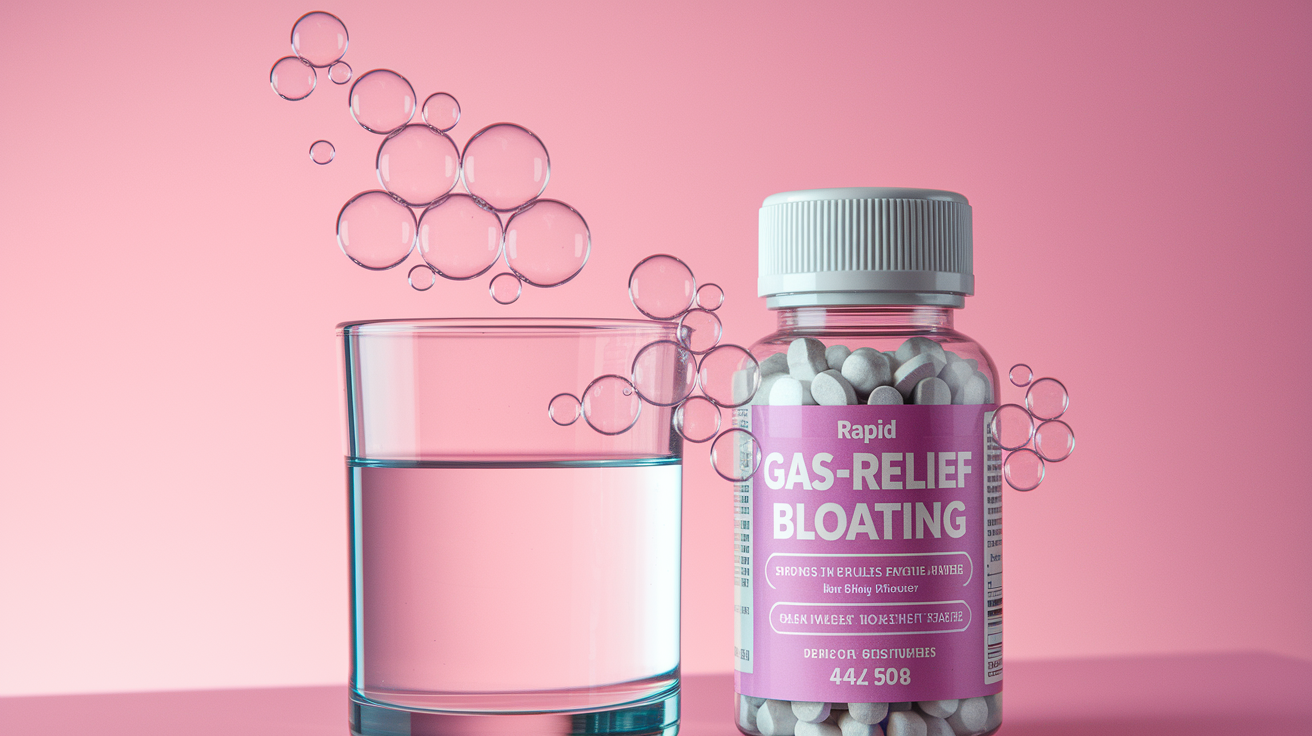
When your stomach feels tight and swollen, you want relief now. Not in three days. The fastest over-the-counter option depends on what’s causing the puffiness, but a few choices stand out.
Simethicone is often the quickest fix for general trapped gas. It’s a defoaming agent that helps small gas bubbles merge into larger ones you can burp or pass more easily. Adults can take 40 to 125 mg up to four times a day, with a daily max of 500 mg. It starts working within minutes and rarely causes side effects. “I took one Gas-X chewable and felt relief before I even left the pharmacy parking lot.” Activated charcoal capsules may also reduce bloating by grabbing onto gas molecules as they move through your digestive tract. Typical dose is 10 to 100 mg dissolved in water, though frequent use can mess with nutrient absorption. A 2017 study found that a daily mix of activated charcoal plus simethicone improved abdominal pain without reported side effects, but we need more research.
For bloating triggered by specific foods, digestive enzymes can help. Lactase breaks down lactose in dairy products. Take up to 9,000 FCC units right before eating cheese, milk, or ice cream if you’re lactose intolerant. Alpha-galactosidase targets the hard-to-digest sugars in beans, broccoli, and Brussels sprouts. If bloating comes with heartburn or a burning sensation, antacids containing calcium carbonate, magnesium hydroxide, or aluminum hydroxide neutralize stomach acid quickly, often within minutes. Bismuth subsalicylate (like Pepto-Bismol) works for bloating paired with diarrhea or minor inflammation. Adults can take 30 mL every 30 to 60 minutes, up to a max of 240 mL in 24 hours.
Each remedy targets a different cause:
- Simethicone works best for trapped gas bubbles and that stuffed feeling from swallowed air
- Lactase is your go-to for bloating after dairy (milk, yogurt, soft cheese)
- Alpha-galactosidase handles gas from beans, lentils, cruciferous vegetables
- Activated charcoal may help general bloating but can reduce nutrient absorption with regular use
- Antacids are best for bloating paired with heartburn or acid reflux
- Bismuth subsalicylate tackles bloating with mild diarrhea or intestinal irritation
Deeper Mechanisms Behind Additional OTC Bloating Remedies

A few other over-the-counter options work on bloating by addressing acid production or motility rather than gas itself. Sodium bicarbonate (plain baking soda) reacts with stomach acid to form salt, water, and carbon dioxide, which you then burp out. Dissolving half a teaspoon in water can offer quick relief for acid-related bloating, but avoid large amounts. Drinking too much when your stomach is full has caused serious injury in rare cases.
Loperamide (sold as Imodium) is an opioid-acting agent that slows the movement of your intestines, reducing diarrhea and the gas that comes with it. A typical dose is about 4 mg at a time. This only makes sense when you have diarrhea alongside bloating. It won’t help trapped gas on its own and carries a risk of addiction and other side effects if overused or taken at high doses.
| Medicine | How It Works | Best Use Case |
|---|---|---|
| Sodium bicarbonate | Neutralizes stomach acid, producing CO₂ you can burp | Quick acid-related bloating relief at home |
| Loperamide (Imodium) | Slows intestinal movement to reduce diarrhea and associated gas | Bloating paired with diarrhea only |
| H2 blockers (e.g., Pepcid AC) | Reduce stomach acid production for several hours | Acid-related bloating lasting a few hours |
| PPIs (e.g., Prilosec OTC) | Suppress acid at the cellular pump level | Persistent acid symptoms over days or weeks |
OTC Dosage and Safety Guidelines for Bloating Medicines
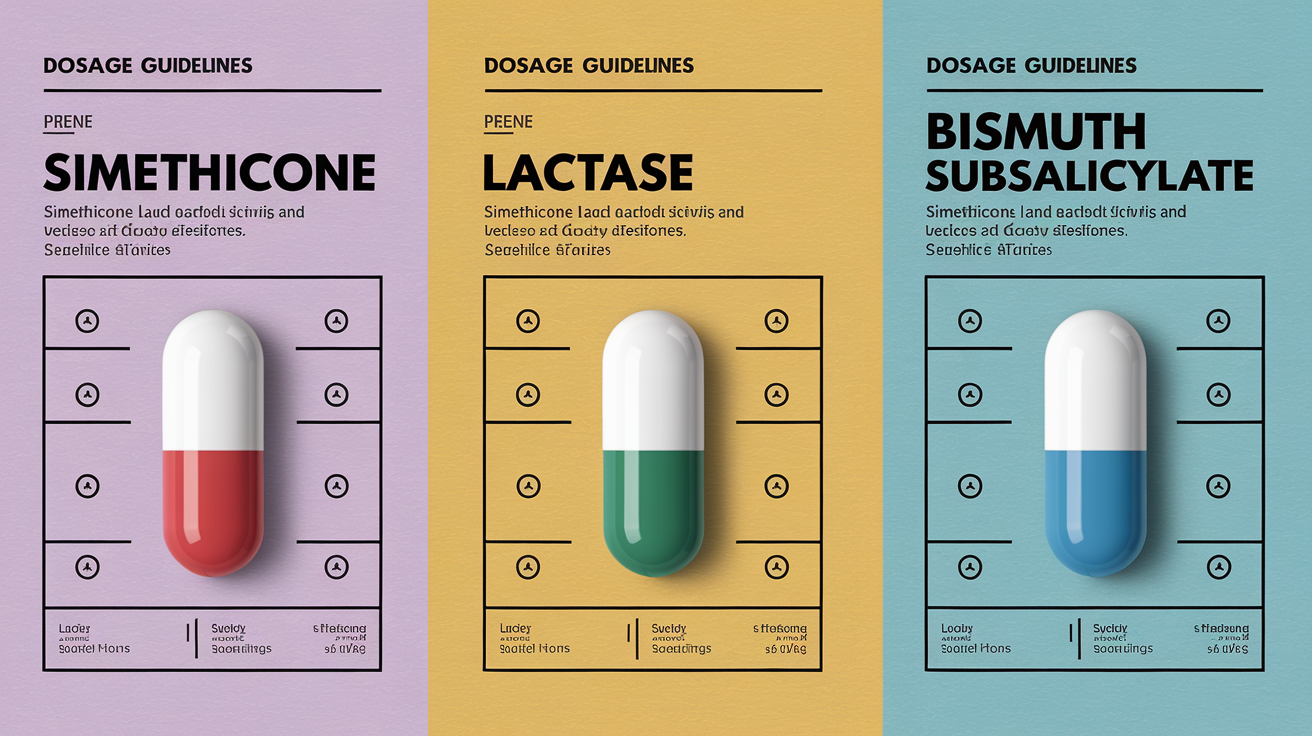
Dosing for bloating medicines varies by age and product, so always check the label and follow the maximum daily limits. For simethicone, adults can take 40 to 125 mg four times a day with a ceiling of 500 mg in 24 hours. Children ages 2 to 12 can take 40 mg four times daily (maximum 480 mg per day), and children under 2 can take 20 mg four times daily (maximum 240 mg per day). Lactase dosing depends on the brand, but most recommendations suggest up to 9,000 FCC units taken right before you eat dairy. For bismuth subsalicylate, adults shouldn’t exceed 240 mL in 24 hours, and continuous use should be limited to two days.
Activated charcoal is usually dosed at 10 to 100 mg dissolved in water, but frequent use can strip your body of nutrients and interfere with absorption of other medications or supplements you’re taking. Sodium bicarbonate should be used sparingly. Half a teaspoon in water is a common home dose, but larger amounts or repeated use can cause electrolyte imbalances or serious stomach injury if your stomach is very full. Loperamide carries a risk of dependency and serious cardiac effects if misused, so stick to the package directions and use it only for diarrhea-related bloating.
Major safety warnings to remember:
- Activated charcoal can reduce absorption of nutrients and other drugs. Avoid daily use
- Bismuth subsalicylate shouldn’t be used longer than 2 days without medical advice. Avoid if you’re allergic to aspirin or salicylates
- Lactase can rarely cause allergic reactions, including swelling of the face, tongue, or throat. Seek immediate care if this happens
- Loperamide is only for bloating with diarrhea and shouldn’t be overused due to addiction and heart rhythm risks
Choosing the Right Over-the-Counter Gas Remedy Based on Your Symptoms

The best bloating medicine is the one that matches your cause. If your belly puffs up after you drink milk or eat ice cream, you likely need lactase, not simethicone. If you feel tight and full after a big meal of beans and broccoli, alpha-galactosidase is the smarter pick. Bloating that comes with heartburn or a sour taste in your mouth usually responds to antacids or acid reducers, while bloating paired with loose stools calls for bismuth subsalicylate.
Start by noticing the pattern. Does bloating show up right after you eat certain foods, or does it build slowly over the day? Does it come with other symptoms like burning, cramping, or urgent bathroom trips? Your answers will point you toward the right remedy.
Match your symptoms to the best OTC treatment:
- Tight, full belly after any meal → simethicone for trapped gas
- Bloating after milk, cheese, yogurt, or ice cream → lactase enzyme before eating dairy
- Puffiness after beans, lentils, broccoli, cabbage, onions → alpha-galactosidase before the meal
- Bloating with heartburn or acid reflux → antacids (calcium carbonate, magnesium hydroxide) or H2 blockers
- Bloating with diarrhea or mild stomach upset → bismuth subsalicylate
- Bloating with constipation or hard stools → bulk-forming, osmotic, or stimulant laxatives (details in next section)
- General bloating, unclear cause → activated charcoal or simethicone. Track patterns in a food journal
If you try the right category of medicine and still feel miserable after a few days, or if symptoms are getting worse, it’s time to check in with a clinician rather than cycle through more OTC options.
OTC Options for Constipation-Related Bloating

When bloating comes from sluggish bowel movements or hard stools that won’t pass, laxatives can help. There are four main types. Bulk-forming laxatives add fiber to your stool (like psyllium or methylcellulose). Osmotic laxatives pull water into the intestines (examples include polyethylene glycol and lactulose). Stimulant laxatives trigger muscle contractions in the bowel (such as bisacodyl or sodium picosulfate). And stool softeners make stool easier to pass (like docusate). Each type works a little differently, but all can reduce the puffiness and pressure that builds when waste sits too long in your colon.
Use caution with laxatives. They’re not meant for daily or long-term use. If you need a laxative for more than a week, talk to a clinician to rule out underlying issues. Common side effects include flatulence, abdominal cramps, and darker urine. Stimulant laxatives can cause dependency if used too often, and bulk-forming options can make bloating worse temporarily if you don’t drink enough water.
If constipation is your main problem, try increasing water intake and dietary fiber first. If you still need a laxative, start with a gentle osmotic or bulk-forming option rather than jumping straight to a stimulant. Track how often you’re using it and bring that information to your next appointment if the pattern continues.
Acid-Reducing OTC Medicines for Bloating Relief
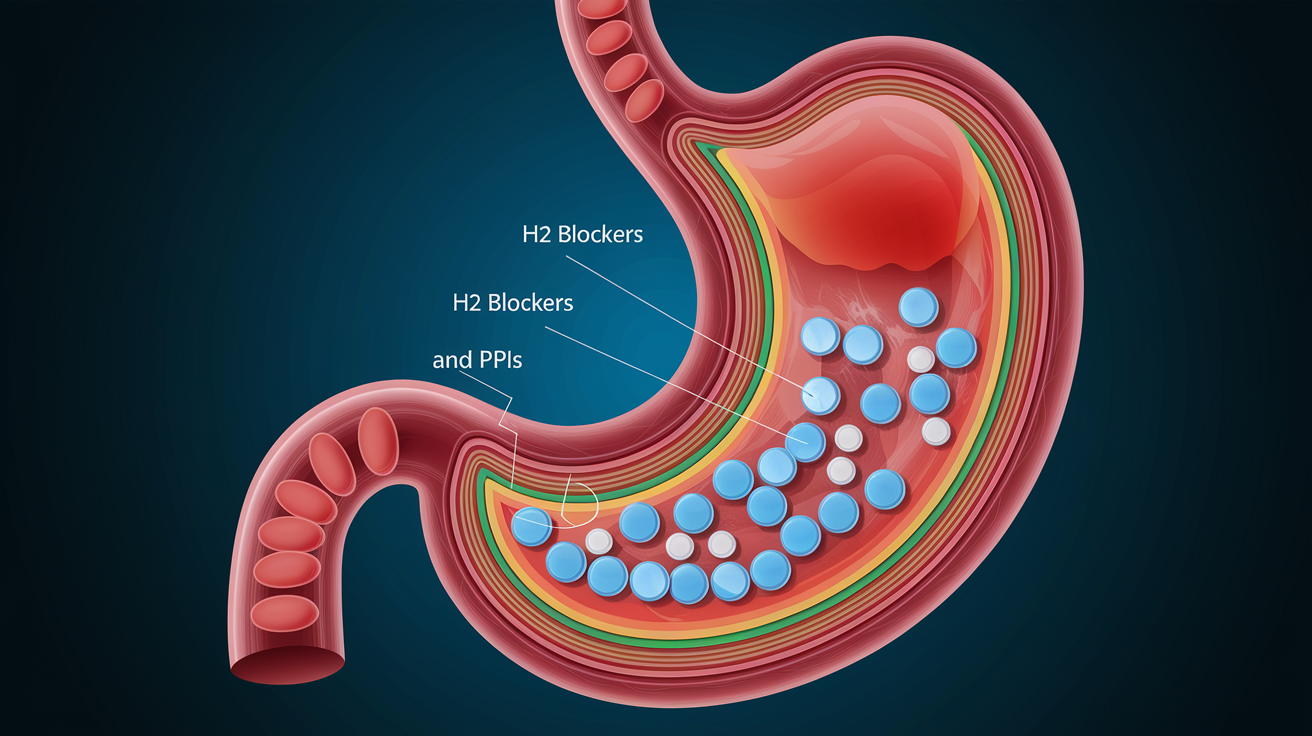
Bloating that comes with heartburn, a sour taste, or a burning sensation in your chest often stems from excess stomach acid. Three categories of over-the-counter medicines can help, and they work at different speeds and depths. Antacids neutralize acid already in your stomach using ingredients like calcium carbonate, magnesium hydroxide, or aluminum hydroxide. They work fast, often within minutes, but the effect is short-lived, usually lasting an hour or two. Think of antacids as the quick fix for acid-related bloating after a heavy or spicy meal.
H2 blockers (like Pepcid AC, which contains famotidine) reduce the amount of acid your stomach produces. They take longer to kick in than antacids, usually 30 to 60 minutes, but they last several hours. If you know a certain meal or situation tends to give you acid bloating, taking an H2 blocker beforehand can prevent the problem. Proton pump inhibitors (PPIs like Prilosec OTC, which contains omeprazole) are the strongest acid suppressors available over the counter. They block acid production at the cellular level, but they can take a day or more to reach full effect and are meant for longer-term or recurring acid issues, not one-off bloating.
Key differences at a glance:
- Antacids work in minutes, last 1 to 2 hours. Best for immediate acid bloating
- H2 blockers work in 30 to 60 minutes, last several hours. Good for predictable acid triggers
- PPIs work in 1 to 2 days, suppress acid deeply. Best for persistent or frequent acid-related bloating over days or weeks
Non-Pharmaceutical Bloating Relief Options
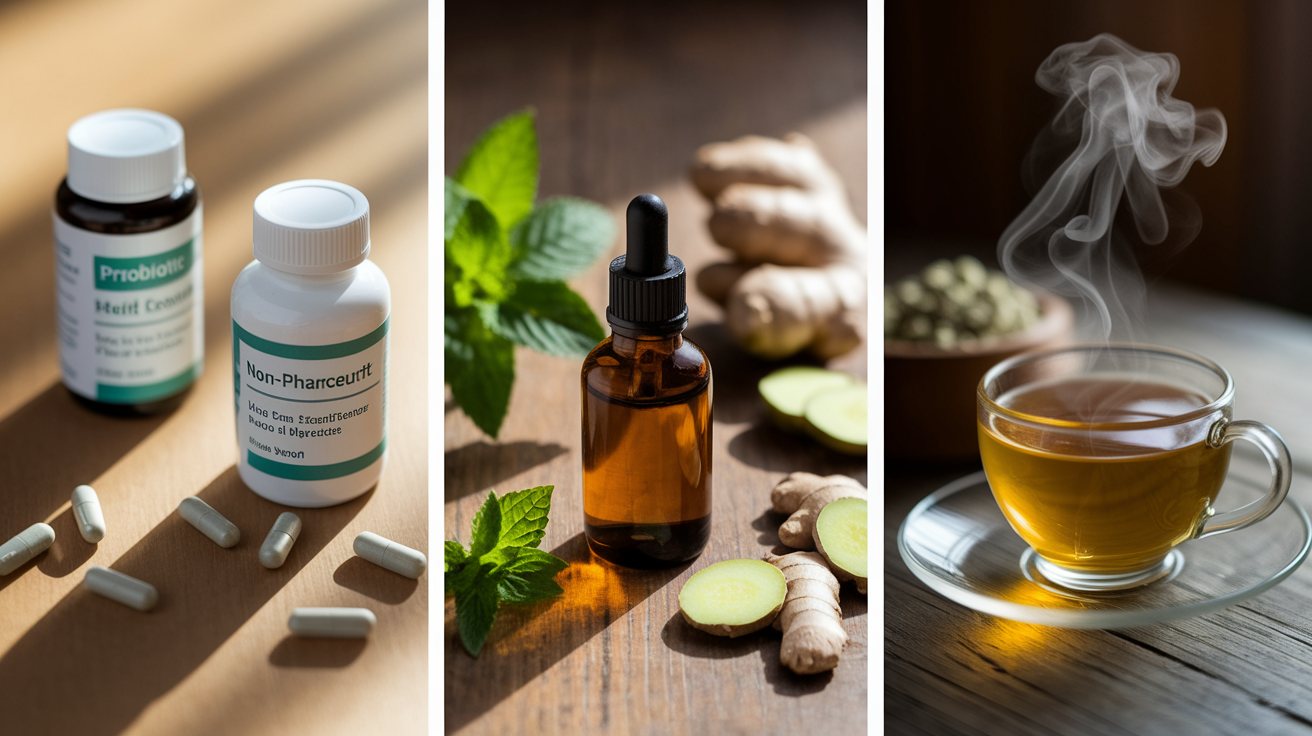
Some people prefer to start with supplements or herbal options before reaching for a medicine. Probiotic supplements can help restore beneficial gut bacteria, especially after a course of antibiotics has disrupted your microbiome. Probiotics won’t fix bloating instantly, but they may reduce gas and improve digestion over a few weeks. Peppermint oil capsules are another popular choice. They relax the muscles in your digestive tract and may ease cramping and bloating. Just know that peppermint can worsen symptoms if you have GERD or acid reflux, because it can relax the valve between your stomach and esophagus.
Prebiotics are fibers that feed the good bacteria already in your gut. Unlike probiotics, which add bacteria, prebiotics support the ones you have. Some people find that prebiotic supplements cause temporary bloating as gut bacteria adjust, so start with a small dose. Herbal teas like ginger or chamomile can soothe your stomach and may reduce nausea or mild bloating, though the evidence for strong bloating relief is limited.
None of these natural options interact with your body the way pharmaceutical agents do, but they can still cause side effects or interact with other supplements. If you’re taking prescription medications, ask your clinician or pharmacist before adding herbal capsules or high-dose probiotics to your routine.
| Option | Best For |
|---|---|
| Probiotic supplements | Restoring gut flora after antibiotics; long-term digestive balance |
| Peppermint oil capsules | Cramping and bloating without GERD; IBS-related discomfort |
| Herbal teas (ginger, chamomile) | Mild nausea and digestive upset; calming ritual |
When an Over-the-Counter Remedy Isn’t Enough

OTC bloating medicines are safe and effective for occasional, mild symptoms. But they’re not appropriate for every situation, and some warning signs mean you need medical evaluation right away. If you have severe abdominal pain, the kind that doubles you over or wakes you from sleep, don’t wait to see if simethicone helps. The same goes for rapid or severe abdominal swelling, blood in your stool or vomit, or any signs of dehydration like confusion, dry mouth, or not urinating.
Persistent symptoms also warrant a visit. If diarrhea or constipation lasts more than three days, or if bloating continues despite trying the right OTC medicine, something else may be going on. Unexplained weight loss paired with bloating is another red flag. Some prescription medications cause bloating as a side effect, and your clinician may be able to adjust your dose or switch you to a different drug. In cases of severe gastroparesis or IBS-related spasm, prescription options like prokinetics or antispasmodics exist, but they come with significant risks. FDA black box warnings were issued in the 1990s for some prokinetics due to cardiac risks, and metoclopramide carries a warning about tardive dyskinesia if used longer than 12 weeks.
Seek medical attention if bloating occurs with:
- Severe or worsening abdominal pain
- Blood in stool or vomit
- Diarrhea or constipation lasting more than 3 days
- Rapid or severe abdominal swelling
- Signs of dehydration (confusion, dry mouth, little or no urination)
Practical Tips to Prevent Bloating Between OTC Doses

The best way to manage bloating is to reduce how often it happens in the first place. Gentle exercise like walking, jogging, swimming, or certain yoga poses (pulling your knees toward your belly while lying down) can help move gas through your digestive tract and ease pressure. Staying hydrated is especially important if you’re increasing fiber or using bulk-forming laxatives. Without enough water, fiber can make bloating worse instead of better.
A food and stress journal can help you spot patterns. Write down what you eat, when you eat it, any medications or supplements you take, your stress level or big events that day, and when bloating shows up. After a week or two, you may notice that bloating always follows coffee on an empty stomach, or that it spikes the week before your period, or that it’s worse on high-stress days. That information makes it easier to adjust your habits or bring useful data to your clinician.
Simple habits that may reduce bloating:
- Chew slowly and avoid talking while eating to reduce swallowed air
- Limit carbonated drinks, which add gas directly to your stomach
- Cut back on high-sodium foods, which can cause water retention and puffiness
- Add fiber gradually rather than all at once to give your gut time to adjust
- Try a warm heating pad on your belly for comfort during cramping or bloating
- Practice rotational belly massage. Place fingers under your breastbone, glide down and around in a clockwise circle toward your left hip, then toward your right hip, and back up. Repeat 2 to 3 times to help move trapped gas or waste
Final Words
If you need fast relief, start with what works: simethicone for trapped gas, lactase for dairy, antacids or H2/PPIs for acid, activated charcoal or bismuth for combined gas/diarrhea, and laxatives when constipation is the cause. Use recommended doses and watch for interactions.
We covered how each option works, safety limits, simple natural aids, and clear red flags that mean get medical care.
Track timing, triggers, and responses. This short guide to bloated stomach over the counter medicine gives practical next steps you can try safely, and most people improve with a few small changes.
FAQ
Q: What is the best medicine for a bloated stomach?
A: The best medicine for a bloated stomach depends on the cause. Fast OTC choices: simethicone (40–125 mg, up to 4× daily) for trapped gas; lactase before dairy; alpha‑galactosidase with beans; antacids for acid-related fullness. Try gentle walking and a heat pack now.
Q: Does BV make you bloat?
A: BV can cause lower belly discomfort and mild bloating for some, but bloating isn’t a classic BV sign. See a clinician if you have abnormal discharge, strong odor, fever, severe pain, or symptoms that persist or worsen.
Comments are closed