
Could your probiotic be the reason your belly feels worse after trying to help it?
Not all probiotics are the same.
Research shows a few specific strains—Lactobacillus plantarum, Bifidobacterium lactis, Bifidobacterium infantis, Lactobacillus rhamnosus, and Saccharomyces boulardii—are most likely to reduce bloating, visible puffiness, trapped gas, and that tight, swollen feeling.
This post explains how each strain works, the doses used in studies, simple low-risk steps to try now, and what to track so you can pick a product that actually helps instead of guessing.
Probiotic Strains That Help Reduce Bloating
Lactobacillus plantarum, Bifidobacterium lactis, Bifidobacterium infantis, and Lactobacillus rhamnosus have the strongest research backing for cutting down bloating and gas. They’re not swappable. Each one tackles different pathways, from slowing fermentation to changing how fast things move through your gut. Studies point to noticeable relief in one to four weeks when you’re getting 10 to 20 billion CFU, though it depends on the strain.
L. plantarum goes after gas pressure and fermentation pretty quickly. B. lactis helps get your stool frequency back on track, which matters if constipation’s feeding your bloating. B. infantis shows up in IBS research with real drops in pain and that tight, swollen feeling. L. rhamnosus supports regularity and can ease that stuck, heavy sensation after you eat. Picking the right strain beats grabbing whatever probiotic’s on sale.
Most people want bloating gone without the guesswork. The strains below have solid, repeated evidence behind them. Not every probiotic’s going to help, and some might make things temporarily worse if your gut’s adjusting or if SIBO’s in the picture. But these five have the clearest record for reducing bloating that shows up as visible puffiness, trapped gas, or that band of tightness around your middle.
Lactobacillus plantarum 299v cuts flatulence and abdominal pain. Multiple IBS trials back it at 10 to 20 billion CFU daily.
Bifidobacterium lactis HN019 improves how fast stool moves through your colon and how often you go. Reduces constipation bloating within 28 days.
Bifidobacterium infantis 35624 targets IBS symptoms like bloating, gas, and belly discomfort. Evidence shows benefits at doses as low as 1 billion CFU.
Lactobacillus rhamnosus GG supports digestive regularity and your gut barrier. Often included in multi-strain blends for bloating.
Saccharomyces boulardii is a beneficial yeast that helps restore balance after antibiotics and dials down fermentation-driven gas.
How Probiotics Reduce Bloating: Key Mechanisms
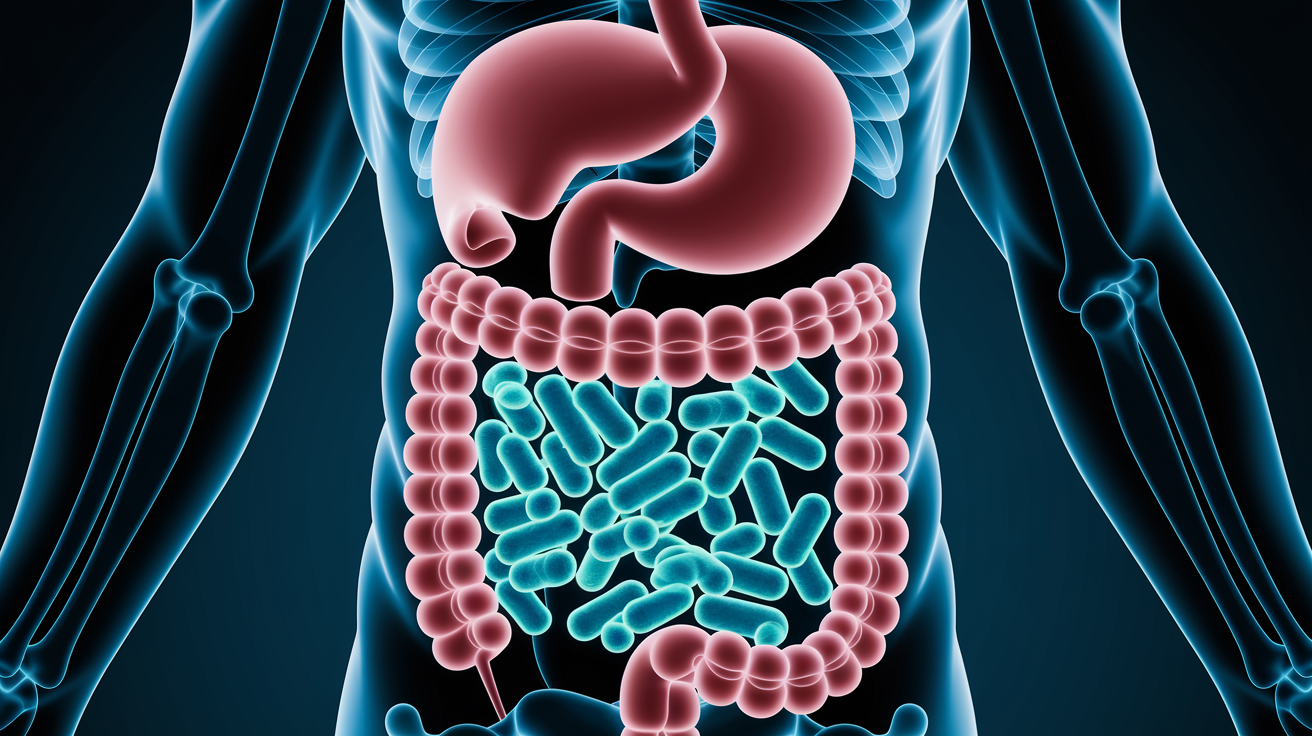
Probiotics bring down bloating by shifting the bacterial balance in your gut. When harmful or gas-heavy bacteria take over, fermentation cranks up and pumps out more hydrogen, methane, or other gases that stretch your intestines. Strains like Lactobacillus and Bifidobacterium crowd out those gas makers, release compounds that keep overgrowth in check, and push the whole environment toward one that breaks down food more efficiently and quietly.
They also change how fast your gut moves. Slow motility means stool lingers, ferments more, and builds pressure. Some Bifidobacterium strains have been shown to speed up colonic transit, which cuts down on gas buildup opportunities. At the same time, probiotics support your gut lining. A healthier barrier brings down inflammation and those immune overreactions that can trigger bloating even when gas levels are normal. What you get is less visible swelling, less discomfort, and fewer episodes of that trapped, puffed-up feeling.
The main ways probiotics cut bloating:
Crowding out gas-producing bacteria and limiting fermentation of stuff you didn’t fully digest
Improving gut motility so stool moves at a healthier pace with less gas piling up
Strengthening the intestinal barrier to reduce inflammation and immune-driven bloating responses
Detailed Overview of Effective Probiotic Strains
Lactobacillus plantarum
Lactobacillus plantarum, especially the 299v strain, keeps popping up in studies on IBS bloating and flatulence. One trial with 52 IBS patients showed that taking 20 billion CFU daily for four weeks brought measurable drops in both flatulence and abdominal pain. Another randomized controlled trial with 204 IBS patients found that 10 billion CFU daily cut abdominal pain severity and frequency by week two. 78% of the probiotic group reported excellent or good overall effects compared to 8% in placebo.
This strain works by improving how food breaks down in the small intestine and lowering gas from fermentation. It also makes antimicrobial substances that keep problem bacteria under control. If your bloating hits after meals and involves obvious gas, L. plantarum’s one of the first to try. The World Gastroenterology Organisation included it in their 2017 guidelines for IBS symptom relief.
Bifidobacterium lactis
Bifidobacterium lactis, particularly the HN019 strain, targets constipation bloating by speeding up how fast things move through your colon. In a 28-day trial, people taking B. lactis showed measurable improvements in transit time. Slower transit means more time for bacteria to ferment leftover food, which makes gas and that heavy, distended feeling. By getting transit back on schedule, this strain reduces both the gas and the backup.
It also helps regulate how often you go without swinging between extremes. If you bounce between constipation and loose stools, or if bloating gets worse the longer between bowel movements, B. lactis addresses the root pattern. Clinical doses in studies usually run 10 to 20 billion CFU daily, with benefits showing up within a few weeks of steady use.
Bifidobacterium infantis
Bifidobacterium infantis, especially strain 35624, has strong evidence for IBS bloating and abdominal discomfort. It works at lower doses than some others. Studies have shown symptom improvement at just 1 billion CFU daily. This strain supports immune modulation and brings down gut inflammation, so it targets bloating driven by an overactive immune response rather than just gas buildup.
In trials, IBS patients taking B. infantis reported less bloating, less abdominal pain, and more predictable bowel habits. It also boosts production of anti-inflammatory compounds in your gut. If your bloating comes with cramping, unpredictable bathroom trips, and a sense your gut’s always on edge or inflamed, B. infantis is a validated pick.
Saccharomyces boulardii
Saccharomyces boulardii is a beneficial yeast, not a bacteria, and it functions differently. It helps restore microbial balance after antibiotics, supports gut barrier integrity, and cuts down overgrowth of gas-making organisms. It’s especially useful if bloating started or got worse after antibiotics or if you’ve got a history of digestive disruption from meds.
Research supports its use for reducing diarrhea and gas, and it often shows up in probiotic plans for people with SIBO or dysbiosis. Because it’s a yeast, it survives stomach acid well and doesn’t compete with bacterial probiotics. That makes it a good partner in multi-strain or rotation strategies. Typical doses run from 5 to 10 billion CFU daily.
Recommended Probiotic Dosages for Bloating Relief
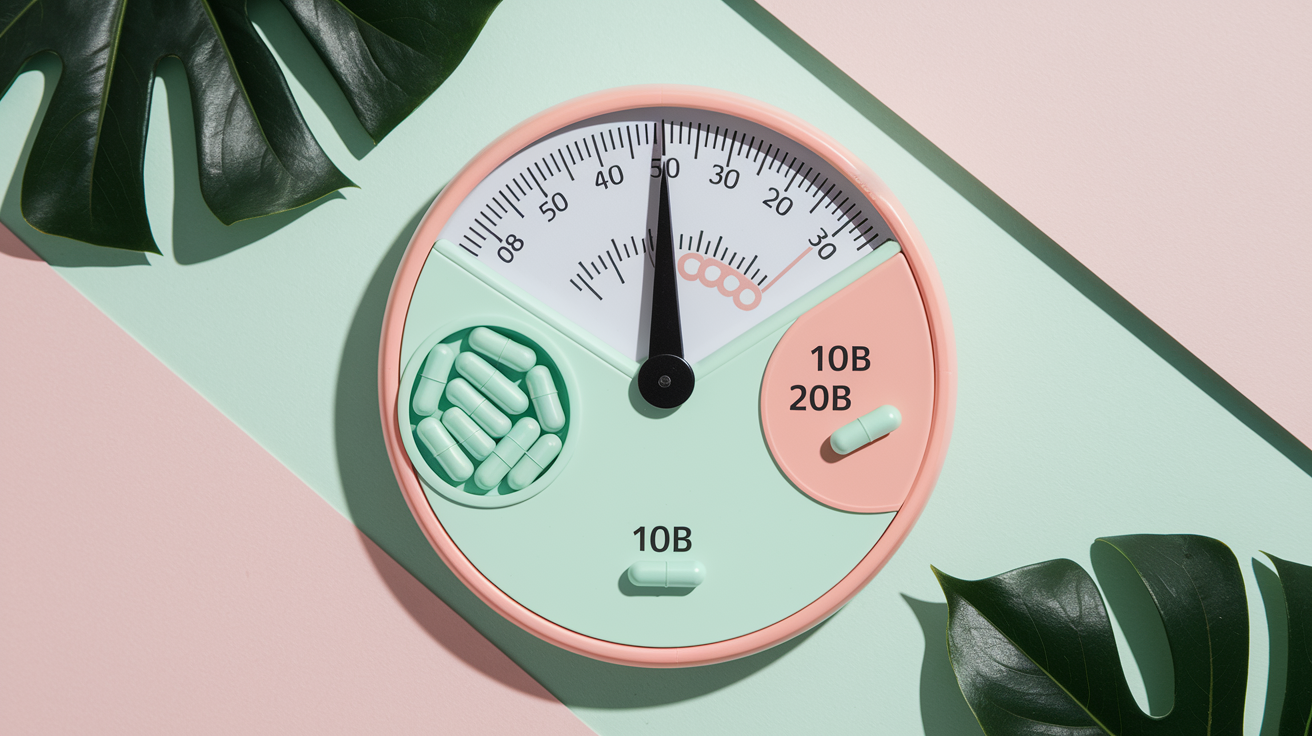
Most clinical studies showing bloating relief use doses between 10 and 20 billion CFU per day. That range keeps showing up across trials for Lactobacillus plantarum, Bifidobacterium lactis, and other validated strains. Lower doses can work. Bifidobacterium infantis shows benefits at 1 billion CFU. But most people see steady results when they land in the 10+ billion range. Higher CFU counts don’t always mean better outcomes. Strain quality, survivability through stomach acid, and shelf stability matter just as much as raw numbers.
Strain-specific dosing varies. Lactobacillus plantarum 299v is commonly studied at 10 billion CFU daily, with some trials using 20 billion for tougher symptoms. Bifidobacterium lactis HN019 shows transit improvements at similar doses. Saccharomyces boulardii typically lands between 5 and 10 billion CFU. If a product lists “50 billion CFU” but doesn’t name the strains or their individual contributions, you can’t match it to evidence. Look for labels that break down CFU per strain, not just a total blend count.
Consistency drives results more than occasional high doses. Taking 10 billion CFU daily for four weeks will beat sporadic use of a higher-dose product. Your gut microbiome shifts gradually, and probiotics need regular presence to compete with existing bacteria, colonize temporarily, and influence fermentation and motility patterns. Skipping days resets progress.
Probiotic Supplements Commonly Used for Bloating
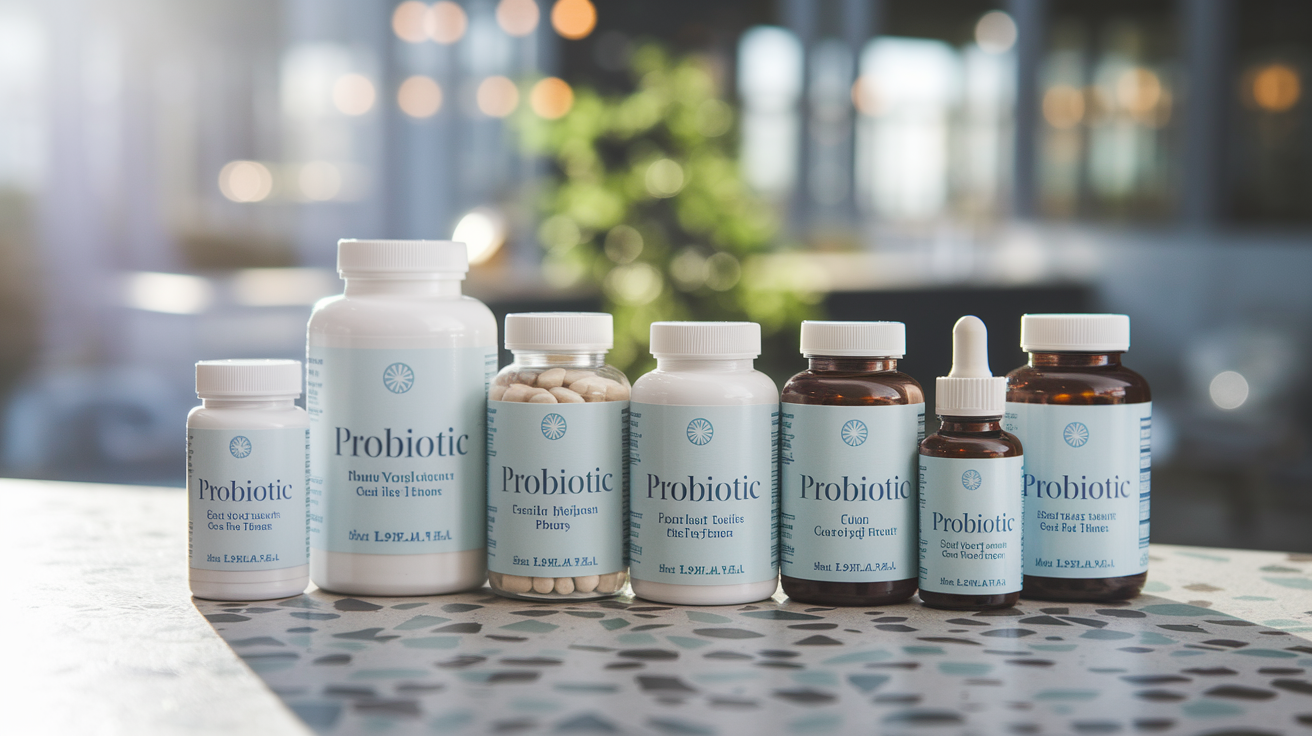
Multi-strain probiotics combine Lactobacillus and Bifidobacterium species in one capsule, often with added Saccharomyces boulardii or spore-based strains like Bacillus coagulans. These blends target multiple mechanisms at once: gas reduction, motility regulation, and barrier support. Research shows multi-strain formulas deliver about 45% better outcomes than single-strain products for bloating and IBS symptoms. They’re a good starting point if you’re not sure which specific pattern’s driving your bloating.
Single-strain probiotics let you target one mechanism precisely. If you know constipation’s the issue, a high-dose Bifidobacterium lactis supplement makes sense. If post-meal gas is the main problem, Lactobacillus plantarum’s a direct match. Single-strain products are also easier to track. If bloating improves, you know what worked. If it doesn’t, you can switch strains without wondering which ingredient in a blend was the problem.
IBS-targeted blends are built around strains with clinical evidence for irritable bowel syndrome, like Bifidobacterium infantis or Lactobacillus plantarum 299v. These products often include prebiotics (like partially hydrolyzed guar gum) to feed beneficial bacteria, though prebiotic content above 5 grams can worsen bloating in sensitive guts. Spore-based probiotics, like Bacillus coagulans, survive harsh stomach conditions and stay stable without refrigeration. They’re useful if you travel or have trouble with capsule storage.
Multi-strain blends combine several Lactobacillus and Bifidobacterium species for broad support.
Single-strain high-dose products deliver one researched strain at clinical doses for targeted relief.
IBS-specific formulas include strains validated in IBS trials, sometimes with low-dose prebiotics.
Spore-based probiotics are hardy strains like Bacillus coagulans that tolerate heat and stomach acid.
Probiotic Foods vs. Probiotic Supplements

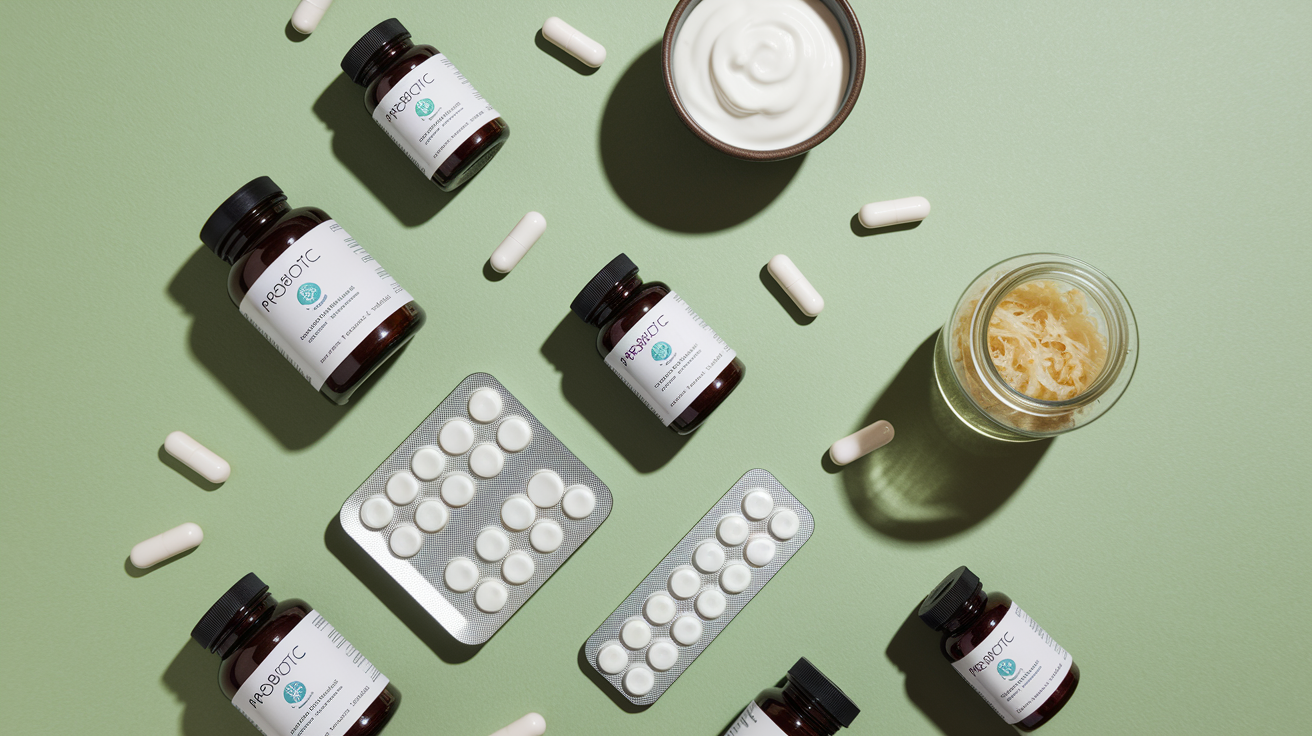
Probiotic foods like yogurt, kefir, kimchi, sauerkraut, and miso contain live cultures that support microbial diversity. They’re a good daily baseline and bring other benefits: fiber, vitamins, and fermentation byproducts that feed your existing gut bacteria. But the strains in these foods are variable, usually unlabeled, and present in lower, unpredictable amounts. A serving of yogurt might contain a few billion CFU of mixed Lactobacillus and Streptococcus species, but you won’t know which strains or whether they match the ones studied for bloating.
Supplements offer targeted strains at documented doses. When a clinical trial shows that Lactobacillus plantarum 299v at 10 billion CFU reduces bloating, you can buy that exact strain at that exact dose. Foods can’t replicate that precision. If you’re dealing with persistent bloating and want evidence-based intervention, supplements give you control. Foods support long-term gut health and microbial variety, which is why the best approach usually combines both.
| Food Type | Typical Strains | Amount Needed |
|---|---|---|
| Plain yogurt | Lactobacillus bulgaricus, Streptococcus thermophilus | 1 cup daily for general support; strain/CFU unspecified |
| Kefir | Mixed Lactobacillus and yeast species | 1/2 to 1 cup daily; higher CFU than yogurt but variable strains |
| Sauerkraut or kimchi | Lactobacillus plantarum, Leuconostoc species | 2 to 4 tablespoons daily; beneficial but not standardized for bloating trials |
How Long Probiotics Take to Reduce Bloating
Most people notice changes within one to three weeks of daily probiotic use. Early shifts might be subtle: less pressure after meals, fewer episodes of trapped gas, or slightly more regular bowel movements. By week two, clinical trial participants often report measurable drops in abdominal pain and flatulence, especially with strains like Lactobacillus plantarum 299v. Full relief, where bloating becomes rare or mild, usually takes four to eight weeks depending on the strain, dose, and what’s driving the bloating in the first place.
IBS bloating can take longer to settle. Trials using Bifidobacterium infantis or multi-strain synbiotics report significant quality-of-life improvements by eight weeks. If constipation’s part of the picture, transit improvements with Bifidobacterium lactis often show up within 28 days, but the bloating relief follows as stool frequency normalizes. If you’re not seeing any change by six weeks, it’s worth reconsidering the strain, checking the dose, or looking at other contributors like diet, stress, or underlying conditions like SIBO.
Here’s the typical progression:
Week 1 to 2: mild reduction in post-meal gas and pressure. Some people feel worse temporarily as the microbiome adjusts.
Week 3 to 4: noticeable drop in bloating frequency and intensity. Bowel movements may become more regular.
Week 6 to 8: sustained relief. Bloating’s less reactive to triggers, and distension is less visible or uncomfortable.
Side Effects and When Probiotics May Worsen Bloating
Probiotics are generally well-tolerated, but temporary increases in gas and bloating are common in the first one to two weeks. Your gut’s adjusting to new bacterial populations, and fermentation patterns shift as the microbiome rebalances. This usually settles on its own. If bloating worsens and stays worse beyond two weeks, the strain might not be a good match, the dose might be too high, or an underlying issue like SIBO could be at play.
In SIBO, bacteria overgrow in the small intestine where they don’t belong. Adding more bacteria, even beneficial strains, can temporarily increase fermentation and gas production in the wrong location. Some people with SIBO do better with spore-based probiotics or specific strains like Saccharomyces boulardii, which don’t colonize the small intestine the same way. If you have confirmed or suspected SIBO, work with a clinician to choose strains carefully and consider starting at a lower dose.
Products with high prebiotic content, more than 5 grams of inulin, FOS, or other fibers, can worsen bloating in sensitive guts even if the probiotic strains are effective. Prebiotics feed bacteria, which helps long-term, but they also increase fermentation in the short term. If a probiotic supplement’s making you more bloated and it contains added prebiotics, try switching to a formula without them or one with a gentler prebiotic like partially hydrolyzed guar gum at lower doses.
Types of Bloating and Which Probiotics Work Best
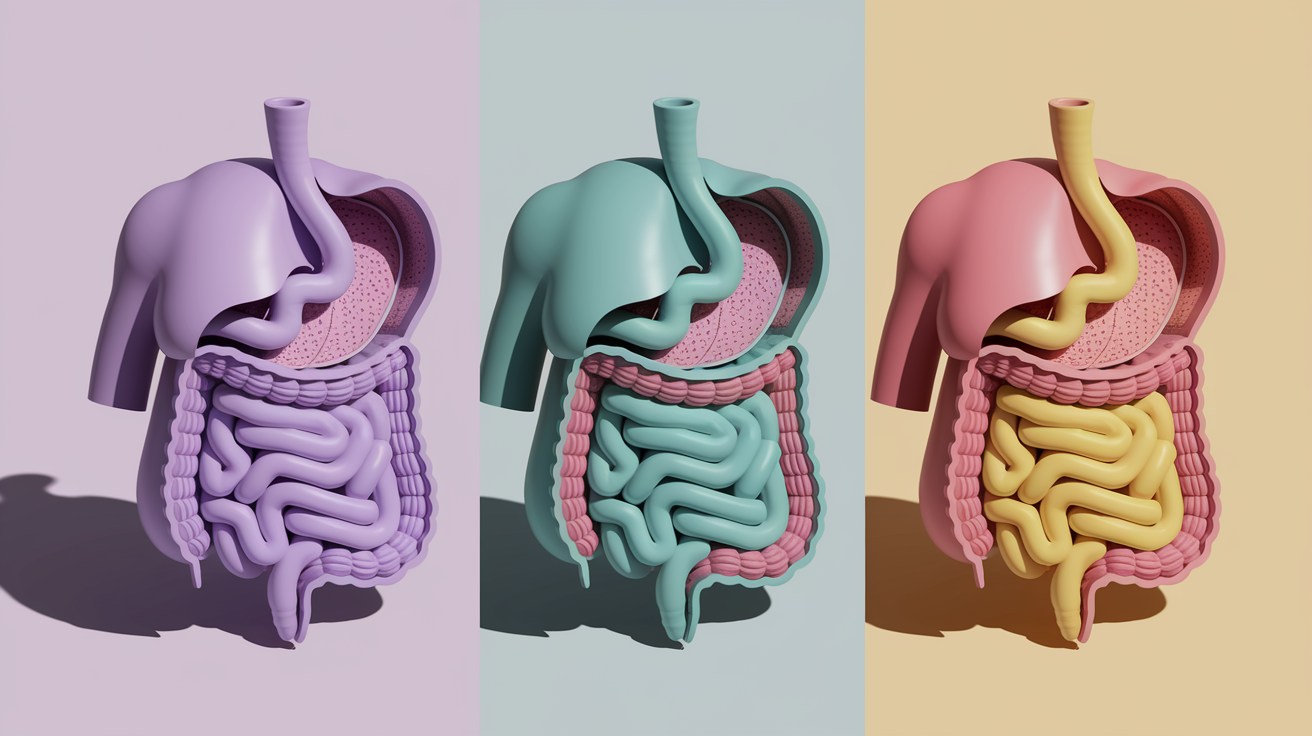
Constipation-related bloating
When stool moves slowly or incompletely, it sits in the colon longer and ferments. That creates gas, pressure, and visible distension, often worse later in the day. Bifidobacterium lactis and Lactobacillus rhamnosus are the most validated strains for this pattern. B. lactis improves colonic transit time, so stool moves through faster and has less opportunity to ferment. L. rhamnosus supports regularity and gut motility, especially in people who swing between constipation and irregular bowel movements.
Clinical trials show that B. lactis at 10 to 20 billion CFU daily can reduce constipation bloating within four weeks. If your bloating eases after a bowel movement, gets worse the longer you go between them, or comes with that heavy, stuck feeling, this is the category to focus on. Pairing these strains with adequate hydration and gentle movement, even 20 minutes of walking daily, amplifies the effect.
IBS-related bloating
IBS bloating’s unpredictable and often comes with cramping, urgency, or alternating stool patterns. It’s driven by a mix of motility issues, visceral hypersensitivity, and microbial imbalance. Bifidobacterium infantis 35624 has the strongest evidence here, with multiple trials showing reductions in bloating, abdominal pain, and bowel irregularity. It works at lower doses, 1 billion CFU, and targets inflammation and immune overreactivity, not just gas.
Lactobacillus plantarum 299v is another strong choice for IBS bloating, especially if gas and flatulence are prominent. In trials, it reduced both pain and bloating within two to four weeks. Multi-strain probiotics that combine B. infantis, L. plantarum, and other species show even better outcomes in some studies, up to 45% better than single-strain products. If your bloating’s reactive, worse with stress or certain foods, and doesn’t follow a clear constipation or diarrhea pattern, start with an IBS-targeted probiotic blend.
Gas-dominant bloating
If your main issue is gas (frequent flatulence, audible gurgling, pressure that builds after eating and releases with burping or passing gas), Lactobacillus plantarum is the most direct match. It reduces fermentation of undigested carbohydrates in the small intestine, which lowers hydrogen and methane gas production. Studies show significant drops in flatulence within four weeks at 10 to 20 billion CFU daily.
Saccharomyces boulardii can also help if gas worsened after antibiotics or if you have signs of dysbiosis: irregular stools, food sensitivities, bloating that started suddenly. It rebalances the microbiome without adding more bacteria that could temporarily increase fermentation. If gas bloating comes with visible distension and you can trace it to specific meals or high-FODMAP foods, pairing L. plantarum with a low-FODMAP diet or digestive enzymes often produces faster relief.
Final Words
We named the probiotic strains most often backed by studies—L. plantarum, B. lactis, B. infantis, L. rhamnosus, and S. boulardii—and what each targets, like gas, motility, or fermentation.
We covered how they work, practical dose ranges, the difference between foods and supplements, typical timelines, and the mild side effects to watch for.
Try one targeted option, be consistent for a few weeks, and track timing, triggers, and symptom changes.
With patience and good tracking, probiotics for bloating may help you feel noticeably better.
FAQ
Q: Which probiotic is the best for bloating?
A: The best probiotic for bloating focuses on specific strains: Lactobacillus plantarum (reduces gas), Bifidobacterium lactis (reduces fermentation), Bifidobacterium infantis (IBS), Lactobacillus rhamnosus, Saccharomyces boulardii.
Q: Do probiotics reduce belly bloat? / Can probiotics help relieve bloating?
A: Probiotics can reduce belly bloat and help relieve bloating by shifting gut bacteria, improving motility, and lowering fermentation; many people notice improvement within one to four weeks depending on strain and dose.
Q: What probiotics are good for Mthfr mutation?
A: There are no probiotics proven specifically for MTHFR mutation; digestive strains commonly used include Bifidobacterium lactis, Lactobacillus plantarum, Bifidobacterium infantis, and Saccharomyces boulardii, so check with your clinician.
Comments are closed