
Ever feel a tight, bloated, burning sensation after a meal and assume a pill is the only answer?
You don’t have to reach for medication first.
This post gives simple, low-risk steps you can try now—sip warm water slowly, sit upright, use gentle abdominal heat, take a short walk, or sip mild teas like ginger or chamomile—methods that often help indigestion without medication.
You’ll also get quick “try this now” steps, easy tracking prompts for your clinician, and clear red flags to watch for.
Immediate At‑Home Indigestion Relief Methods Without Medication
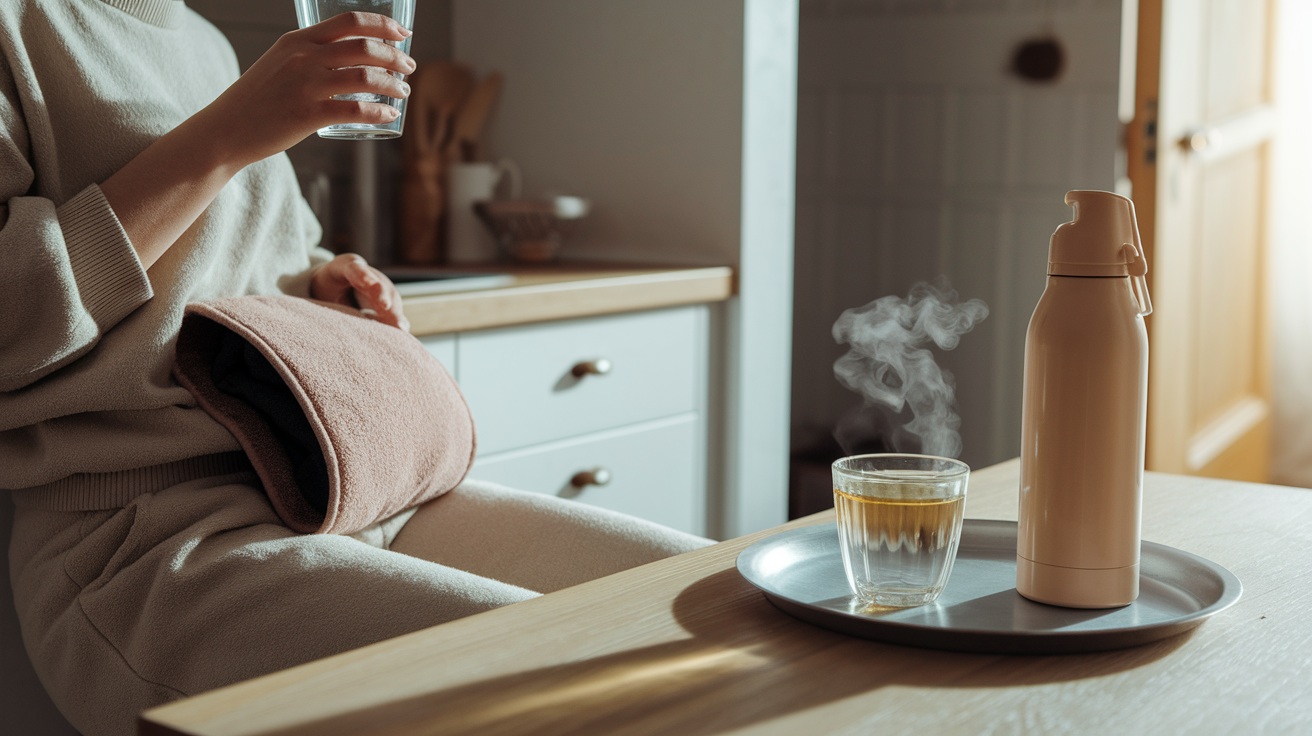
When indigestion hits, five physical steps help ease symptoms right away:
- Drink warm water slowly. Sip 4 to 6 ounces over several minutes.
- Sit upright and avoid bending. Stay vertical for at least 30 minutes.
- Apply gentle abdominal heat. Use a warm (not hot) water bottle or heating pad wrapped in a towel.
- Take a short 5 to 10 minute walk. Move at an easy, unhurried pace.
- Prepare a quick mild tea. Plain warm water with a slice of fresh ginger or a single chamomile bag.
These actions work by reducing pressure inside your stomach and helping move food and gas downward through your digestive tract. Sitting or standing upright relies on gravity to keep stomach contents in place, while warmth relaxes tense abdominal muscles. A short, slow walk encourages peristalsis, the wave-like motion that pushes food through your intestines.
Indigestion can feel like uncomfortable fullness in your upper belly. Or bloating that makes your waistband tight. A burning sensation below your breastbone. Trapped gas that causes cramping. The physical tactics above counteract these sensations by gently coaxing your digestive system back into motion without adding more chemical or food triggers.
Right now, avoid lying down flat, drinking carbonated beverages, or eating anything additional. Lying down before your stomach has emptied allows acid and food to flow backward toward your esophagus. Carbonated drinks create bubbles that expand your stomach and trigger burping, which can drive acid upward. Adding more food when you already feel full only extends the discomfort.
Natural Remedies for Indigestion Relief Without Medication
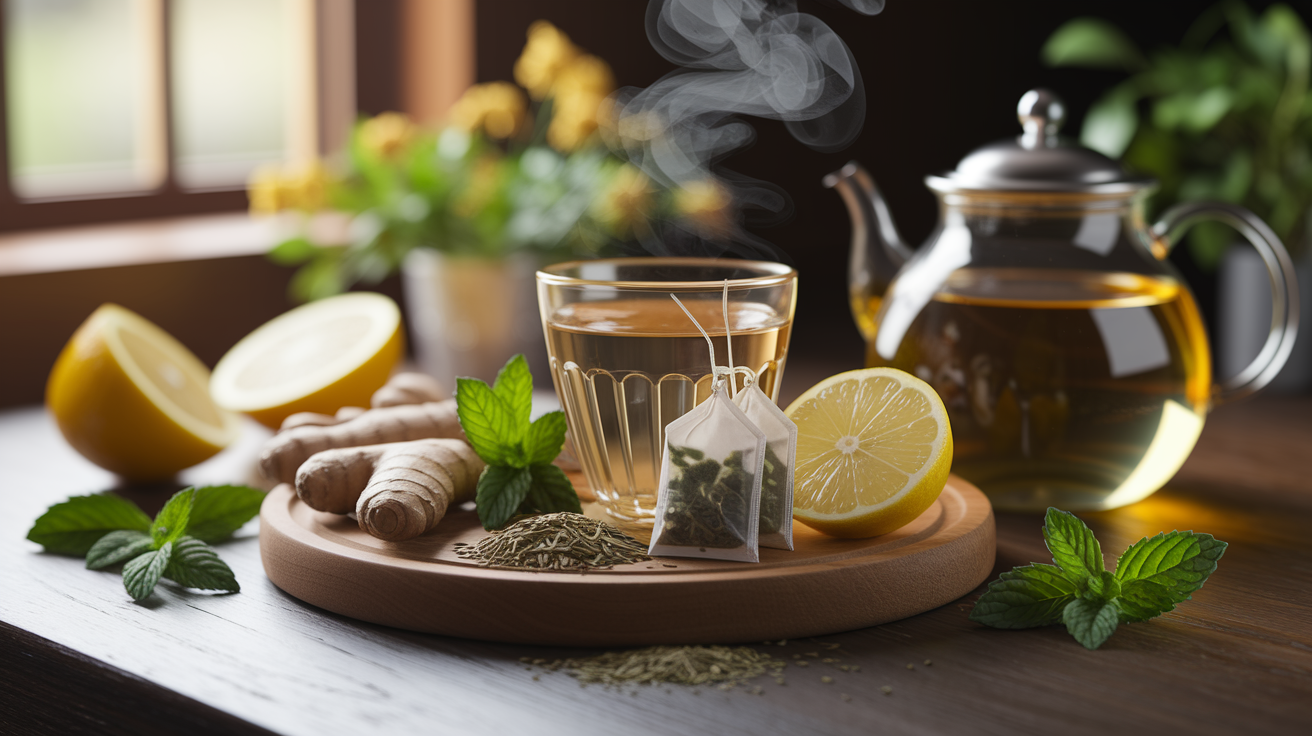
Herbal teas provide symptom relief through several body mechanisms. Antispasmodic herbs relax the smooth muscle lining your stomach and intestines, which reduces cramping and urgency. Anti-inflammatory herbs calm irritated stomach lining. Prokinetic herbs speed up the movement of food through your digestive tract. Most herbal teas are gentlest when consumed warm, not scalding hot, and sipped slowly over 10 to 15 minutes.
Ginger acts as both an anti-inflammatory and a prokinetic. Boil 1 or 2 thin slices of fresh ginger root in 4 cups of water for 10 minutes, then strain and sip. Limit ginger intake to no more than 4 grams daily to avoid throat burn or heartburn as a side effect.
Chamomile tea reduces stomach acid production and soothes inflammation. Steep 1 or 2 tea bags in boiling water for 10 minutes. Don’t use chamomile if you take blood thinners, as it has mild anticoagulant properties.
Peppermint tea has antispasmodic effects that relieve nausea and cramping, but skip it if you have acid reflux or GERD. Peppermint relaxes the valve between your stomach and esophagus, which can worsen reflux symptoms.
Fennel seeds ease stomach cramping through similar antispasmodic action. Boil half a teaspoon of crushed fennel seeds in water for 10 minutes, or chew a small pinch of seeds after meals. Fennel may increase sun sensitivity in some people.
Lemon water uses 1 tablespoon of fresh lemon juice stirred into a cup of warm water, consumed a few minutes before eating. The acidic juice can stimulate digestive enzyme release, but drinking it too often or in large amounts erodes tooth enamel and increases urination. Rinse your mouth with plain water after drinking lemon water. Avoid brushing your teeth immediately after.
Pregnant individuals should check with a midwife or doctor before using ginger in medicinal amounts, as high doses may affect uterine tone. People prone to acid reflux should avoid peppermint and lemon water entirely. If you take prescription medications, ask a pharmacist whether any herbal teas interact with your drugs. Chamomile and licorice are two common examples that can interfere with blood thinners and blood pressure medications.
Quick-use preparation guide:
- Ginger tea: 1 to 2 slices fresh root in 4 cups boiling water, steep 10 minutes
- Chamomile tea: 1 to 2 bags in boiling water, steep 10 minutes
- Fennel seed tea: ½ teaspoon crushed seeds in boiling water, steep 10 minutes
- Lemon water: 1 tablespoon lemon juice in 1 cup warm water, drink before meals
Dietary Changes That Support Indigestion Relief Without Medication
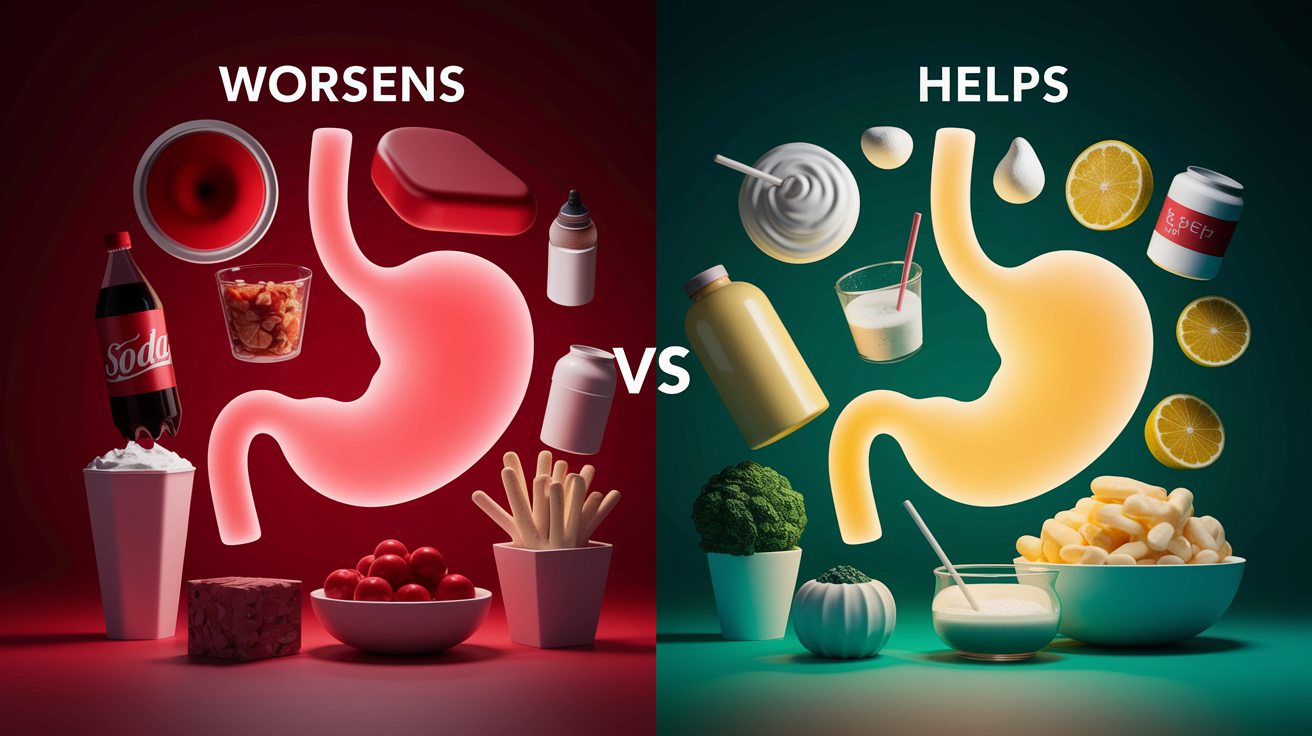
Certain foods increase stomach acid, slow digestion, or irritate your stomach lining. Others support a calmer digestive process. Identifying and adjusting the foods you eat can reduce how often indigestion occurs and how severe it feels when it does.
Fatty foods and spicy foods are the two most common dietary triggers. High-fat meals slow stomach emptying, which means food sits longer and produces more gas and acid. Spicy ingredients like chili peppers and hot sauces can directly irritate an already sensitive stomach lining. Carbonated beverages introduce gas that expands your stomach and triggers burping, a process that sends acid back up into your esophagus. High-FODMAP foods, including wheat, onions, garlic, certain fruits, and beans, ferment in the intestines and produce bloating and cramping in sensitive individuals.
Keeping a simple food diary for one week helps you spot patterns between what you ate and when symptoms appeared.
Probiotic-rich foods may improve digestion by supporting a balanced gut microbiome. Try a small serving, 100 to 200 grams of plain yogurt, a few forkfuls of sauerkraut or kimchi, or a half-cup of kefir. Not all probiotic strains are well-researched for indigestion, but many people report gentler digestion when these foods are part of their routine. Choose unsweetened, unpasteurized versions when possible, as pasteurization kills live bacteria.
| Food Type | Helps or Worsens | Notes |
|---|---|---|
| Fatty foods (fried, creamy sauces) | Worsens | Slows stomach emptying, increases acid exposure |
| Spicy foods (chili, hot sauce) | Worsens | Irritates stomach lining, triggers burning sensation |
| Carbonated drinks | Worsens | Increases gas, causes burping and reflux |
| Plain yogurt, kefir | Helps | Provides live probiotics, supports gut balance |
| Ginger, fennel, chamomile | Helps | Calms stomach, reduces cramping and inflammation |
| High-FODMAP foods (onion, wheat, beans) | Worsens (for some) | Ferments in gut, produces gas and bloating |
Eating Habits and Meal Timing for Indigestion Relief Without Medication
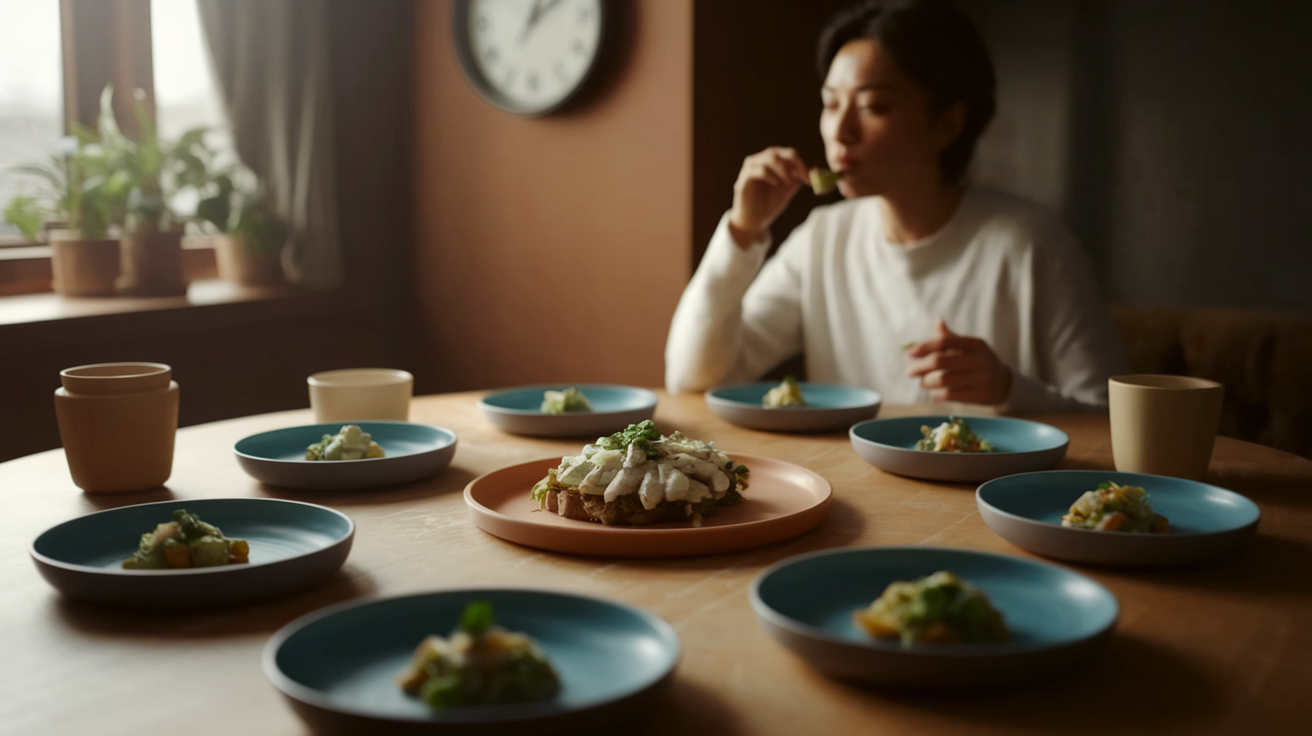
How you eat and when you eat matter as much as what you eat. Overfilling your stomach stretches its walls and increases pressure on the valve at the top, making it easier for acid and food to flow backward. Eating too quickly means you swallow more air and don’t give your body time to register fullness, so you end up eating more than your stomach can comfortably process.
Smaller, more frequent meals keep your stomach moderately full instead of tightly packed. Instead of three large meals, try five or six smaller ones spread across the day. Chew each bite thoroughly. Aim for 20 to 30 chews for denser foods like meat or raw vegetables. Chewing breaks food into smaller pieces and mixes it with saliva, which contains digestive enzymes that begin breaking down starches before the food even reaches your stomach.
Slowing down also gives your stomach time to signal your brain that it’s getting full, which helps you stop before overeating.
Finish eating at least three hours before you lie down for bed. Gravity helps keep stomach contents where they belong when you’re upright. Late-night snacks, large dinners eaten close to bedtime, and post-lunch naps all increase the chance that partially digested food and acid will move back up into your esophagus. If you feel hungry in the evening, choose a very light option. A few crackers, a small piece of fruit, a spoonful of yogurt. And stay upright afterward.
Posture, Movement, and Physical Positions for Indigestion Relief Without Medication

Staying upright after eating uses gravity to help your stomach empty downward instead of allowing contents to drift back toward your chest. Gentle movement encourages peristalsis, the rhythmic squeezing of your intestinal muscles that moves food along. Vigorous exercise, heavy lifting, or bending forward too soon after a meal can push stomach acid upward and worsen symptoms.
A 10 to 15 minute walk at an easy pace after meals supports digestion without jarring your stomach. Avoid running, jumping, crunches, or yoga poses that compress your abdomen for at least two hours after eating. If you need to pick something up from the floor, squat by bending your knees instead of folding at the waist. When sitting, choose a straight-backed chair instead of slouching on a soft couch, which can compress your midsection and increase stomach pressure.
Posture and movement tips:
- Walk for 10 to 15 minutes after meals at a relaxed pace
- Sit upright in a firm chair for at least 30 minutes after eating
- Squat to pick up objects instead of bending at the waist
- Elevate the head of your bed 6 to 8 inches using bed risers or a foam wedge. Stacked pillows don’t provide the uniform incline needed and can kink your neck.
Sleeping with your upper body elevated reduces nighttime reflux. The goal is a gentle slope from hips to head, not a sharp angle that folds you in the middle. Foam wedge supports designed for acid reflux work well, or place extra-tall bed risers under the legs at the head of your bed frame. Side sleeping on your left may also help, as this position keeps your stomach below the esophagus due to the way your organs curve inside your torso.
Stress, Breathing, and Nervous System Techniques for Indigestion Relief Without Medication

Stress directly affects how your digestive system moves and secretes. When your nervous system is in a heightened state, fight, flight, or freeze mode, blood flow shifts away from digestion toward your muscles and brain. This slows stomach emptying, reduces enzyme production, and can increase acid secretion. Breathing techniques, gentle movement practices, and mental calming strategies help shift your body back into “rest and digest” mode.
Short bouts of diaphragmatic breathing reduce tension in your abdomen and can ease cramping and bloating. Lie on your back or sit comfortably with one hand on your chest and one on your belly. Breathe in slowly through your nose, letting your belly rise while your chest stays relatively still. Exhale slowly through your mouth, feeling your belly fall. Repeat for 2 to 5 minutes. This type of breathing massages your internal organs gently and signals your nervous system to calm down.
Yoga poses that gently compress or stretch the abdomen, like child’s pose, supine twist, or legs-up-the-wall, can support digestion when done at least an hour after eating. Progressive muscle relaxation involves tensing and then releasing each muscle group from toes to head, which reduces overall body tension. Guided imagery, where you picture a calm scene in detail, and mindfulness practices like body scans also help regulate the nervous system. Even 5 minutes of one of these techniques can make a noticeable difference in how your stomach feels.
Diaphragmatic Breathing
Sit or lie in a comfortable position. Place one hand on your upper chest and the other just below your rib cage, on your belly. Inhale slowly through your nose for a count of four, allowing your belly to push your hand outward while the hand on your chest remains still. Hold for one or two seconds, then exhale slowly through your mouth for a count of six, feeling your belly fall.
Repeat this cycle for 2 to 5 minutes. The mechanical benefit comes from the gentle rise and fall of your diaphragm, which reduces pressure on your stomach and encourages downward movement of gas and food. This breathing pattern also activates the vagus nerve, which tells your body to shift into a calmer, more digestive-friendly state.
Safety Notes and When Remedies Are Not Appropriate for Indigestion Relief Without Medication
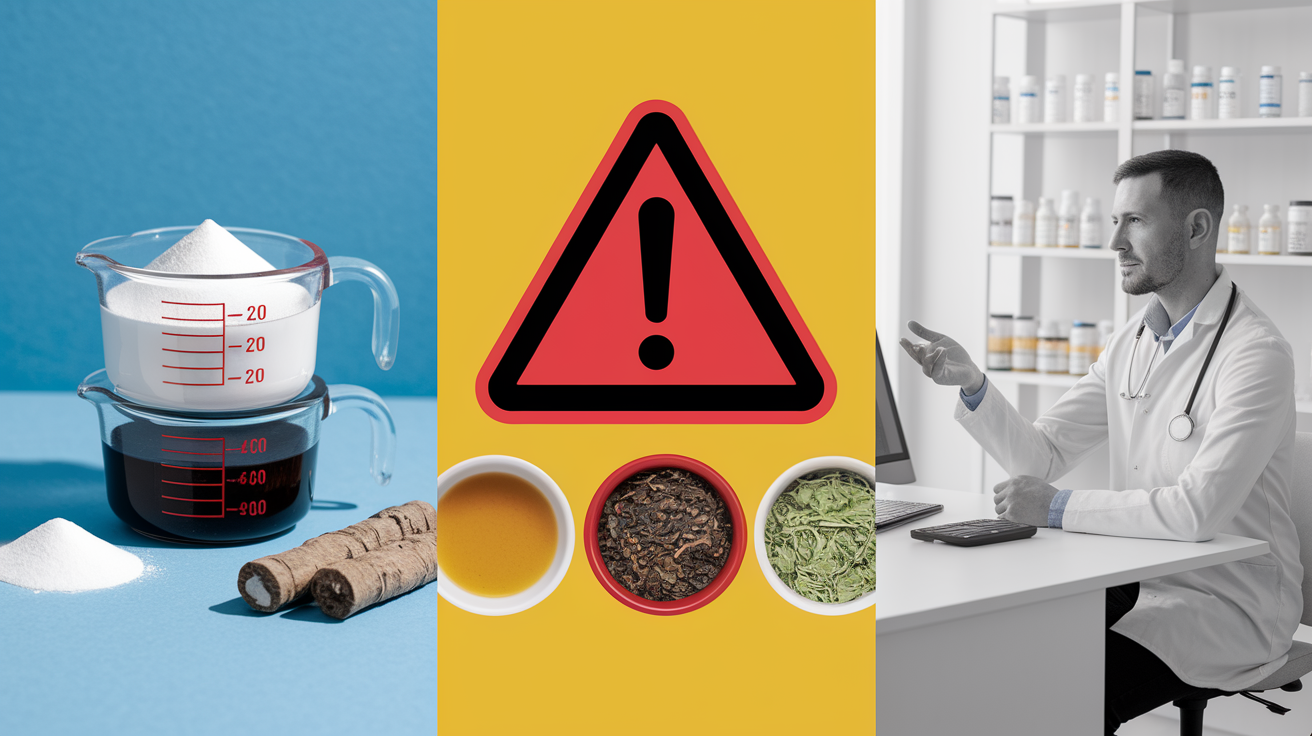
Some popular home remedies carry risks if used incorrectly or by certain individuals. Baking soda (sodium bicarbonate) neutralizes stomach acid quickly, but it can cause serious imbalances in your body’s potassium and pH levels if overused. Adults should not take more than seven half-teaspoon doses in a 24 hour period, with at least two hours between doses. If you’re over 60, the limit drops to three half-teaspoon doses per day. Mixing half a teaspoon of baking soda in 4 ounces of warm water provides fast relief, but don’t rely on this method for more than a week without talking to a doctor.
Apple cider vinegar is often suggested for indigestion, but evidence is mixed and the acidic nature of undiluted vinegar can burn your throat, erode tooth enamel, and lower blood sugar unpredictably. If you try it, use only 1 to 2 teaspoons of raw, unpasteurized apple cider vinegar diluted in a full cup of water, and rinse your mouth afterward.
Licorice root can calm stomach inflammation, but it shouldn’t exceed 100 milligrams of glycyrrhizin daily, roughly 60 to 70 grams of licorice, because large doses raise blood pressure and disrupt sodium and potassium balance.
Peppermint tea, while helpful for some types of indigestion, worsens acid reflux and GERD because it relaxes the muscle between your stomach and esophagus. Aloe vera juice is another remedy with limited evidence and potential for laxative side effects if taken in large amounts. Always check with a pharmacist before combining herbal remedies with prescription medications, especially blood thinners, blood pressure drugs, and diabetes medications. Pregnant and breastfeeding individuals should avoid medicinal doses of most herbs without clearance from a healthcare provider.
When to Seek Medical Evaluation for Persistent Indigestion Symptoms

Indigestion that continues for more than two weeks despite trying home remedies may signal an underlying condition that needs professional evaluation. Schedule an appointment with your doctor if symptoms are frequent, worsening, or disrupting your daily routine. Some warning signs require more urgent attention and shouldn’t be managed at home.
Seek medical care promptly if you experience trouble swallowing, unintentional weight loss, loss of appetite that lasts more than a few days, or black, tarry stools. Black stools can indicate bleeding in your stomach or upper digestive tract. Severe abdominal pain, persistent vomiting, or vomit that looks like coffee grounds are also red flags.
When to contact a healthcare provider:
- Indigestion persists longer than two weeks
- Symptoms worsen or occur daily despite dietary and lifestyle changes
- You develop new alarm symptoms. Difficulty swallowing, weight loss, black stools, severe pain, or persistent vomiting.
Your doctor may recommend tests such as an upper endoscopy, ultrasound, or blood work to rule out conditions like ulcers, gallstones, gastritis, or GERD. Early evaluation prevents complications and helps you find the right treatment path. If you’re unsure whether your symptoms need attention, a brief call to your doctor’s office or a pharmacist consultation can provide clarity.
Final Words
Start with the five immediate actions: sip warm water slowly, sit upright, apply gentle abdominal heat, take a 5–10 minute walk, and make a mild tea.
Then try natural remedies, tweak what and when you eat, mind your posture and light movement, and use brief breathing or relaxation techniques. Avoid lying down, carbonated drinks, and overeating right after a meal.
These practical, low-risk options can bring indigestion relief without medication. Track what helps and share notes with your clinician if needed—small changes often lead to real relief.
FAQ
Q: How can I get rid of indigestion fast without medicine?
A: The fastest non‑medicine relief for indigestion is to sip warm water slowly, sit upright, apply gentle abdominal heat, take a 5–10 minute walk, and try a mild tea.
Q: What is the best immediate indigestion relief?
A: The best immediate indigestion relief without drugs is the same: warm water, upright posture, gentle abdominal heat, a short walk, and sipping a mild tea to ease pressure and move digestion along.
Q: What is the old fashioned remedy for heartburn?
A: A traditional heartburn remedy is a teaspoon of baking soda in water or ginger tea. Use baking soda rarely and avoid it if you have high blood pressure or take certain medicines.
Q: What drink calms indigestion?
A: Drinks that calm indigestion include warm water, chamomile tea, and ginger tea; peppermint can ease cramping but may worsen reflux. Sip slowly and avoid carbonated or acidic drinks.
Comments are closed