Tired of waking up bloated and uncomfortable after meals?
You’re not imagining it. That tight, stretched feeling is common and often solvable.
This post cuts through the noise with fast relief you can try now (think simethicone, warm peppermint or ginger tea, heat, a short walk) plus gentle herbal options and eating habits that stop gas from coming back.
We’ll also give simple tracking tips to bring to your clinician and clear signs that mean you should get checked.
Here’s how to feel better today and over the weeks ahead.
Fast-Acting Remedies for Stomach Bloating and Discomfort
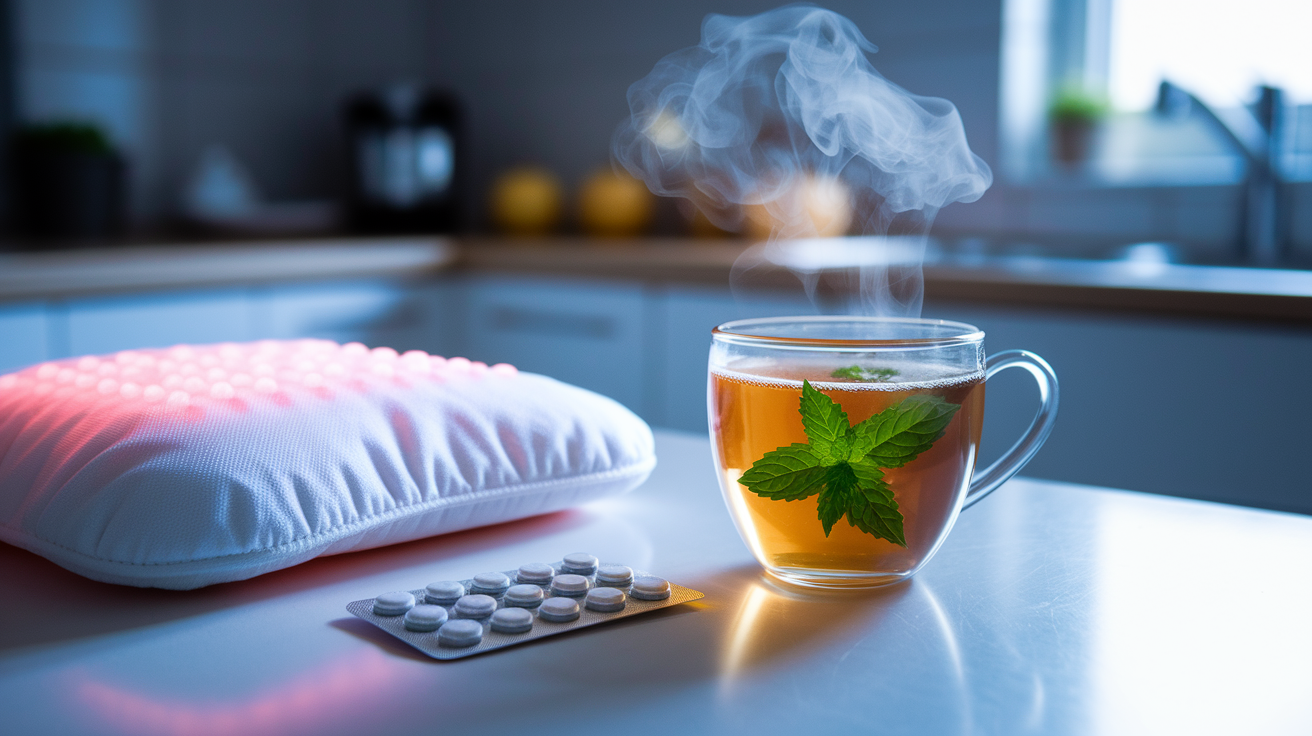
The fastest relief for active stomach bloating starts with simethicone (which works within minutes), followed by warm peppermint or ginger tea (15–60 minutes), heat on the abdomen, and a short walk.
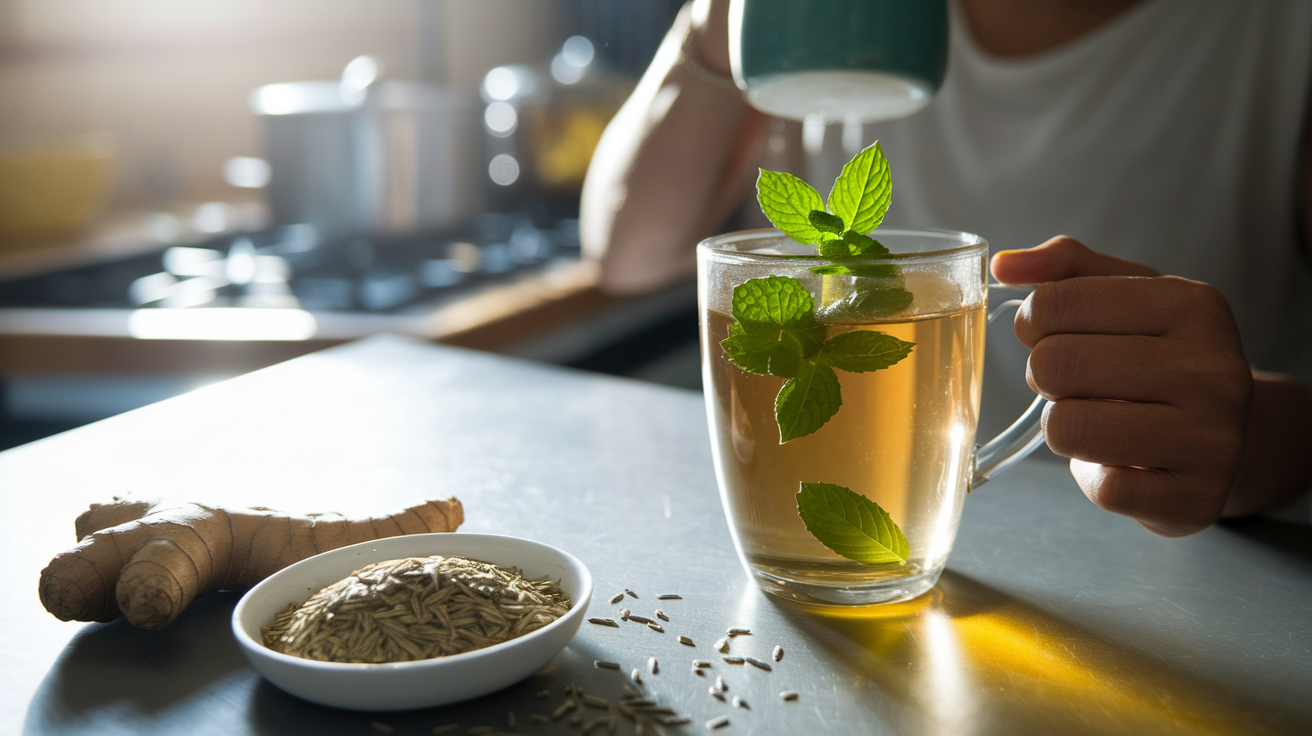
When you need immediate relief, drinking 8 ounces of hot peppermint or chamomile tea steeped for 5–10 minutes can relax your digestive muscles and move trapped gas. Peppermint tea works particularly well after meals. “I drink one cup right after dinner when I know I’ve eaten something that might sit heavy, and I usually feel less tight within half an hour.” Ginger is equally effective: steep 1–2 grams of fresh ginger root (about a thumb-sized piece) or take 250–1,000 mg of ginger extract in 8 ounces of hot water. Ginger stimulates gastric emptying, which means your stomach empties faster and gas moves along.
Fennel seeds offer quick relief for cramping and gas. Chew about 1 teaspoon of fennel seeds after eating, or steep 1 tablespoon of crushed seeds in 8 ounces of hot water for a milder option. Many people report that the bloated, stretched feeling eases within 15–60 minutes.
For faster physical relief, try these now:
- Take simethicone 40–125 mg after meals and at bedtime (it breaks up gas bubbles and often works within minutes).
- Apply a warm compress or heating pad to your abdomen for 15–20 minutes to reduce cramping and encourage movement.
- Walk for 10–20 minutes after eating to stimulate intestinal motility and help gas pass.
- Lie on your left side for 10–15 minutes to shift trapped gas through your colon.
- Sip 6–8 ounces of warm water slowly to gently stimulate digestion.
- Perform gentle clockwise abdominal massage for 2–5 minutes to encourage gas transit.
Understanding What Causes Stomach Bloating and Digestive Discomfort
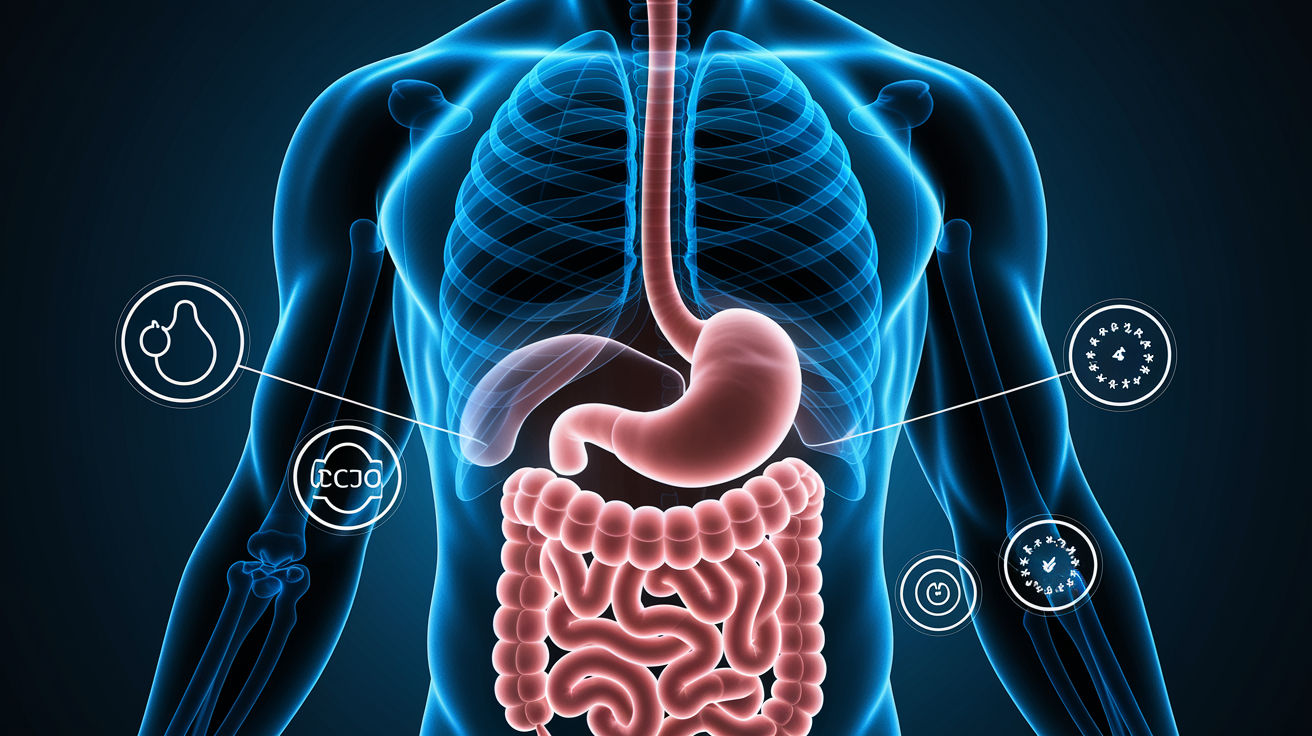
Bloating happens when gas builds up in your digestive tract, when your intestines slow down, or when food isn’t fully broken down. About 18% of people experience bloating at least once a week. Roughly 20% of the general population has some type of food intolerance that triggers gas and abdominal discomfort.
Common drivers include irritable bowel syndrome (IBS), small intestinal bacterial overgrowth (SIBO), lactose or gluten intolerance, inflammatory bowel diseases like Crohn’s or ulcerative colitis, chronic constipation, hormonal shifts during your cycle, and simply swallowing too much air when you eat quickly.
Your digestive system can also slow down in response to stress. That floods your body with cortisol and diverts energy away from digestion. When transit slows, bacteria ferment undigested carbohydrates in your colon, producing hydrogen and methane gas that stretches your intestines. That stretched, tight feeling is bloating.
Certain eating patterns make it worse. Gulping food while distracted, drinking through straws, chewing gum, and talking while eating all increase the amount of air you swallow. Once that air reaches your stomach and intestines, it has to go somewhere. You feel it as pressure, cramping, or visible distention.
The most frequent bloating triggers include:
- Carbonated beverages (soda, sparkling water, beer)
- Artificial sweeteners and sugar alcohols (sorbitol, xylitol, mannitol)
- High-FODMAP foods like onions, garlic, apples, pears, beans, and wheat
- Dairy products if you’re lactose intolerant
- Cruciferous vegetables (broccoli, cabbage, cauliflower) when eaten in large amounts
- Large, heavy meals that overwhelm your digestive capacity
Natural Remedies and Herbal Options for Bloating Relief

Herbs and natural compounds offer gentle, evidence-backed support for chronic bloating, especially when you use them consistently over days or weeks. Unlike the quick fixes in Section 1, these remedies work by improving gut motility, reducing inflammation, balancing gut bacteria, or calming your digestive nervous system. They’re best for people dealing with recurring discomfort rather than one-off episodes.
Herbal remedies have a long history of use. Recent research confirms many of their benefits.
Lemon balm may support digestive motility according to a 2019 lab study, though you should avoid it if you have hypothyroidism because its effects on thyroid function aren’t fully understood. Peppermint reduces IBS-related bloating and pain in multiple 2018 clinical reviews, likely by relaxing smooth muscle in the gut. Ginger increases the speed at which your stomach empties and reduces inflammation, based on 2018 evidence. Turmeric acts as a potent anti-inflammatory and may reduce both abdominal pain and distension. Fennel has been shown to improve digestion and reduce flatulence in a 2021 study and is commonly used for infant colic, though people with hormone-sensitive conditions like endometriosis, fibroids, or certain cancers should avoid it.
Probiotics can shift your gut microbiome toward less gas production. But they take patience. Look for products containing Lactobacillus or Bifidobacterium strains in the range of 1–10+ billion CFU per dose. Expect to wait 2–4 weeks before you notice a difference. One important caution: if you have SIBO, probiotics may worsen your symptoms by adding bacteria to an already overgrown small intestine, so consider breath testing before starting a probiotic if bloating gets worse instead of better.
Herbal Teas for Gas and Cramping
Peppermint, chamomile, and fennel teas are the easiest starting point. Brew one cup (8 ounces) after meals or whenever bloating flares. Steep for 5–10 minutes and drink warm. Chamomile calms the digestive tract and can ease stress-related bloating. Peppermint tea works particularly well for post-meal fullness. Fennel tea has a mild licorice flavor and targets gas and cramping.
Spices and Roots with Digestive Benefits
Ginger and turmeric are kitchen staples with real digestive power. Fresh ginger root can be grated into hot water (1–2 grams per cup), added to smoothies, or taken as a capsule (250–1,000 mg extract). Turmeric pairs well with black pepper, which boosts absorption. Consider adding a quarter teaspoon of turmeric powder and a pinch of black pepper to warm milk or broth. Both spices reduce inflammation and support faster gastric transit.
Probiotics and Fermented Foods
Probiotic supplements and fermented foods like yogurt, kefir, sauerkraut, kimchi, and miso introduce beneficial bacteria that can crowd out gas-producing strains. Choose plain, unsweetened yogurt with live active cultures, or select a refrigerated probiotic supplement with at least 1 billion CFU. Start with one serving daily and give it a full month before deciding if it helps.
Common herbal options and typical usage:
- Peppermint tea: 1 cup after meals, steeped 5–10 minutes
- Ginger root: 1–2 g fresh or 250–1,000 mg extract daily
- Fennel seeds: 1 teaspoon chewed or 1 tablespoon steeped in 8 oz water
- Turmeric powder: ¼ teaspoon daily with black pepper
- Probiotics: 1–10 billion CFU once daily, ideally refrigerated strains
Dietary Adjustments and Eating Habits That Reduce Bloating
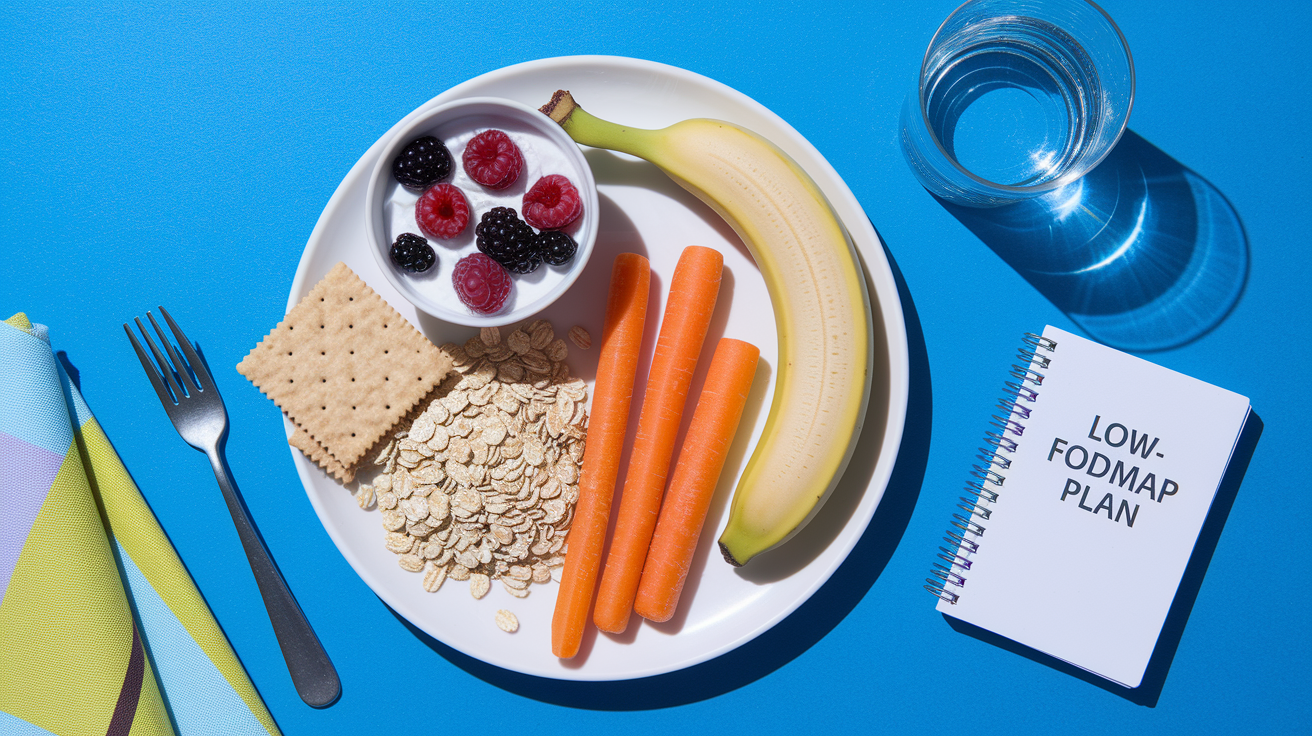
What you eat and how you eat it are the two most powerful levers for controlling bloating. Small, strategic shifts in food choices and meal timing can stop gas before it starts, especially if you’re dealing with food intolerances or digestive sensitivities.
Start by identifying and temporarily removing your most likely triggers. Common culprits include lactose (milk, ice cream, soft cheese), gluten (wheat, barley, rye), high-FODMAP foods (onions, garlic, apples, pears, beans, lentils, wheat-based products, high-fructose corn syrup), fatty or fried foods, carbonated drinks, sugar alcohols (sorbitol, xylitol, mannitol found in sugar-free gum and candy), and cruciferous vegetables like broccoli, cabbage, and cauliflower when eaten raw or in large amounts.
A structured low-FODMAP elimination plan lasts 2–6 weeks. During this time you avoid all high-FODMAP foods, then reintroduce one FODMAP group every 3–7 days to pinpoint which types cause your symptoms. This approach is especially helpful for IBS and SIBO.
Fiber is essential for healthy digestion, but increasing it too quickly backfires. Women should aim for about 25 grams per day, men for 38 grams. If you’re currently eating much less, add only 3–5 grams per day and drink an extra 8–16 ounces of water for every 5 grams of fiber you add. Soluble fiber (found in oats, chia seeds, flaxseed, and psyllium) dissolves in water and forms a gel that slows digestion. Insoluble fiber (found in whole grains, nuts, and vegetable skins) adds bulk and speeds transit. Both types support gut health, but ramping up too fast leads to gas and cramping.
How you eat matters as much as what you eat. Chew each bite 20–30 times to break food into smaller pieces and reduce the air you swallow. Eat smaller, more frequent meals (three to five per day) instead of two or three large ones that overwhelm your digestive capacity. Stop using straws, chewing gum, and drinking carbonated beverages. All of these force extra air into your stomach. Slow down and focus on your food rather than multitasking or eating while stressed.
Common trigger foods to watch:
- Beans and lentils
- Onions and garlic
- Apples, pears, and stone fruits
- Wheat and other gluten-containing grains
- Dairy products if lactose intolerant
- Sugar-free products containing sorbitol or xylitol
| Fiber Type | Key Benefit | Food Examples |
|---|---|---|
| Soluble fiber | Slows digestion, feeds beneficial gut bacteria, forms gel in water | Oats, chia seeds, flaxseed, psyllium, apples (peeled), beans |
| Insoluble fiber | Adds bulk to stool, speeds intestinal transit, prevents constipation | Whole grains, nuts, seeds, vegetable skins, wheat bran |
Lifestyle Habits and Physical Techniques for Reducing Digestive Discomfort

Movement, heat, breathwork, and hands-on techniques shift gas and relieve cramping without requiring any dietary changes. These strategies work especially well when bloating is tied to stress, constipation, or slow motility.
Walking after meals is one of the simplest and most effective tools. A 10–20 minute walk stimulates your intestines and encourages gas to move through your colon. You don’t need to go fast. A comfortable pace is enough.
Gentle yoga poses like Child’s Pose, Cat-Cow, and Supine Twist can also release trapped gas by changing the angle of your intestines and applying gentle pressure to your abdomen. Deep breathing exercises activate your parasympathetic nervous system, which controls “rest and digest” functions. Try diaphragmatic breathing for 5–10 minutes: breathe in slowly through your nose for a count of four, let your belly rise, then exhale slowly through your mouth for a count of six. Longer exhales signal your body to relax and improve gut motility.
Heat therapy reduces cramping and discomfort. Apply a warm compress or heating pad to your abdomen for 15–20 minutes. The warmth relaxes smooth muscle and increases blood flow to the area.
Abdominal massage works by manually moving gas along your colon. The “I Love You” technique follows the natural path of your large intestine: lubricate your skin with a little oil, then press firmly on your left upper abdomen just below your ribs and stroke downward toward your left hip (this is the “I”). Next, make a horizontal stroke from your right side below your ribs across to your left side, then down (forming an upside-down “L”). Finally, start at your right hip, move upward to your right ribs, sweep across to the left, and then down to your left hip (forming a “U”). Repeat the sequence for 2–5 minutes. This technique is particularly helpful for constipation-related bloating.
Physical relief techniques to try daily:
- 10–20 minute post-meal walk at a comfortable pace
- 5–10 minutes of slow diaphragmatic breathing
- 15–20 minutes with a heating pad on your abdomen
- “I Love You” abdominal massage for 2–5 minutes
- Gentle yoga poses (Child’s Pose, Cat-Cow, Supine Twist) for 10 minutes
Over-the-Counter Options for Stomach Bloating Relief
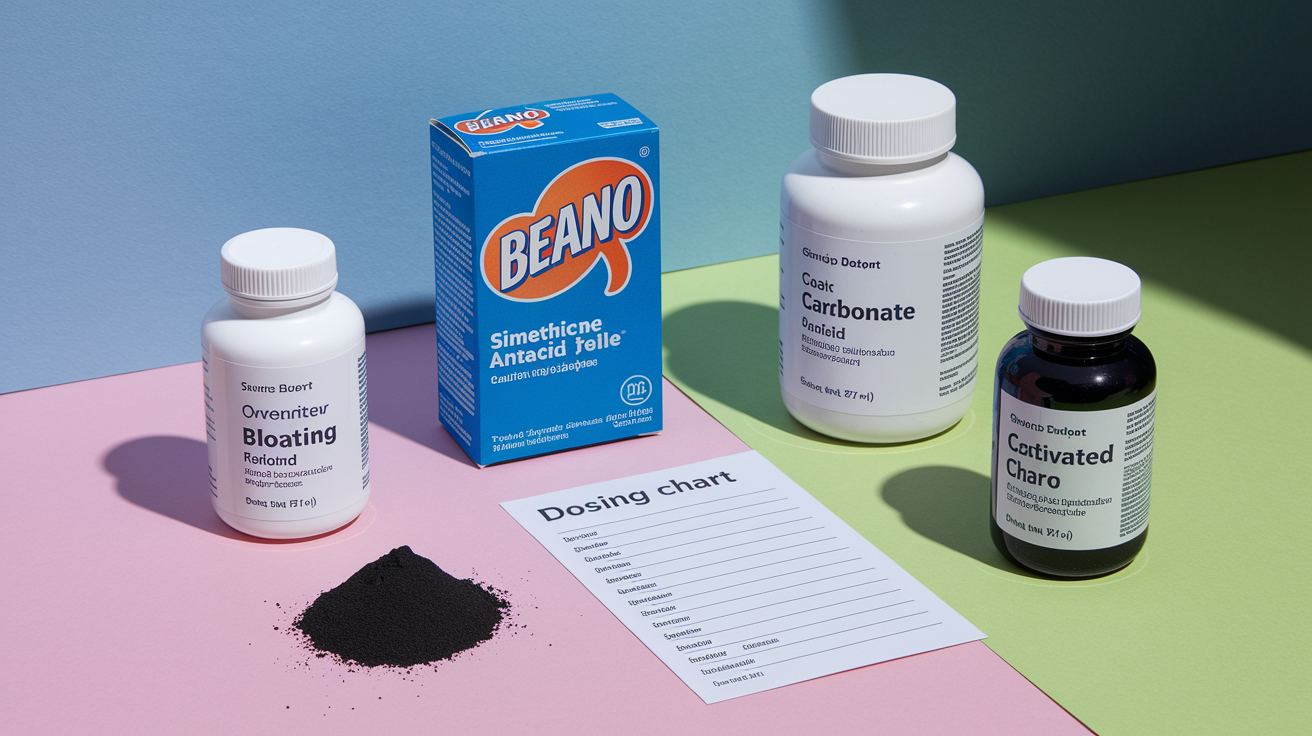
Over-the-counter medications offer targeted, short-term relief when natural remedies aren’t enough or when you need faster results. These products work through different mechanisms. Some break up gas bubbles, others neutralize stomach acid, and a few provide enzymes your body may be lacking.
Simethicone is the go-to anti-gas medication. It works by breaking surface tension on gas bubbles in your stomach and intestines, allowing smaller bubbles to merge and pass more easily. Common dosing is 40–125 mg taken after meals and at bedtime, up to four times daily. Relief often begins within minutes.
Antacids like calcium carbonate (Tums) neutralize stomach acid and can help if bloating is tied to acid reflux or indigestion. Typical dosing is 500–1,000 mg chewed as needed, and they work within minutes.
Digestive enzymes, including alpha-galactosidase products like Beano, help break down complex sugars in beans, cruciferous vegetables, and whole grains. Take one tablet with the first bite of a high-fiber meal to prevent gas from forming. Activated charcoal is used short-term to absorb intestinal gas, though evidence is mixed and it can interfere with medication absorption, so use it sparingly and away from other drugs.
Bismuth subsalicylate (Pepto-Bismol) can help when bloating comes with nausea or mild diarrhea. Standard adult dosing is typically 30 mL or two tablets every 30–60 minutes, up to about eight doses per day. Always follow the product label. Do not give bismuth products to children or teenagers with viral illnesses because of the risk of Reye’s syndrome.
Loperamide (Imodium) slows intestinal motility and is used for non-bloody, non-febrile diarrhea. The usual starting dose is 4 mg, then 2 mg after each loose stool, with a typical OTC maximum of 8 mg per day. Use it only for short-term diarrhea relief, not for chronic symptoms or if you have a fever or blood in your stool.
| OTC Category | Typical Adult Dose | Expected Onset | Key Safety Note |
|---|---|---|---|
| Simethicone (anti-gas) | 40–125 mg after meals and at bedtime, up to 4×/day | Minutes | Generally very safe; few interactions |
| Calcium carbonate (antacid) | 500–1,000 mg chewed as needed | Minutes | Can cause constipation; avoid excessive use |
| Alpha-galactosidase (Beano) | 1 tablet with first bite of high-fiber meal | Works during digestion | Take with food for best effect |
| Activated charcoal | 500–1,000 mg as directed (short-term only) | 30–60 minutes | Can interfere with medication absorption |
Long-Term Bloating Prevention and Daily Gut Health Strategies
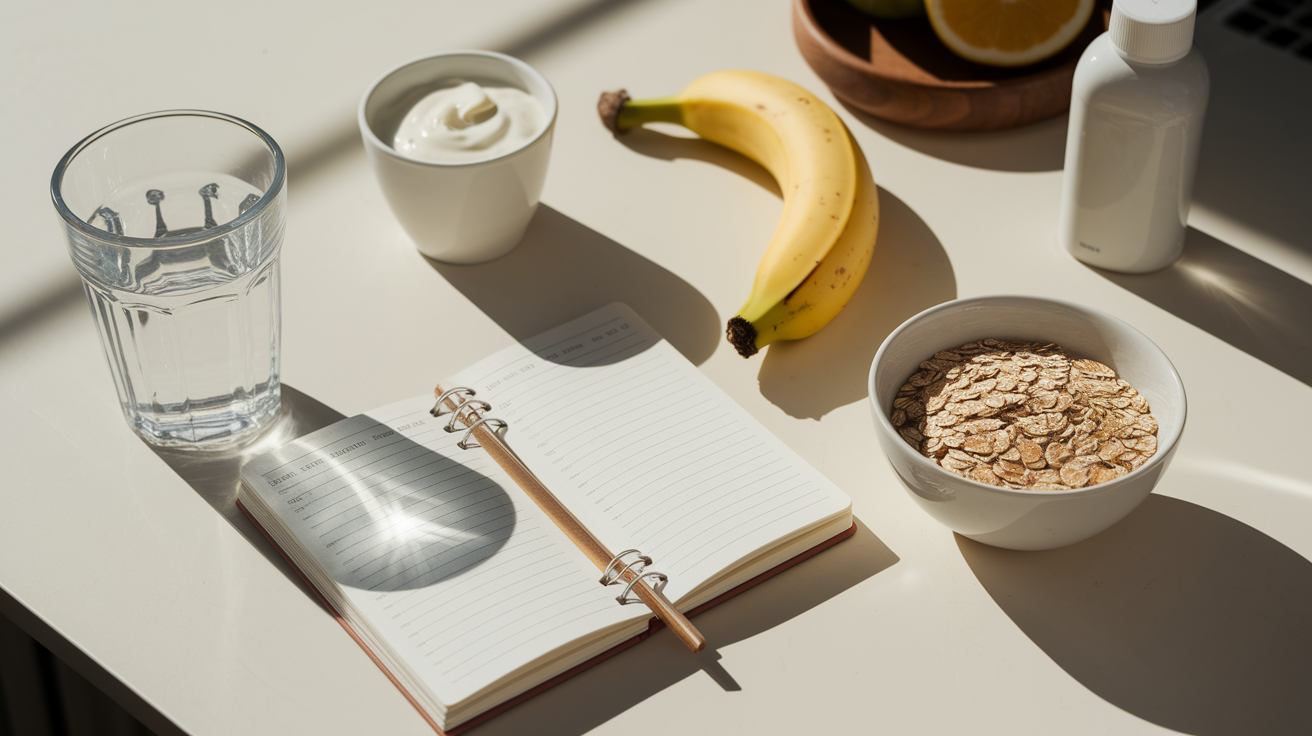
Preventing bloating before it starts means building habits that support steady digestion, balanced gut bacteria, and regular bowel movements. These strategies take weeks to show full benefit, but they address root causes rather than chasing symptoms.
Hydration is foundational. Aim for about 64 ounces (8 cups) of water daily as a baseline, adjusting upward if you live in a hot climate, exercise heavily, or are increasing fiber intake. Water keeps stool soft and supports the mucus lining of your intestines.
Prebiotic foods like bananas, asparagus, garlic, onions (if tolerated), oats, and flaxseed feed beneficial gut bacteria and help them produce short-chain fatty acids that reduce inflammation. Pair prebiotics with probiotic-rich foods like yogurt, kefir, sauerkraut, or kimchi for a synergistic effect.
Regular physical activity, even just 20–30 minutes of walking most days, keeps your intestines moving and prevents the sluggish transit that leads to gas buildup. A 2–6 week action plan that combines a low-FODMAP elimination diet, daily probiotics, consistent hydration, and gentle movement can significantly reduce chronic bloating and help you identify your personal triggers.
Long-term prevention checklist:
- Drink at least 64 ounces of water daily
- Eat prebiotic-rich foods (bananas, oats, asparagus) to support gut bacteria
- Include probiotic foods or supplements for microbiome balance
- Stay active with 20–30 minutes of walking or gentle exercise most days
- Track meals and symptoms in a simple food diary to spot patterns
When Stomach Bloating Requires Medical Evaluation

Most bloating resolves with home care. But certain patterns and red flags require prompt medical evaluation to rule out serious conditions like bowel obstruction, inflammatory bowel disease, celiac disease, ovarian issues, or infection.
Seek emergency care immediately if you experience sudden, severe abdominal pain that doesn’t ease, abdominal rigidity (a hard, board-like stomach), fever above 102°F (38.9°C), vomiting blood or material that looks like coffee grounds, black or tarry stools, fainting or near-fainting, difficulty breathing, or signs of severe dehydration like very low urine output and dizziness. These symptoms can signal life-threatening problems that need rapid assessment.
Contact your doctor within 24–72 hours if bloating persists for more than 48–72 hours despite trying home remedies, if you have unintentional weight loss of more than 5% of your body weight over a few weeks, if you experience recurring severe bloating that disrupts your daily life, or if new digestive symptoms appear during pregnancy, in infants, in elderly adults, or in anyone with a weakened immune system.
Your clinician may order breath tests to diagnose SIBO, blood tests to check for celiac disease or inflammation, stool studies to rule out infection or malabsorption, or imaging like ultrasound or CT if they suspect structural issues.
Red flags that need urgent medical evaluation:
- Sudden, severe abdominal pain or a rigid abdomen
- Fever over 102°F (38.9°C)
- Blood in vomit or stool (red blood or black, tarry stool)
- Persistent vomiting or diarrhea lasting more than 24 hours
- Unexplained weight loss over weeks
- Severe abdominal distention that does not improve with any home measures
Common Questions About Bloating and Gas Relief

People often wonder how quickly they should expect relief and what lifestyle tweaks make the biggest difference. Quick relief from simethicone, peppermint tea, or warm compresses can start within 15–60 minutes. Dietary changes and probiotics usually take days to weeks. If you’re increasing fiber, go slowly. Add just 3–5 grams per day and drink an extra 8–16 ounces of water for every 5 grams you add to avoid worsening gas and cramping.
Tracking your symptoms helps you identify patterns and triggers. Keep a simple food diary noting what you ate, when bloating started, how severe it felt on a 0–10 scale, and what made it better or worse. Look for trends: does bloating show up after dairy, beans, or wheat? Is it worse the week before your period? Does it ease after you walk or drink warm tea? Bring this record to your doctor if symptoms persist. It gives them concrete information to guide testing and treatment.
Brief answers to common questions:
- How fast does relief happen? Simethicone and antacids work within minutes; teas and heat within 15–60 minutes; probiotics and dietary changes take 2–4 weeks.
- Should I avoid all fiber? No. Fiber supports gut health, but increase it gradually (3–5 g/day) and drink plenty of water.
- Do carbonated drinks always cause bloating? For most people, yes. Carbonation adds gas to your stomach, and sugar-free versions often contain gas-producing sugar alcohols.
- When should I start tracking symptoms? Start now if bloating happens more than once a week or interferes with daily activities; a two-week diary is enough to spot clear patterns.
Final Words
Start with the fastest fixes: simethicone, a cup of peppermint or chamomile tea, a warm compress, or a 10–20 minute walk to ease pressure quickly.
We also covered why bloating happens, natural options like ginger and fennel, simple diet tweaks, gentle movement and massage, and which over-the-counter choices work fast. Track timing, triggers, severity (0–10), and what helps so you have useful notes for yourself or your clinician.
These stomach bloating and discomfort remedies often bring relief and give you clearer next steps—small changes can feel big.
FAQ
Q: What reduces stomach bloating quickly?
A: Reducing stomach bloating quickly involves simethicone for fast gas relief, warm peppermint or chamomile tea, a 10 to 20 minute walk, a warm compress, ginger, or gentle abdominal massage.
Q: How to get rid of stomach ache and bloating fast?
A: Getting rid of stomach ache and bloating fast means using heat on the belly, sipping peppermint or ginger tea, taking simethicone or an antacid if needed, resting, and trying a short gentle walk; see a clinician if severe.
Q: How to flush gas out of your stomach?
A: Flushing gas out of your stomach can be done by walking, gentle clockwise abdominal massage, sipping warm ginger or fennel tea, burping when possible, or using simethicone for quick gas relief.
Q: How to debloat your stomach in 2 hours?
A: Debloating your stomach in 2 hours focuses on fast steps: simethicone, warm peppermint tea, a 10 to 20 minute brisk walk, a 15 minute heating pad, gentle belly massage, and a light low‑FODMAP snack if tolerated.
Comments are closed