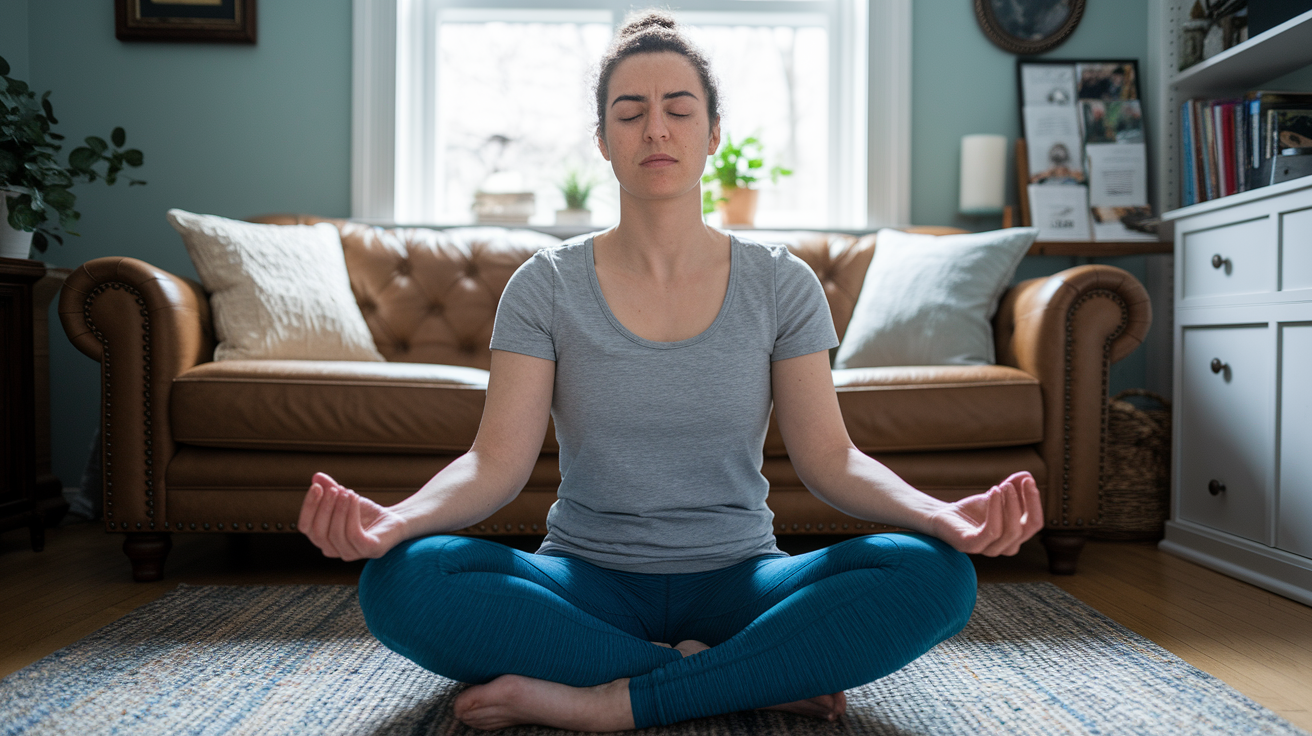
What if you could shorten a sudden wave of anxiety in minutes, right where you are?
When anxiety surges, your chest tightens, your heart races, and thoughts spin.
It feels scary, but spikes often pass faster if you act.
You don’t have to wait it out or push through it.
This post gives six fast, low-risk techniques you can use now, like simple breathing, grounding, cold exposure, and quick sensory tools to calm your nervous system.
Pick one and do it.
One focused action often starts to break the spiral.
Immediate Calming Techniques You Can Use Right Now

When sudden anxiety hits, your chest gets tight, your heart starts pounding, and your thoughts won’t stop spinning. Most panic attacks and acute anxiety spikes only last a few minutes to an hour. You can shorten that time if you act fast.
You don’t need to wait it out or push through it. Simple techniques can interrupt your body’s alarm response and bring you back to steady ground in minutes.
Here are six things you can do the moment anxiety surges:
4-7-8 breathing. Breathe in quietly through your nose for 4 seconds, hold for 7 seconds, and exhale hard through your mouth for 8 seconds with a “whoosh” sound.
5-4-3-2-1 grounding. Name 5 things you see, 4 you can touch, 3 you hear, 2 you smell, and 1 you taste.
Triangle breathing (3-3-3). Inhale for 3 counts, hold for 3 counts, exhale for 3 counts.
Hold something cold. Grab ice, run your wrists under cold water, or splash your face.
Name your surroundings. Look around and quietly list objects: desk, curtain, backpack, window, chair.
Use one calming phrase. Say it aloud or silently: “This will pass,” “I’m safe,” “I can breathe through this.”
Pick one and do it now. You don’t need to be perfect. One focused action is enough to start breaking the spiral.
Breathing Exercises That Calm Sudden Anxiety Quickly
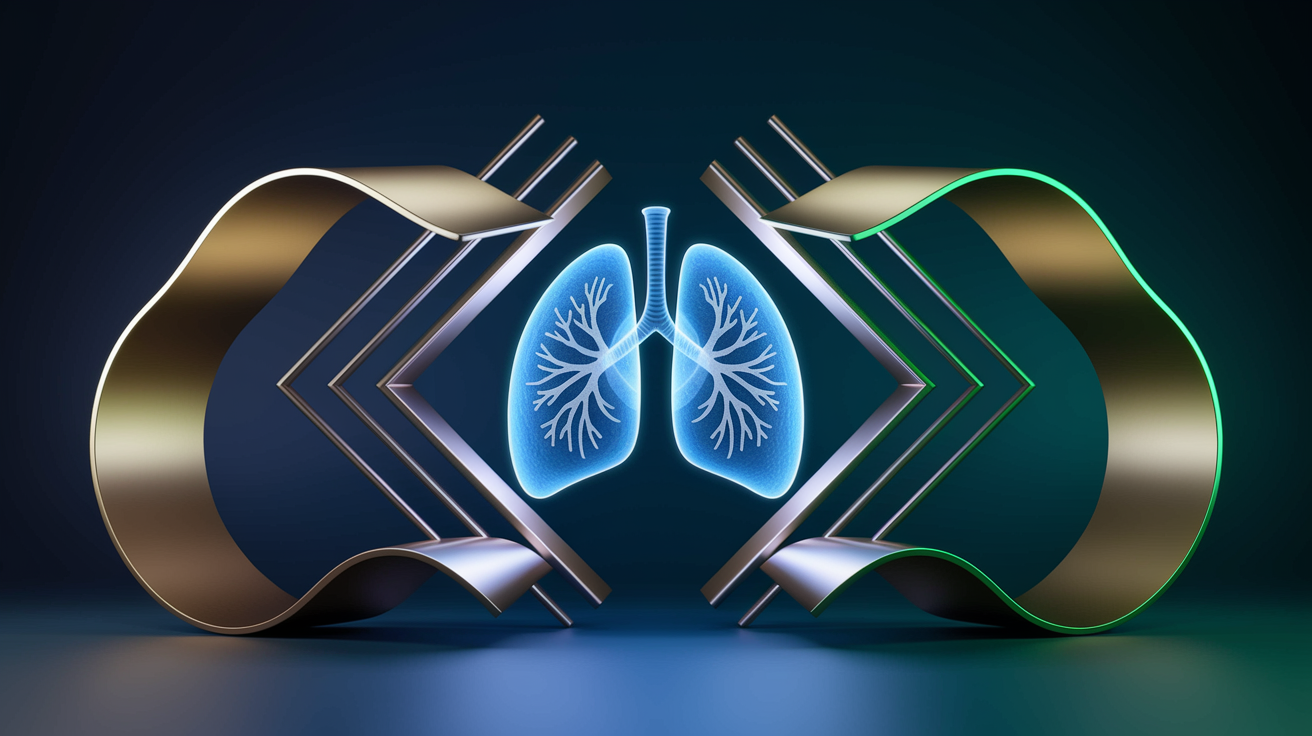
When anxiety spikes, your breathing often speeds up or becomes shallow. This creates a feedback loop: faster breathing triggers more physical panic signals, which makes you breathe even faster. Structured breathing patterns interrupt that loop by slowing your heart rate and rebalancing oxygen and carbon dioxide in your bloodstream.
Box Breathing
This method is used by athletes, first responders, and military personnel to regain control under pressure.
Inhale slowly through your nose for 4 seconds. Hold that breath for 4 seconds. Exhale slowly through your mouth for 4 seconds. Hold your lungs empty for 4 seconds. Repeat the cycle for 2 to 5 minutes, or until your heart rate slows and your chest feels less tight.
Diaphragmatic Breathing
Also called belly breathing. This technique shifts your breath from shallow chest expansion to deep, full-lung expansion.
Place one hand on your chest and one hand on your belly. Breathe in slowly through your nose and watch your belly hand rise while your chest hand stays mostly still. Exhale slowly through your mouth and feel your belly hand fall. Repeat for 3 to 5 minutes, keeping your focus on the rise and fall of your belly.
These methods usually work within 3 to 5 minutes. Your nervous system responds to the slower rhythm by turning down the alarm response. You may not feel completely calm right away, but you’ll notice your heart rate drop and your breathing become easier.
Grounding Techniques to Stop Sudden Anxiety Surges
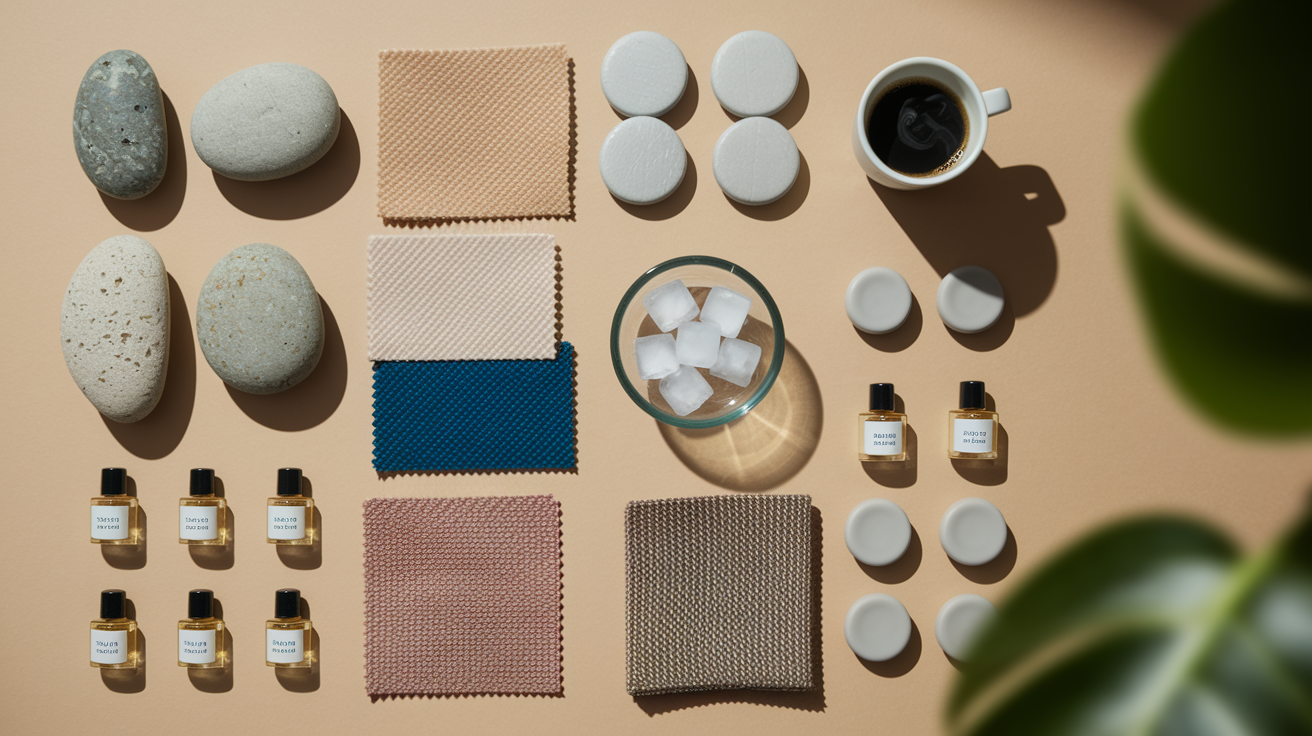
Grounding pulls your attention out of spiraling thoughts and into your immediate surroundings. When your mind is stuck in worst-case loops, grounding interrupts the story by shifting your focus to something concrete and present.
These techniques work because anxiety thrives on vague, future-focused fear. Grounding anchors you in what’s actually happening right now, which is usually much less dangerous than what your brain is predicting.
Here are five sensory anchors you can use:
Visual identification. Look around and name every object you see: lamp, book, coffee cup, pen, plant. Say them aloud or silently. Keep going until your breathing slows.
Tactile textures. Touch something nearby and describe the texture to yourself: smooth, rough, cool, warm, soft, hard. Run your fingers over the surface and focus only on what it feels like.
Auditory naming. Close your eyes and name every sound you hear: traffic outside, the hum of the refrigerator, a dog barking, footsteps, the wind.
Cold exposure. Run your wrists under cold water for 30 seconds, splash cold water on your face, or hold an ice cube in your hand. The sharp sensation interrupts panic signals and brings your attention to your body.
Scent-based focus. Smell something strong: coffee, essential oil, a candle, hand lotion, or even your own shirt. Take slow, deliberate sniffs and describe the scent to yourself.
Grounding works best when you’re stuck in physical panic or when your thoughts are racing so fast you can’t follow a breathing pattern. It also helps if you’re in an unfamiliar or crowded place and need to steady yourself quickly without drawing attention.
Physical Techniques That Reduce Acute Anxiety Symptoms
Anxiety doesn’t just happen in your head. It tightens your muscles, speeds your heart, and floods your body with stress hormones. Physical techniques release that tension directly, which sends a calming signal back to your brain.
Progressive Muscle Relaxation
This technique works by deliberately tensing and then releasing each muscle group in sequence. One full cycle takes about 5 to 10 minutes and reduces the physical tightness that makes anxiety feel worse.
Start at your toes. Curl them tight, hold for 5 seconds, then release. Move to your feet: flex them hard, hold, release. Continue through your calves, thighs, stomach, hands, arms, shoulders, neck, and face. For your face, scrunch everything tight, hold, then let it go soft. By the end of one cycle, your body will feel noticeably looser.
| Technique | Duration | Why It Works |
|---|---|---|
| Progressive Muscle Relaxation | 5–10 minutes | Releases accumulated physical tension that amplifies panic sensations |
| Brisk walk | 15 minutes | Lowers cortisol and adrenaline; fresh air and movement reset the nervous system |
| Petting an animal | 10 minutes | Reduces stress hormones and promotes calm through repetitive, soothing motion |
These methods are especially helpful when anxiety has been building over hours or when you feel physically wound up and can’t sit still. Movement and muscle release give your body something useful to do with the adrenaline instead of letting it spiral.
Sensory Tools and Quick-Use Calming Items for Sudden Anxiety
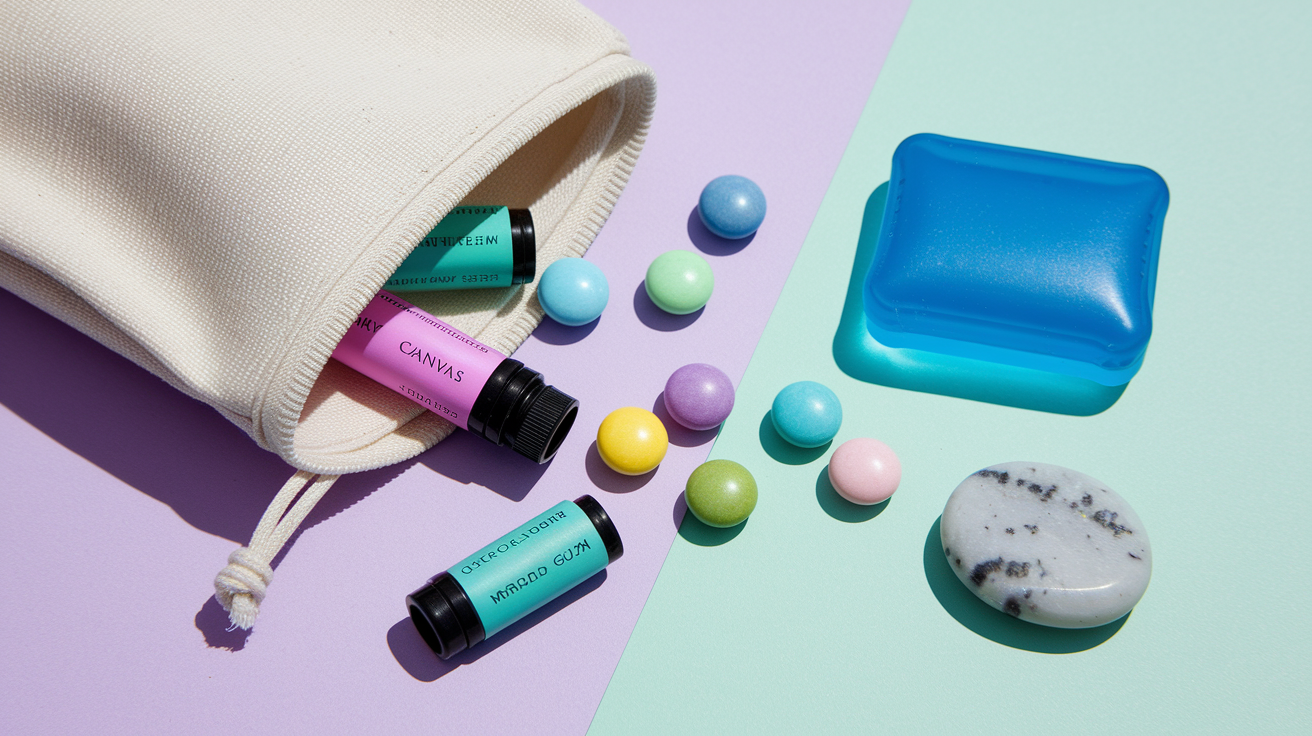
Portable sensory tools give you something concrete to reach for when anxiety hits in public, at work, or anywhere you can’t lie down and do a full breathing exercise. These items work by overriding panic signals with a strong, grounding sensation.
Keep a few of these in your bag, car, or desk drawer:
Strong scents. Lavender, chamomile, rose, ylang-ylang, or citrus essential oils. You can use a small roller bottle, a car air freshener, or even strongly scented ChapStick. Take a slow sniff and focus only on the smell.
Gum. Chewing gum steadies your focus, keeps blood flowing to your brain, and gives your body a simple, repetitive task. Pick a strong mint or cinnamon flavor for extra sensory input.
Sour candy. A very sour candy or mint triggers a sharp taste response that pulls your attention away from spiraling thoughts. Warheads, lemon drops, or strong mints work well.
Cold pack. A small gel ice pack or a frozen water bottle you can hold against your wrists, neck, or forehead. The cold sensation interrupts the heat and tension that often come with panic.
You don’t need all of these. Pick one or two that sound doable and keep them accessible. The goal is fast sensory grounding, not perfection.
Mental Strategies to Regain Control During Sudden Anxiety

Panic feeds on catastrophic thoughts: “I’m dying,” “I can’t handle this,” “Something is terribly wrong.” These thoughts feel true in the moment, but they’re not facts. Mental strategies help you step back from the spiral and talk yourself down without dismissing what you’re feeling.
Reassuring Phrases
Short, specific statements can interrupt the loop. Write these down or say them aloud:
“This will pass.”
“I’m having a panic attack, not a heart attack.”
“I’m safe right now.”
“I can get through this.”
“Breathe in, breathe out.”
You’re not trying to convince yourself everything is fine. You’re reminding yourself that this feeling is temporary and that you’ve survived it before. Keep the phrases short and repeat them as many times as you need.
Visualization Steps
Close your eyes and picture a place where you feel completely safe: your bed, a quiet park, a friend’s living room, a favorite hiking trail. Imagine every detail: what you see, what you hear, what the air smells like, how your body feels in that space. Stay there in your mind for 2 to 3 minutes, breathing slowly.
Reframing doesn’t mean pretending the anxiety isn’t real. It means recognizing that the thoughts driving the panic are predictions, not facts. Your brain is doing its job by scanning for danger, but in this moment, you can choose to acknowledge the alarm without obeying it. That small shift, repeated over time, weakens the panic loop.
Creating a Simple Emergency Anxiety Toolkit
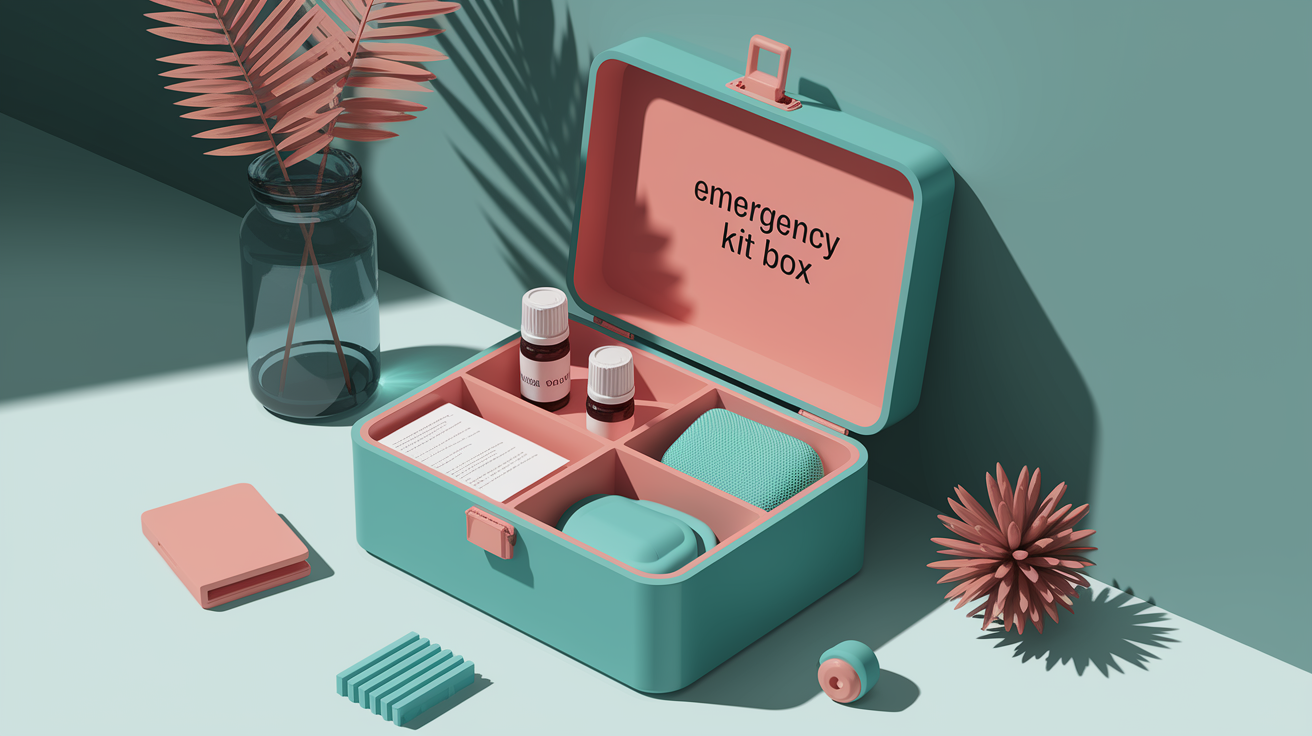
An emergency toolkit is a small collection of items and written reminders that you keep in your bag, car, or desk so you can act fast when anxiety surges. The goal isn’t to carry everything, just a few tools that work for you.
Having a toolkit removes decision-making from the moment. When panic hits, you don’t have to remember what helps. You just open the kit and use what’s there.
Here’s what to include:
A strong-smelling item. Essential oil roller, car freshener, scented lotion, or ChapStick.
A cold pack or frozen gel pack. Wrap it in a small towel or cloth and keep it in a cooler bag or office freezer.
Written calming scripts. A small index card or note in your phone with reassuring phrases like “You’re OK. Just breathe and this will pass.”
A grounding checklist. A one-page printout or phone note with your go-to techniques: box breathing steps, 5-4-3-2-1 grounding, or a short affirmation.
A small tactile object. A smooth stone, a textured keychain, or a soft fabric scrap you can rub between your fingers.
Build your kit during a calm moment, not during a crisis. Test each item once to make sure it actually helps. Then keep the kit accessible so you can grab it in under 10 seconds.
Identifying Triggers and Preventing Future Sudden Anxiety Episodes
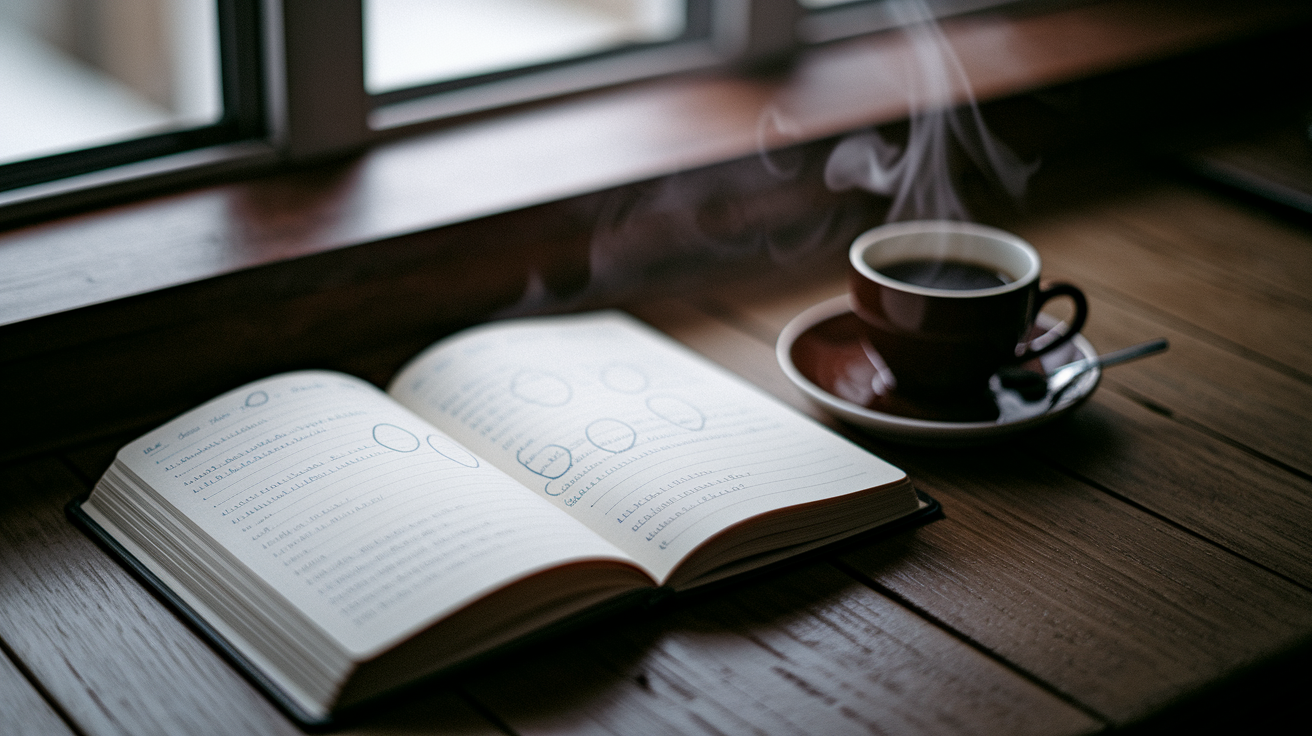
Sudden anxiety often feels random, but most episodes have patterns. Identifying your triggers helps you prepare, reduce frequency, and choose better long-term strategies. A trigger isn’t something to avoid forever. It’s information that helps you understand your nervous system.
Common triggers include:
High stress or sudden life changes. Work deadlines, relationship conflict, financial pressure, moving, or grief.
Past trauma. Reminders of a previous frightening or painful event, even if you’re not consciously thinking about it.
Caffeine or stimulants. High doses of coffee, energy drinks, or certain medications can mimic or worsen panic symptoms.
Crowded, unfamiliar, or enclosed spaces. Subways, elevators, large gatherings, or places where you feel trapped or unable to leave quickly.
Long-Term Routines That Build Resilience
Short-term techniques stop an attack in progress. Long-term habits reduce how often attacks happen and how intense they feel when they do.
Aim for at least 30 minutes of moderate physical activity on most days. Walking, cycling, swimming, yoga, or even dancing all lower baseline cortisol and adrenaline levels. Regular movement teaches your body that it can handle a fast heart rate without danger.
Practice mindfulness or meditation for 5 to 10 minutes daily. This trains your brain to notice anxious thoughts without immediately reacting to them. Over time, you build a small gap between the trigger and the spiral.
Get adequate sleep, eat regular meals, and stay hydrated. Sleep deprivation and blood sugar crashes both increase anxiety sensitivity. Limit caffeine to one cup in the morning if you notice it makes your heart race or your hands shake.
Track your triggers and your responses. Write down when anxiety spikes, what was happening before it started, and which techniques helped. Over a few weeks, patterns will emerge that help you and your doctor or therapist build a more targeted plan.
Final Words
You’ve got quick, practical options to use right now: short breath counts (4-7-8, box), 5-4-3-2-1 or triangle grounding, a cold splash or textured object, muscle-release moves, calming phrases, and small sensory items.
Pick one technique to try in the moment, assemble a tiny emergency kit, and note patterns like sleep, caffeine, or crowded places so you can prevent future episodes.
Practicing these steps and tracking progress helps you learn how to calm down during sudden anxiety and feel more in control over time. You can do this.
FAQ
Q: How to manage anxiety in the moment?
A: Managing anxiety in the moment means using quick grounding and breathing tools to slow your body and mind. Try 4-7-8 breathing, name five things around you, sip water, or place cold on your wrists.
Q: How to self soothe anxiety?
A: Self-soothing anxiety means calming your nervous system with gentle sensory and mental moves you can do alone: steady belly breaths, a warm drink, soft touch to your arm, a familiar scent, or chewing gum.
Q: How much anxiety is normal?
A: Some anxiety is normal and helps you notice problems. It’s a reason to get help when it’s frequent, very intense, lasts weeks, interferes with daily life, or causes panic episodes.
Q: How to calm anxiety that comes out of nowhere?
A: Calming anxiety that comes out of nowhere starts by pausing and using a fast anchor: slow counted breaths, name three nearby objects, hold cold water, repeat a calm phrase, and note when it happened.
Comments are closed